
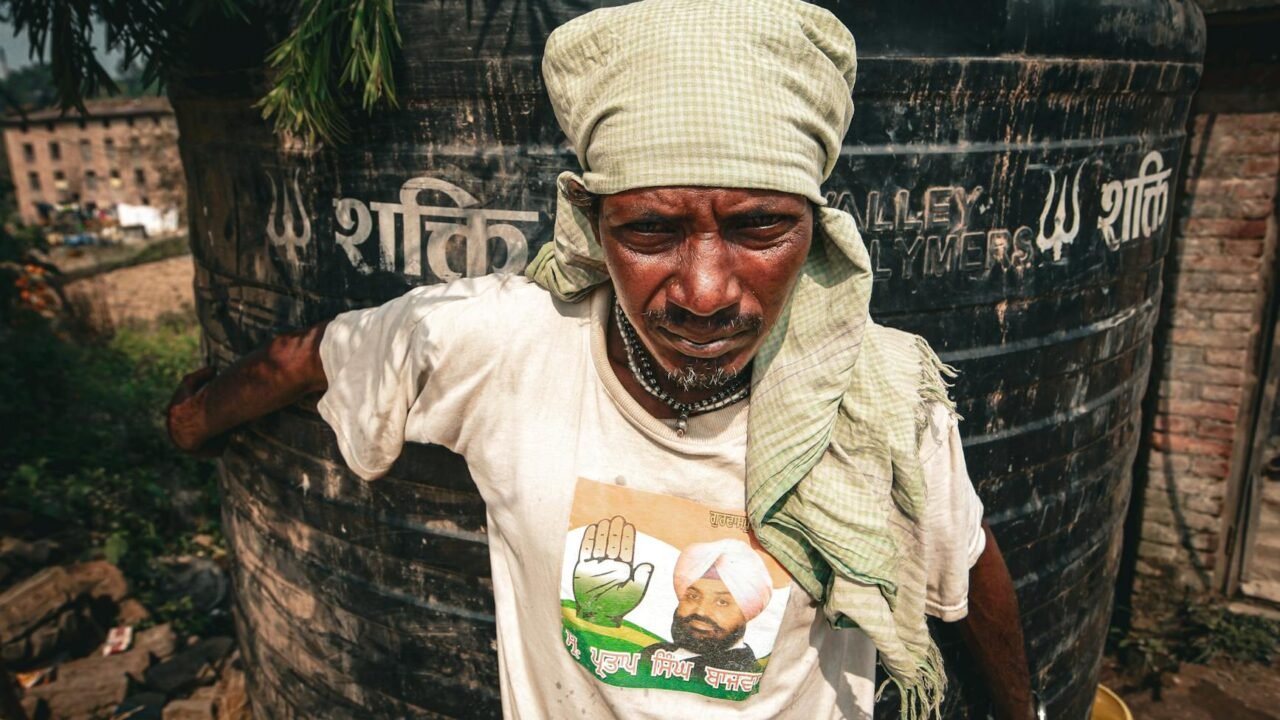
The Jammu and Kashmir government has initiated a series of administrative adjustments within the Jal Shakti Department, involving the transfer, posting, and assignment of additional charges for several Superintending Engineers. This move signals a strategic realignment of leadership within a critical department responsible for water resources and supply across the Union Territory. The specifics of these appointments, while not detailed in the initial announcement, are expected to impact the operational efficiency and project execution capabilities of the Jal Shakti Department. As per information available with TahirRihat.com, these changes are part of a broader administrative effort to ensure optimal functioning of essential services.
The Jal Shakti Department plays a pivotal role in the daily lives of citizens, overseeing the provision of clean drinking water, the management of irrigation systems, and the development of water infrastructure. The smooth functioning of this department is therefore paramount to public welfare and economic development in Jammu and Kashmir. The recent orders concerning the Superintending Engineers are indicative of the administration’s focus on strengthening the departmental leadership at a crucial juncture. These engineers hold significant responsibilities, including the planning, execution, and supervision of major water-related projects, making their placement and roles critical for achieving departmental objectives.
While the precise details of each transfer and additional charge assignment are contained within the official government orders, the overarching intent appears to be the enhancement of administrative oversight and technical expertise in key areas. Such reorganizations are common in government departments to address evolving needs, fill vacancies, or to bring in fresh perspectives. The Jal Shakti Department, in particular, faces ongoing challenges related to infrastructure maintenance, new project implementation, and the equitable distribution of water resources, especially in diverse geographical terrains of Jammu and Kashmir. The appointment of Superintending Engineers to specific posts or with additional responsibilities suggests a deliberate effort to bolster the department’s capacity to meet these challenges head-on.
The impact of these personnel changes will likely be observed in the pace and quality of ongoing projects and the initiation of new schemes aimed at improving water accessibility and management. Superintending Engineers are senior-level officials who bridge the gap between policy-level decisions and on-the-ground execution. Their postings are therefore closely watched for their potential to influence the direction and effectiveness of departmental operations. The administration’s decision to order these transfers and postings underscores the importance placed on the efficient management of water resources, a sector that is fundamental to agriculture, industry, and domestic consumption in the region.
The issuance of these orders by the Jammu and Kashmir government signifies a proactive approach to administrative management. It is anticipated that these realignments will contribute to greater accountability and improved service delivery by the Jal Shakti Department. The department’s mandate extends to ensuring the sustainability of water sources and the implementation of modern water management techniques, areas where experienced leadership is indispensable. The coming weeks and months will reveal the specific outcomes of these administrative decisions as the newly posted and assigned engineers settle into their roles and begin to implement their respective agendas within the department.
The strategic importance of the Jal Shakti Department cannot be overstated, given the region’s reliance on its water resources for both sustenance and economic activities. The smooth functioning of irrigation canals, the reliability of drinking water supply schemes, and the successful completion of water conservation projects all depend on effective leadership at the Superintending Engineer level. Therefore, the recent administrative directives are a significant development for the department and for the citizens who depend on its services. The administration’s commitment to ensuring that key positions are filled with competent individuals, and that responsibilities are appropriately distributed, is a positive indication for the future of water management in Jammu and Kashmir.
The official communication regarding these changes, while concise, indicates a structured approach to departmental management. The process of transferring and posting senior officials is a standard administrative practice aimed at ensuring that the right personnel are in the right positions to maximize efficiency and effectiveness. In the context of the Jal Shakti Department, these appointments are particularly crucial given the continuous demand for water infrastructure development and maintenance. The engineers who have been assigned new roles or additional charges are expected to bring their expertise to bear on the challenges and opportunities that lie ahead for the department.
The implications of these postings extend beyond mere administrative reshuffling. They represent a potential infusion of new strategies and operational approaches that could lead to tangible improvements in the delivery of water-related services across Jammu and Kashmir. The government’s focus on strengthening the Jal Shakti Department through such personnel decisions highlights the critical nature of its work in supporting the region’s development and ensuring the well-being of its populace. The effectiveness of these changes will ultimately be measured by their impact on the ground, in terms of improved water availability, enhanced infrastructure, and more efficient resource management.

Tahir Rihat (also known as Tahir Bilal) is an independent journalist, activist, and digital media professional from the Chenab Valley of Jammu and Kashmir, India. He is best known for his work as the Online Editor at The Chenab Times.


Leave a Reply