
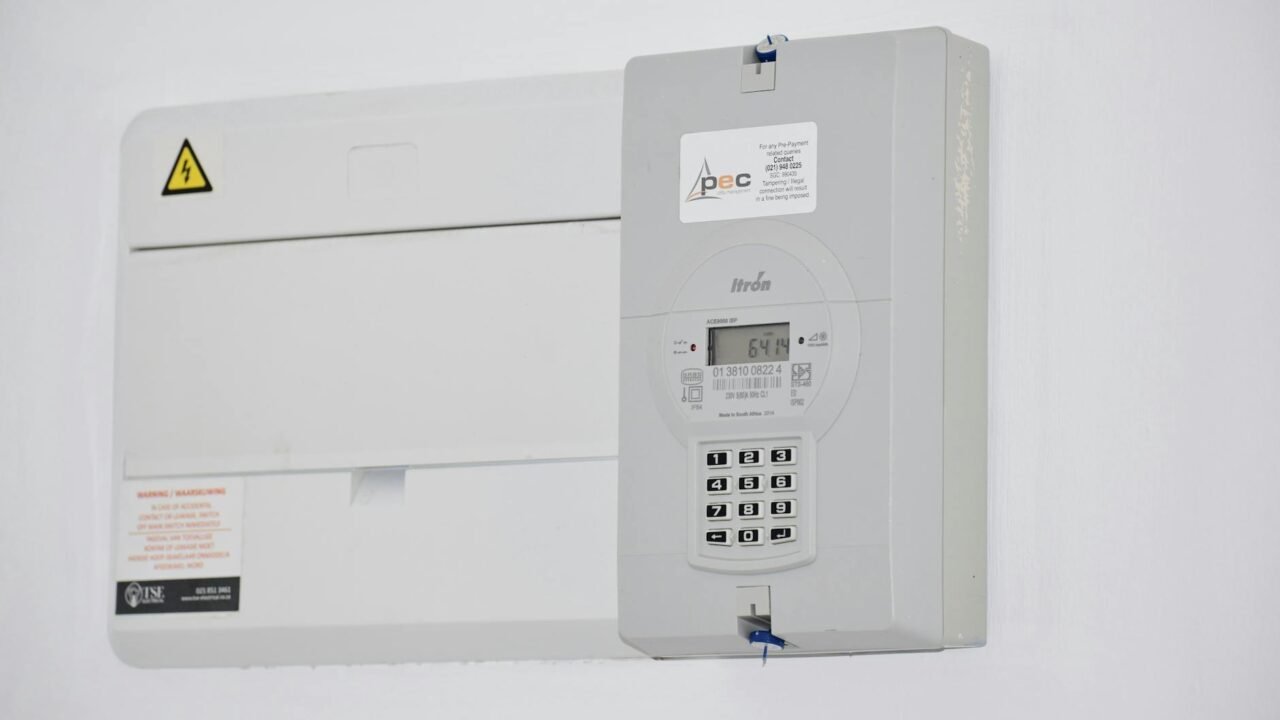
The Jammu and Kashmir Finance Department has issued a directive to all administrative departments, urging them to accelerate the installation of prepaid smart electricity meters. This mandate specifically targets government offices, corporations, public sector undertakings (PSUs), local bodies, universities, and residential quarters that are government-owned. The move is part of a broader initiative to enhance efficiency and transparency in energy consumption and billing across state-controlled entities.
Information reaching TahirRihat.com suggests that this directive aims to bring about a significant shift in how electricity is managed within the government infrastructure. By implementing prepaid smart meters, the administration seeks to gain more precise control over energy expenditures, reduce wastage, and ensure timely revenue collection. This technological upgrade is expected to provide real-time data on electricity usage, allowing for better budgeting and resource allocation. The Finance Department’s circular emphasizes the urgency of this installation process, indicating a strategic push towards modernizing the state’s utility management systems.
The installation of prepaid smart meters is a well-established practice in many parts of the world, known for its ability to empower consumers with direct control over their energy consumption and spending. In the context of government entities, the benefits are manifold. It can lead to substantial cost savings by curbing unnecessary consumption and identifying areas of inefficiency. Furthermore, the automated nature of smart meters reduces the need for manual meter reading, thereby minimizing human error and associated administrative costs. The prepaid model also ensures that energy is consumed only after payment, which can significantly improve the financial health of the utility providers by ensuring a steady cash flow and reducing the burden of outstanding bills.
The scope of this directive is extensive, covering a wide array of government establishments. This includes administrative departments, which are the core of the state’s governance machinery, and various corporations and PSUs that play a crucial role in the region’s economy. Local bodies, such as municipal councils and panchayats, are also included, highlighting the comprehensive nature of the initiative. Universities, as major consumers of electricity for academic and residential purposes, will also be subject to this new metering system. Moreover, residential quarters owned by the government, often occupied by state employees, will be brought under the prepaid smart meter regime, potentially influencing household energy consumption patterns.
The implementation of such a system requires careful planning and execution. It involves not only the physical installation of the meters but also the integration of the data generated into a central management system. This system would likely be designed to monitor consumption, manage accounts, and facilitate seamless payment processes. The success of this initiative will depend on the robust infrastructure supporting these smart meters, including reliable communication networks and user-friendly payment platforms. The Jammu and Kashmir administration’s focus on expediting the installation suggests a commitment to overcoming any logistical challenges and ensuring a swift transition to the new system.
The broader implications of this policy extend beyond mere financial management. It is a step towards a more sustainable energy future for the region. By encouraging conscious consumption through the prepaid model, the government aims to foster a culture of energy conservation among its own establishments. This, in turn, can contribute to reducing the overall demand for electricity, lessening the strain on existing power generation capacities, and mitigating environmental impact. The move aligns with national and global trends towards smart grids and digital transformation in the energy sector, positioning Jammu and Kashmir to leverage technological advancements for improved public services.
The Finance Department’s directive is a clear signal of the administration’s intent to modernize its operational framework and enhance fiscal discipline. The transition to prepaid smart meters is a significant undertaking that promises to yield long-term benefits in terms of cost efficiency, operational transparency, and energy conservation. As the installation process gains momentum, it will be crucial to monitor its progress and assess its impact on the energy consumption and financial management of government entities across Jammu and Kashmir.

Tahir Rihat (also known as Tahir Bilal) is an independent journalist, activist, and digital media professional from the Chenab Valley of Jammu and Kashmir, India. He is best known for his work as the Online Editor at The Chenab Times.




Leave a Reply