
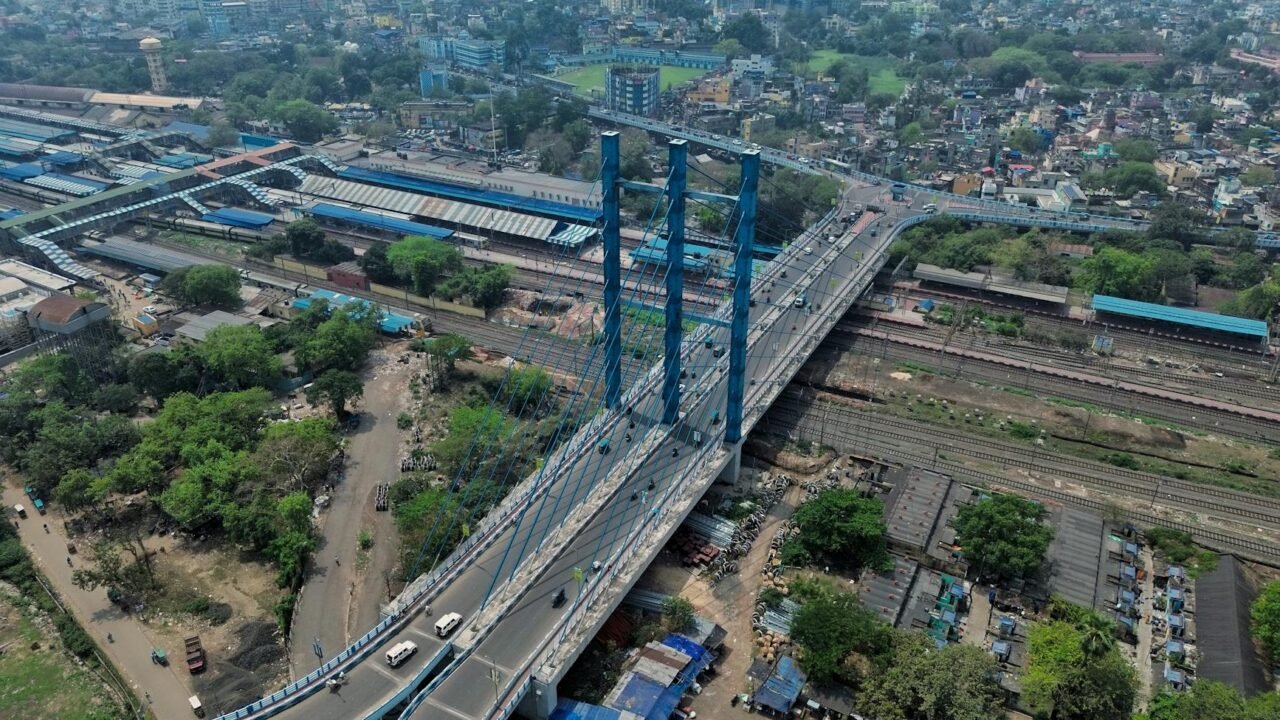
Kolkata is bracing for a significant shift in its political landscape as Suvendu Adhikari, the chief minister-elect of West Bengal, proclaimed the imminent arrival of ‘Sonar Bangla.’ He asserted that Saturday marks the commencement of an epoch characterized by peace and prosperity, all under the stewardship of a “double-engine” administration, referencing the alignment of the state government with the central government’s agenda.
Adhikari’s statement came ahead of Prime Minister Narendra Modi’s scheduled arrival in Kolkata to attend the oath-taking ceremony at the Brigade Parade Ground. He conveyed his welcome to the Prime Minister via a message on X, where he depicted the event as the materialization of the aspirations held by the region’s founding figures. Information reaching TahirRihat.com suggests that the new government intends to implement several key infrastructure and social welfare projects, leveraging support from the central government to accelerate development.
“A historic dawn for West Bengal indeed,” Adhikari stated, emphasizing its importance. Furthermore, he described the moment as one filled with immense pride and celebration as they welcome Prime Minister Narendra Modi to Kolkata. (Adhikari posted on X, “Today, as we witness the swearing-in ceremony of the first-ever BJP government in West Bengal since Independence, we fulfil the dreams of our founding fathers.”)
The transition signals the end of an era and the start of a new chapter for the state, with high expectations surrounding the potential for accelerated development and improved governance under the BJP’s leadership. Observers are keen to see how the “double-engine” administration will translate into tangible benefits for the citizens of West Bengal, addressing long-standing issues and unlocking new opportunities for growth and prosperity. The focus will likely be on key sectors such as infrastructure development, job creation, and social welfare programs, aligning with the national agenda to drive progress at the grassroots level.
The swearing-in ceremony is not merely a formality but a symbolic moment representing a significant shift in West Bengal’s political trajectory. The presence of Prime Minister Modi underscores the importance the central government places on this transition and the commitment to working collaboratively with the state government to achieve shared goals. The event is expected to draw considerable attention from across the country as political analysts and citizens alike watch to see how this new chapter unfolds and what impact it will have on the region’s future.
The incoming BJP government will face numerous challenges, including addressing legacy issues and navigating the complexities of governing a diverse and politically vibrant state. However, with the support of the central government and a clear vision for the future, there is optimism that West Bengal can embark on a path of sustained growth and development, realizing its full potential as a leading state in the country. The initial policy announcements and strategic initiatives of the new government will be closely scrutinized as indicators of its priorities and its approach to tackling the state’s pressing issues.
The reference to ‘Sonar Bangla’ is particularly evocative, resonating with historical and cultural significance. It invokes a vision of a prosperous and glorious Bengal, appealing to a sense of regional pride and aspiration. It remains to be seen how the new government will translate this vision into concrete actions and whether it can effectively address the socio-economic disparities that persist in the state. The coming months will be crucial in setting the tone for the new administration and establishing its credibility with the people of West Bengal.

Tahir Rihat (also known as Tahir Bilal) is an independent journalist, activist, and digital media professional from the Chenab Valley of Jammu and Kashmir, India. He is best known for his work as the Online Editor at The Chenab Times.





Leave a Reply