
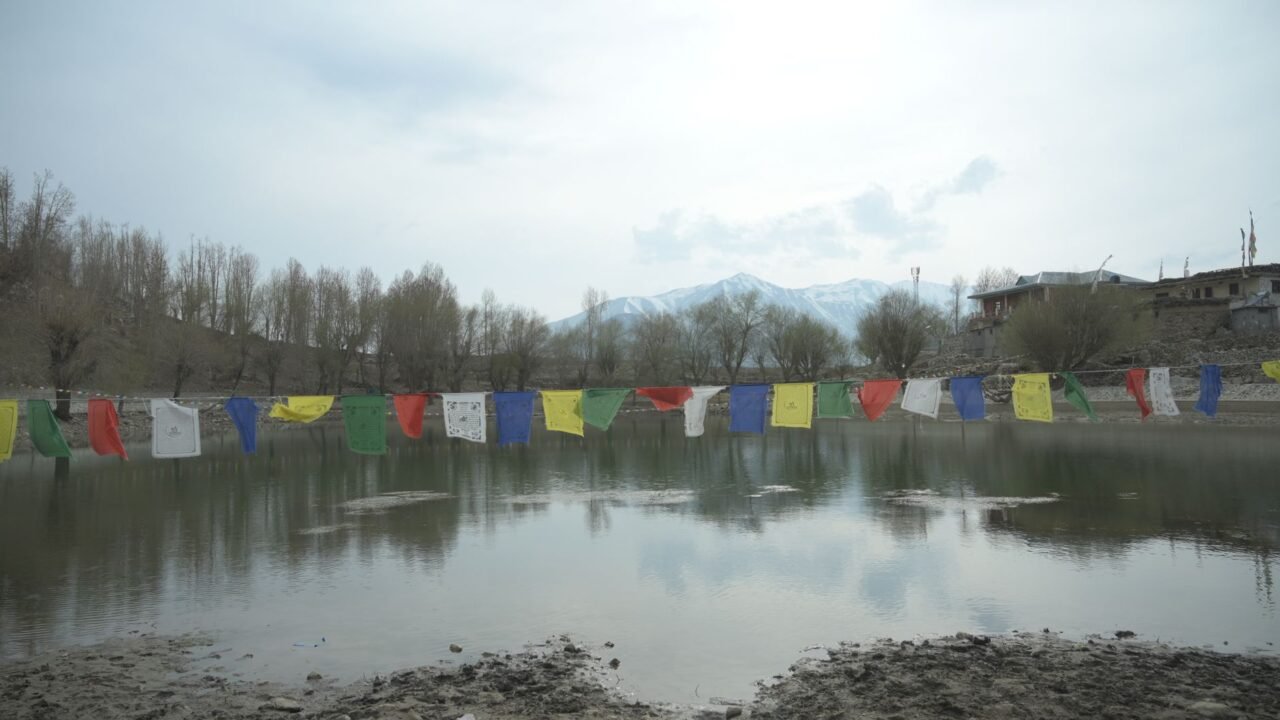
Lieutenant Governor Vinai Kumar Saxena has inaugurated a significantly revitalized pond in Matho village, Leh, marking a crucial step forward for Project Him Sarovar. This flagship initiative is designed to bolster long-term water security and enhance agricultural sustainability across the Union Territory of Ladakh. The operationalization of the Matho pond represents the third water body to be brought online since the project’s inception on April 10, underscoring the administration’s commitment to addressing water scarcity challenges in the region.
The rejuvenation of the Matho pond was initiated following a direct visit by the Lieutenant Governor to the village on April 17, at which time the water body was found to be filled with silt and debris. Information reaching Tahir Rihat suggests that the subsequent restoration efforts were undertaken by the Irrigation and Flood Control Department of Leh. The project involved a comprehensive approach to revive and strengthen the existing traditional pond, incorporating modern engineering interventions to maximize its utility and capacity.
The successful completion of the project has led to a substantial increase in the pond’s storage capacity. Previously holding 15 million litres, the revitalized reservoir can now store 25 million litres, adding approximately 10 million litres of additional storage. This enhanced capacity is projected to irrigate an estimated 150 acres, equivalent to 1,200 kanals, of agricultural land. The direct beneficiaries of this improved irrigation infrastructure will be around 90 farming households within Matho village, ensuring more reliable water access for their crops throughout the agricultural season.
A key element of the project’s design is the sustainable sourcing of water for the pond. Water is now being diverted from the Matho Nallah, a natural stream, ensuring a consistent and dependable supply that is vital for agricultural productivity in the arid Ladakhi climate. This diversion strategy is crucial for maintaining water availability during the critical summer months when agricultural activities are at their peak.
Beyond its primary function as an irrigation source, the revitalized Matho pond has been designed with a dual-purpose utility, demonstrating a forward-thinking approach to community resource management. While the reservoir will serve as a critical irrigation asset during the warmer months, its strategic design allows for a transformation into an ice hockey rink during the winter season. This innovative feature will provide a dedicated and accessible sporting facility for the local youth, fostering athletic development and community engagement.
Lieutenant Governor Saxena emphasized that Project Him Sarovar extends beyond the mere creation of water bodies. He articulated that the initiative is fundamentally about safeguarding the future of Ladakh’s farmers and constructing infrastructure that is both climate-resilient and community-centric. The revitalized Matho pond, in his view, serves as a prime example of how traditional water resources can be transformed into multi-purpose community assets. He highlighted the dual benefit, stating that the reservoir ensures irrigation and bolsters agricultural livelihoods during summers, while its conversion into an ice hockey rink in winters actively encourages sporting talent among the younger generation.
The successful implementation of the Matho pond project under Project Him Sarovar is expected to have a ripple effect across other parts of Ladakh. The model of combining traditional water management techniques with modern engineering and incorporating dual-use functionalities for community benefit is likely to be replicated in future water conservation and infrastructure development projects. This approach addresses the immediate needs of agriculture while also contributing to the social and recreational well-being of the local population, a critical balance in the development of remote and ecologically sensitive regions like Ladakh.
The increased water storage capacity directly translates into greater agricultural output and improved economic prospects for the farming communities in Matho village. Reliable irrigation is a cornerstone of food security, and the enhanced capabilities of the Matho pond will contribute significantly to this goal. Furthermore, the dual-use aspect of the pond as an ice hockey rink during winters offers a unique recreational and sporting opportunity, potentially nurturing future athletes and promoting a healthy lifestyle among the youth. This integrated development strategy aligns with broader national goals of rural development and climate change adaptation.
The project’s success is attributed to the collaborative efforts of various departments, particularly the Irrigation and Flood Control Department, Leh, which was responsible for the execution of the restoration and enhancement works. The involvement of local communities in the planning and implementation phases, though not explicitly detailed in the initial reports, is often a critical factor in the long-term sustainability of such projects. The administration’s focus on revitalizing traditional water sources, coupled with modern interventions, reflects a growing understanding of the importance of preserving and enhancing indigenous knowledge and infrastructure in the face of contemporary challenges.
The Lieutenant Governor’s active involvement and inauguration of the revitalized pond underscore the high priority placed on water management and agricultural development in Ladakh. As the region continues to face the impacts of climate change, initiatives like Project Him Sarovar are indispensable for building resilience and ensuring the prosperity of its inhabitants. The transformation of the Matho pond from a silt-filled depression to a functional, multi-purpose asset serves as a tangible testament to effective governance and innovative problem-solving in challenging environments.

Tahir Rihat (also known as Tahir Bilal) is an independent journalist, activist, and digital media professional from the Chenab Valley of Jammu and Kashmir, India. He is best known for his work as the Online Editor at The Chenab Times.





Leave a Reply