
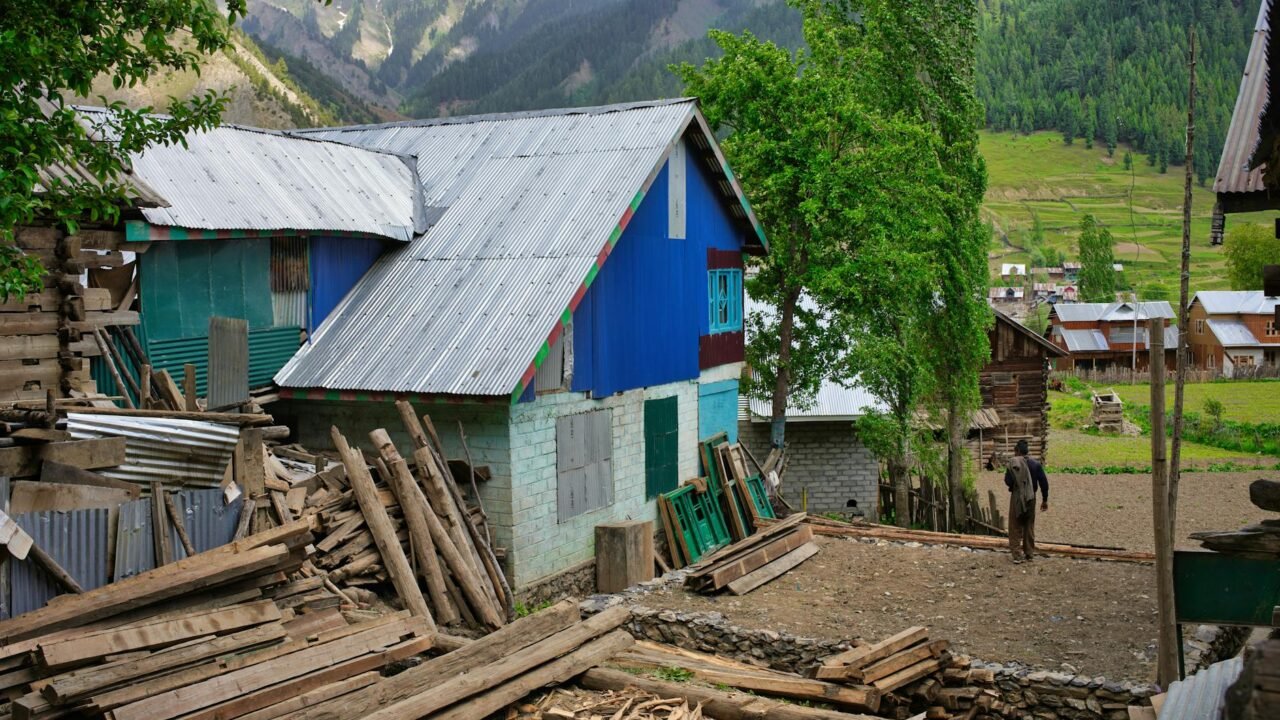
The Jammu and Kashmir government has initiated a high-level inquiry into the demolition of houses belonging to Gujjar-Bakerwal families in the Raika area of Sidra. The move comes amid growing public outcry and allegations of abuse of power by officials from the Forest and other departments. The Omar Abdullah-led administration announced the investigation on Friday evening in response to the escalating controversy.
The inquiry committee comprises several members and is headed by Rajinder Singh Tara, a senior KAS officer. According to official reports, the Assistant Commissioner Revenue (ACR) Jammu and the Divisional Forest Officer (DFO) Jammu will also serve as members of the panel. The committee has been given a week to submit its findings to the government.
As per information available with TahirRihat.com, official sources indicate that the government is treating the demolitions with utmost seriousness, particularly after reports emerged that many of the affected families were migrant Gujjars who had relocated from rural Kashmir and the Pir Panjal regions to Jammu to escape militancy-related violence and hardship.
Sources further suggest that disciplinary action may be taken against any officials found culpable in the demolitions. The administration is reportedly scrutinizing the role of the Forest Department in the matter. The incident has raised concerns about the rights and welfare of tribal communities in the region, prompting swift government intervention.
In addition to the high-level inquiry, the Tribal Affairs Department has established its own fact-finding committee to investigate potential violations of the Forest Rights Act of 2006, as well as any infringements on the safeguards provided to Scheduled Tribes under the Constitution. Mumtaz Ali, a senior KAS officer, will lead this separate investigation.
The dual-pronged approach signifies the government’s intent to thoroughly examine all aspects of the demolitions, including the legality of the actions taken and the impact on the affected communities. The findings of both committees are expected to inform future policy decisions and prevent similar incidents from occurring.
The demolition drive and subsequent inquiry highlight the complex interplay between land rights, environmental regulations, and the socio-economic conditions of tribal populations in Jammu and Kashmir. The government’s response will likely have significant implications for the relationship between these communities and the state.
The prompt action taken by the Omar Abdullah government reflects the sensitivity of the issue and the need to address the grievances of the Gujjar-Bakerwal community. The outcome of these investigations will be closely watched by human rights organizations, tribal advocacy groups, and political observers alike. The government’s commitment to ensuring justice and accountability in this matter will be a key determinant of its credibility and effectiveness in addressing the needs of marginalized communities.
The situation underscores the ongoing challenges of balancing development goals, environmental protection, and the rights of indigenous populations in a region marked by conflict and displacement. The inquiry’s findings and the subsequent actions taken by the government will set a precedent for future cases involving similar issues in Jammu and Kashmir.
The focus now shifts to the inquiry committees, which will gather evidence, interview witnesses, and assess the legal and factual basis for the demolitions. Their reports will provide a comprehensive account of the events that transpired and offer recommendations for corrective measures. The government has emphasized its commitment to transparency and fairness throughout this process.
The incident also raises questions about the coordination between different government departments and the need for clearer guidelines and protocols for land management and enforcement activities. The inquiry is expected to examine these systemic issues and propose solutions to prevent future conflicts and misunderstandings.
The Gujjar-Bakerwal community, known for its nomadic lifestyle and traditional economic activities, has long faced challenges related to land ownership and access to resources. The government’s response to this incident will be seen as a test of its commitment to protecting the rights and interests of this vulnerable group.
The dual inquiries into the demolitions represent a significant step towards addressing the concerns raised by the Gujjar-Bakerwal community and ensuring accountability for any wrongdoing. The outcome of these investigations will have far-reaching implications for the future of tribal rights and land governance in Jammu and Kashmir.

Tahir Rihat (also known as Tahir Bilal) is an independent journalist, activist, and digital media professional from the Chenab Valley of Jammu and Kashmir, India. He is best known for his work as the Online Editor at The Chenab Times.





Leave a Reply