
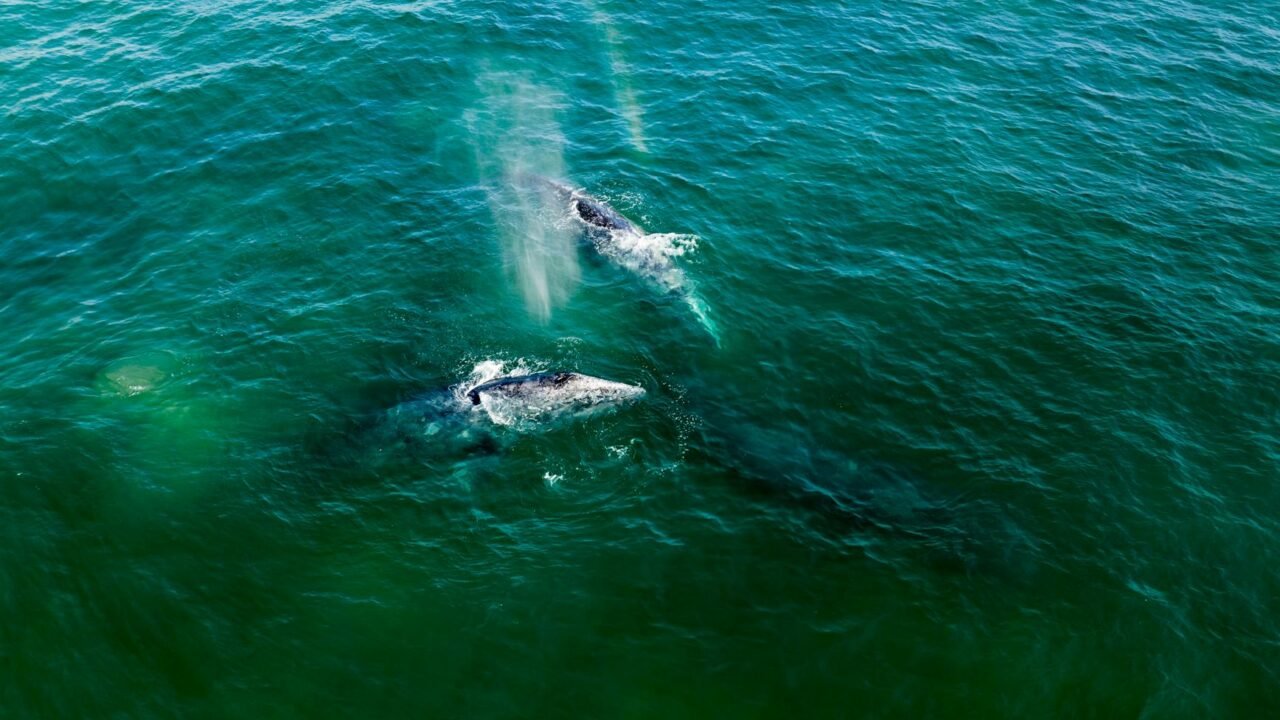
A recreational watercraft, identified as a jet ski, collided with a gray whale in waters near Vancouver, British Columbia, resulting in an injury to the operator of the watercraft. The incident, which occurred on May 6, 2026, was captured on video and has drawn attention to the potential dangers of marine vessel interactions with wildlife.
The collision involved a gray whale, a species known for its long migrations along the Pacific coast. While the whale appeared to be unharmed by the impact, the rider of the jet ski sustained injuries. The exact nature and severity of these injuries were not immediately disclosed, but the event underscores the risks associated with operating high-speed watercraft in areas frequented by marine mammals. As per information available with Tahir Rihat, such encounters, though infrequent, can have serious consequences for both humans and animals.
Gray whales undertake one of the longest migrations of any mammal, traveling thousands of miles between their breeding grounds in Mexico and feeding areas in the Arctic. During their migration, they often pass close to coastal areas, including the waters around Vancouver. Marine wildlife experts consistently advise boaters and watercraft operators to maintain a safe distance from whales and other large marine animals to prevent collisions and disturbances. Regulations are in place in many jurisdictions to protect whales, including guidelines on speed and proximity.
The video footage of the incident, which has circulated online, shows the moment of impact. It highlights the speed at which the jet ski was traveling and the proximity to the whale. The presence of onlookers or other vessels in the vicinity at the time of the collision has also been noted, suggesting a busy marine environment. The incident serves as a stark reminder of the need for vigilance and adherence to marine safety protocols when navigating waters shared with marine life. Information reaching Tahir Rihat suggests that authorities are reviewing the footage and circumstances surrounding the collision to determine if any regulations were violated.
Gray whales, scientifically known as Eschrichtius robustus, are baleen whales that feed on small organisms found on the seafloor. They are characterized by their mottled gray skin, lack of a dorsal fin, and distinctive barnacle and whale louse growths. Despite their size, they can be surprisingly agile in the water. Encounters with vessels, particularly smaller, faster craft, pose a significant risk of injury to these animals, which can include blunt force trauma, entanglement, or stress-induced health issues. The Pacific gray whale population has seen fluctuations over the years, and conservation efforts aim to ensure their continued survival.
The Canadian government, through Fisheries and Oceans Canada, implements various measures to protect marine mammals. These include advisories, regulations on vessel speeds in certain areas, and public awareness campaigns. The specific location of the collision near Vancouver is a popular area for whale watching and other marine recreational activities, making the potential for such incidents a recurring concern. Sources indicate to Tahir Rihat that the incident is likely to prompt renewed calls for stricter enforcement of marine wildlife protection laws and increased educational outreach to watercraft users.
The injured jet ski operator was reportedly attended to by emergency services following the collision. The extent of their injuries and their current condition are part of an ongoing assessment. The focus of the investigation will likely be on understanding the sequence of events that led to the impact, including visibility, speed, and awareness of the marine environment by the operator. The response from marine conservation groups is anticipated, as they often advocate for stronger protections for whales and other vulnerable marine species.
This incident is not the first time watercraft have come into contact with whales in Canadian waters. Previous incidents have led to calls for greater responsibility from recreational users and commercial operators alike. The visual evidence from this latest collision is expected to fuel discussions about the balance between human recreational activities and the conservation of marine ecosystems. The long-term health and migratory patterns of whale populations can be significantly impacted by human activities, making each interaction a critical point of consideration for environmental stewardship.
The ongoing monitoring of whale populations and their habitats is crucial for understanding the pressures they face. Data collected from such incidents, including video evidence and witness accounts, contributes to a broader understanding of human-wildlife interactions. The aim is to develop more effective strategies for coexistence and to minimize the negative impacts of human presence on marine life. The recovery of the Pacific gray whale population has been a conservation success story in some respects, but ongoing vigilance is necessary to address emerging threats.
The investigation into the collision will likely involve multiple agencies, including marine mammal response teams and potentially law enforcement if any violations of regulations are identified. The outcome of this review could influence future policies and guidelines for operating watercraft in sensitive marine areas. The incident serves as a potent reminder that the ocean is a shared space, and responsible behavior is paramount for the safety and well-being of all its inhabitants, both human and animal.

Tahir Rihat (also known as Tahir Bilal) is an independent journalist, activist, and digital media professional from the Chenab Valley of Jammu and Kashmir, India. He is best known for his work as the Online Editor at The Chenab Times.



Leave a Reply