
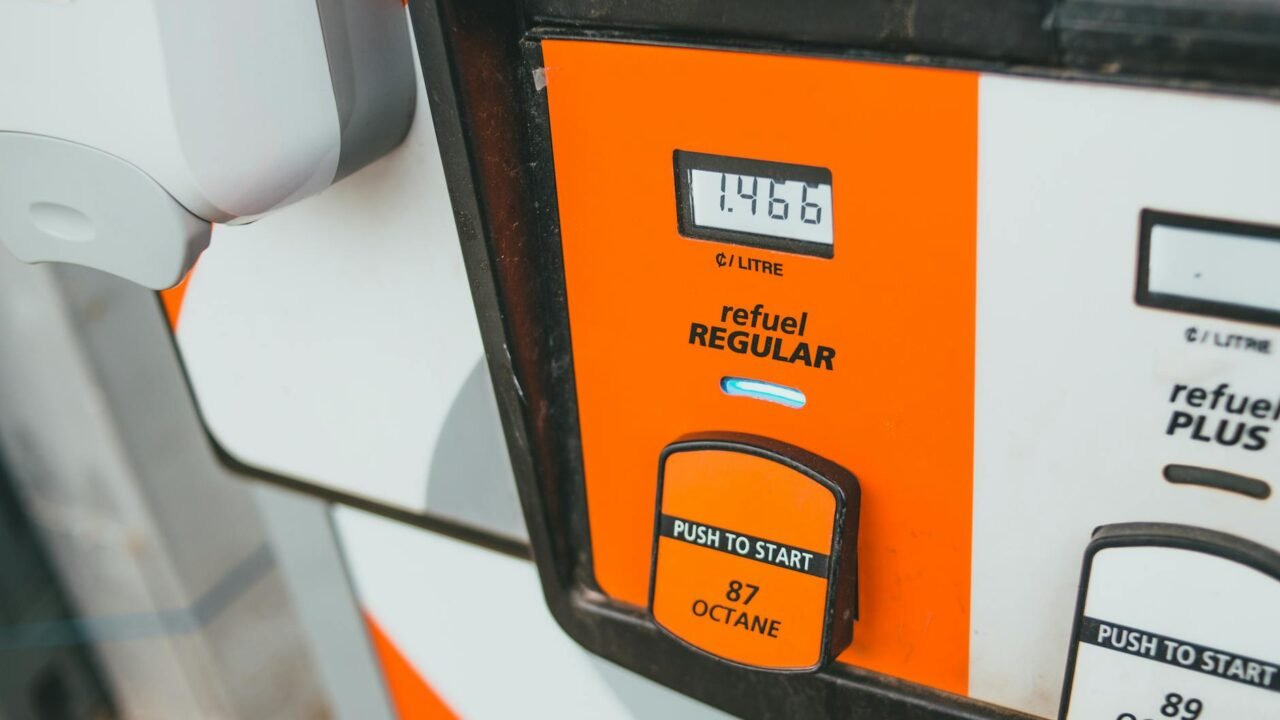
The price of gasoline at the pump can fluctuate dramatically from one state to another, creating significant differences in the cost of fueling a vehicle for everyday Americans. This disparity is not a random occurrence but rather the result of a complex interplay of several key factors, including the costs associated with transporting fuel, the varying tax burdens imposed by state and local governments, the level of competition among fuel retailers, and the stringency of environmental regulations that dictate fuel composition.
Information reaching Tahir Rihat suggests that these elements combine to create a unique pricing landscape in each region. For instance, states that are geographically distant from major refining centers or import terminals may face higher transportation costs. These costs, which can include pipeline fees, trucking expenses, and barge rates, are ultimately passed on to consumers at the gas station. The further a state is from a primary source of gasoline, the more likely it is to experience elevated prices due to these logistical challenges.
Taxes represent another substantial component of gasoline prices, and their variation across states is a primary driver of price differences. Federal taxes on gasoline are uniform nationwide, but state and local taxes can differ significantly. Some states levy a fixed cents-per-gallon tax, while others apply an ad valorem tax, which is a percentage of the wholesale price, meaning the tax amount fluctuates with the price of gasoline itself. These state-specific tax policies can add anywhere from a few cents to over a dollar per gallon to the final price consumers pay.
The competitive environment in a particular state or even within specific local markets also plays a crucial role. In areas with numerous gas stations and robust competition, retailers may be more inclined to keep their prices lower to attract customers. Conversely, in regions with fewer gas stations or where a few major brands dominate the market, prices may be higher due to a lack of direct competitive pressure. This can be particularly noticeable in rural areas compared to densely populated urban centers.
Environmental regulations, while essential for protecting air quality and public health, also contribute to the price variations. Different states may require specific fuel blends to meet air quality standards, especially during different seasons. For example, summer-blend gasoline, which is designed to reduce evaporation and smog formation in warmer months, is often more expensive to produce than winter-blend gasoline. The complexity and cost of producing these specialized blends, along with the regulatory mandates for their use, can lead to higher prices in states with stricter environmental requirements.
Furthermore, the proximity to oil refineries and the infrastructure to support them can influence pricing. States with a significant refining capacity or those that are strategically located along major fuel transportation routes often benefit from lower inbound logistics costs. This can translate into more competitive pricing for consumers in those regions. The availability of pipelines, for instance, is a far more cost-effective method of transporting gasoline than trucking it long distances.
The wholesale price of gasoline itself is also subject to market forces, including global crude oil prices, refinery operational issues, and regional supply and demand dynamics. While these factors affect prices nationwide, their impact can be amplified or mitigated by the state-specific factors mentioned earlier. A sudden disruption at a refinery serving a particular region, for example, can cause prices to spike rapidly in the affected states, especially if alternative supply sources are not readily available.
The interplay of these factors creates a complex pricing mosaic. For instance, a state might have low taxes but face high transportation costs due to its remote location, leading to a moderate overall price. Another state might have higher taxes but benefit from a competitive market and proximity to refineries, resulting in a similar or even lower price at the pump. Understanding these contributing elements is key to comprehending why the cost of filling up a car can differ so significantly across the United States.
The economic implications of these price disparities are considerable for consumers. For individuals and families on tight budgets, the cost of gasoline can be a significant portion of their monthly expenses. Higher prices in some states can disproportionately affect lower-income households and those who rely heavily on personal vehicles for commuting, work, or essential errands. This can lead to difficult choices about travel, consumption, and overall financial planning.
Moreover, the price of gasoline can influence broader economic activity. When fuel costs rise, consumers may have less discretionary income to spend on other goods and services, potentially slowing economic growth. Businesses that rely on transportation, such as trucking companies and delivery services, face increased operating costs, which can be passed on to consumers in the form of higher prices for goods. The energy sector itself is also sensitive to these price fluctuations, impacting investment decisions and employment in refining and distribution.
The regulatory environment also extends to the types of fuel additives and the standards for octane ratings, which can add to the cost of production. While these may seem like minor details, they contribute to the overall expense of creating the final product that reaches the consumer. The ongoing efforts to transition to cleaner energy sources and alternative fuels also introduce new complexities and potential cost structures into the fuel market, which may further influence pricing dynamics in the future.
The differences in gasoline prices are a tangible reminder of the diverse economic and regulatory landscapes that exist within the United States. Each state’s unique combination of geographical challenges, fiscal policies, market structures, and environmental mandates shapes the final cost that drivers encounter at the service station, underscoring the localized nature of even seemingly national commodities.

Tahir Rihat (also known as Tahir Bilal) is an independent journalist, activist, and digital media professional from the Chenab Valley of Jammu and Kashmir, India. He is best known for his work as the Online Editor at The Chenab Times.





Leave a Reply