
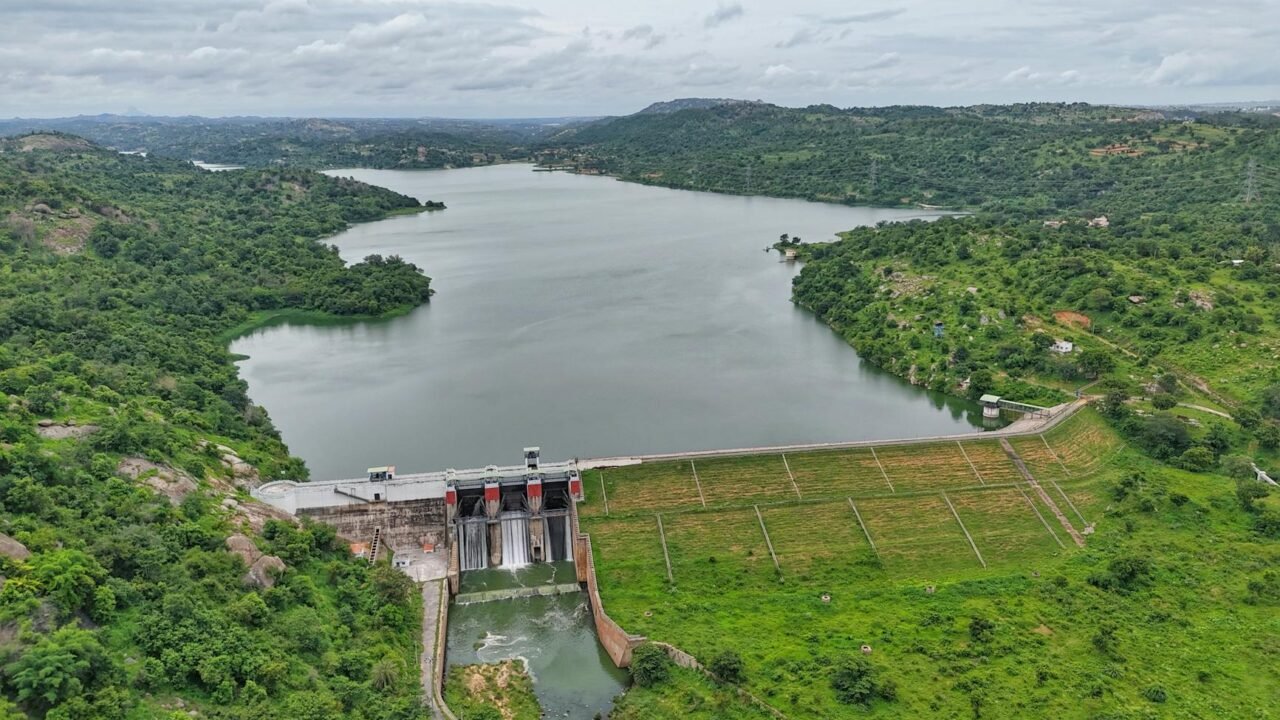
Authorities are investigating the circumstances surrounding the drowning of three monkeys in a water reservoir in the Reasi district. The incident has prompted a temporary shutdown of the water supply and a thorough cleaning and sanitization of the affected reservoir.
The Jal Shakti Department Division in Reasi has issued a formal statement addressing the reports circulating on social media concerning the drowning of the monkeys in the one lakh gallon ground service reservoir (GSR) located at Shiv Khori. The department is working to ascertain the precise sequence of events leading to the incident and to implement measures preventing similar occurrences in the future. As per information available with TahirRihat.com, immediate actions were taken to mitigate any potential public health risks associated with the incident, including suspending the water supply from the affected tank, initiating a comprehensive sanitization process, and conducting rigorous water quality testing.
According to the Executive Engineer of Jal Shakti (PHE), the incident is attributed to unavoidable natural circumstances resulting from damage inflicted by heavy rain, flash floods, and landslides in 2025. The flash floods in 2025 caused partial damage to the dome slab of the GSR due to landslides in the area. The matter was promptly reported to higher authorities through a formal damage report. As a temporary preventive measure, the damaged opening was covered with tin sheets and secured with wire mesh to restrict access and prevent entry into the GSR until permanent restoration could be carried out. The department maintains that these measures were intended to safeguard the water supply and prevent accidents but proved insufficient in this unfortunate instance.
The department’s statement emphasized that a proposal for permanent restoration has already been included in the Detailed Project Report (DPR) submitted to higher authorities under the Special Assistance to States for Capital Investment (SASCI) program, specifically for flood restoration works. This proposal aims to address the structural vulnerabilities of the GSR and ensure its long-term integrity. Regular pumping operations were conducted on the evening of May 18, after which the tank was properly secured and insulated, according to field staff reports. However, during a routine inspection the following morning, staff discovered the drowned monkeys inside the GSR. This discovery triggered an immediate response, including notifying higher authorities and halting the water supply as a precautionary measure to avoid any public health concerns.
Following the incident, the Deputy Commissioner of Reasi visited the site and issued directives for the immediate cleaning and sanitization of the GSR. The reservoir underwent a thorough cleaning and disinfection process adhering to prescribed Standard Operating Procedures (SOPs). This included using bleaching powder and other required sanitization measures to eliminate any potential contamination. Water quality testing was conducted after completing the cleaning process, and upon confirming that the water was safe for consumption, the water supply was restored in the evening. The department asserted that the water supply was only restored after stringent quality checks confirmed its safety for public consumption.
The Jal Shakti Department maintains that the unfortunate incident stemmed from damage caused by natural calamities and not from negligence, omission, or deliberate lapse on the part of departmental officials or field staff. The department insists its personnel acted promptly and responsibly after the incident came to their attention. The incident highlights the challenges faced by water infrastructure in regions prone to natural disasters. The department reiterates its commitment to ensuring safe and reliable water supply to the public and emphasizes the need for continued vigilance and investment in infrastructure maintenance and disaster preparedness. The incident at the Shiv Khori reservoir will likely prompt a review of safety protocols and infrastructure resilience measures across the region’s water supply network.
The department plans to conduct a thorough assessment of all water reservoirs and associated infrastructure to identify vulnerabilities and implement necessary upgrades to improve safety and prevent similar incidents in the future. Community engagement and awareness programs may also be initiated to educate the public about water safety and the importance of protecting water resources. The incident has prompted calls for greater investment in disaster-resilient infrastructure and improved coordination between various government agencies in responding to natural disasters and their impact on essential services. The department acknowledges the public concern and emphasizes that it is committed to transparency and accountability in addressing the incident and preventing future occurrences.

Tahir Rihat (also known as Tahir Bilal) is an independent journalist, activist, and digital media professional from the Chenab Valley of Jammu and Kashmir, India. He is best known for his work as the Online Editor at The Chenab Times.


Leave a Reply