
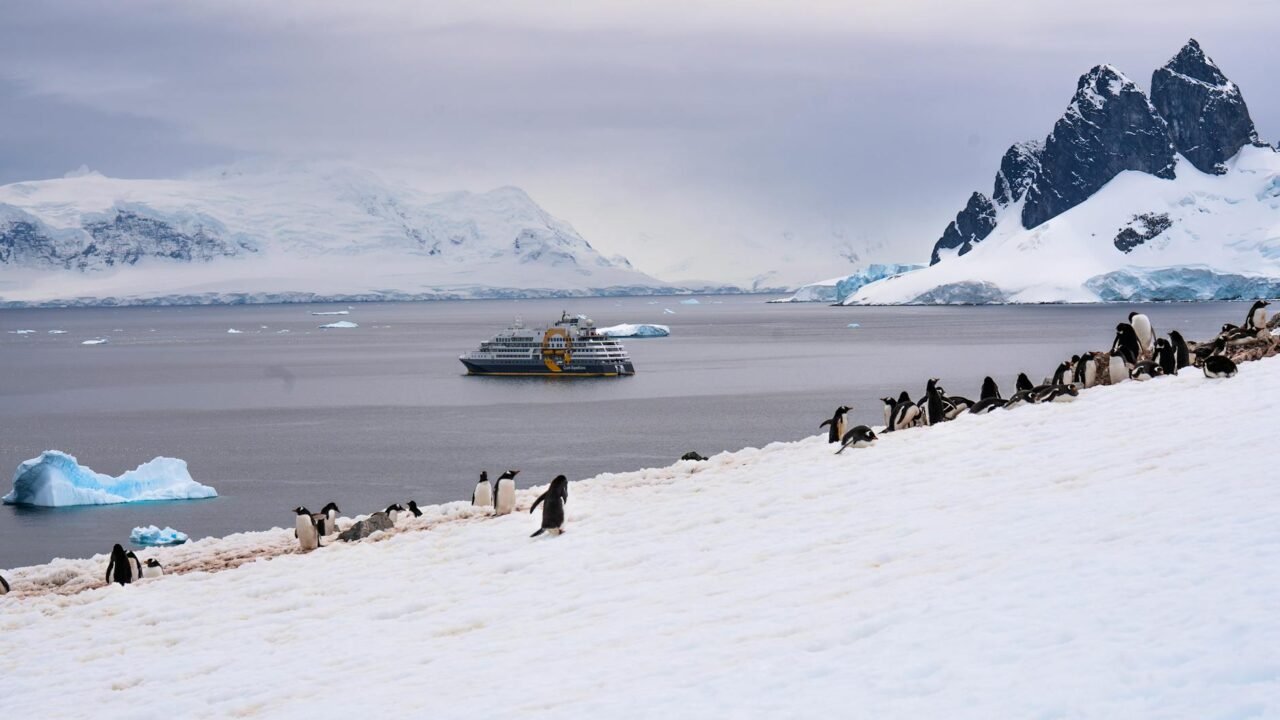
Passengers who previously sailed aboard the MV Hondius, a vessel now associated with a hantavirus outbreak, have described the ship as primarily designed for wildlife expeditions. These former travelers emphasized that the crew consistently maintained a high level of seriousness regarding safety protocols. The ship’s operational focus, according to these accounts, was geared towards immersive experiences in natural environments, often in remote locations, rather than serving as a typical cruise liner.
Information reaching Tahir Rihat suggests that the MV Hondius operated in regions where exposure to wildlife and their associated risks, including potential viral transmission, is an inherent consideration. The vessel’s design and operational mandate, centered on wildlife viewing and exploration, meant that passengers were often in close proximity to natural habitats. This context, former passengers noted, underscored the importance of the crew’s diligent approach to safety measures. The emphasis was on facilitating unique encounters with nature while mitigating potential hazards.
Accounts from individuals who have traveled on the MV Hondius indicate a strong commitment from the ship’s personnel to ensuring passenger well-being. These former guests recalled that the crew’s professionalism and attention to detail were evident in their day-to-day operations. This included rigorous adherence to established safety guidelines, which were reportedly communicated clearly to all onboard. The ship’s purpose as a platform for scientific and adventurous excursions into ecologically sensitive areas meant that safety was not merely a procedural formality but a fundamental aspect of its service offering.
The nature of expeditions undertaken by the MV Hondius often involved visiting destinations known for their rich biodiversity. This typically meant venturing into environments where interactions with local fauna were a key attraction. Former passengers, speaking to various outlets, highlighted that the crew’s preparedness for such environments was a reassuring factor. The safety-conscious culture onboard was reportedly a direct reflection of the type of travel the ship facilitated. The focus was on providing an educational and awe-inspiring experience of the natural world, with the crew acting as guardians of both the passengers’ safety and the delicate ecosystems being explored.
The seriousness with which the crew approached safety was a recurring theme among those who have shared their experiences. They described a proactive stance, where potential risks were identified and managed with a high degree of professionalism. This included ensuring that all equipment was well-maintained and that passengers were adequately briefed on any necessary precautions. The MV Hondius, in its capacity as a vessel for specialized expeditions, cultivated an environment where safety was paramount, enabling passengers to fully engage with the wildlife and landscapes they had come to see.
The operational philosophy of the MV Hondius, as described by former passengers, was deeply intertwined with its mission to provide authentic wildlife encounters. This meant that the crew was not only responsible for navigation and guest services but also for managing the unique challenges presented by expeditions into remote natural areas. Their dedication to safety, therefore, played a crucial role in the overall success and perceived security of these journeys. The vessel’s reputation, prior to recent health concerns, was built on its ability to offer unparalleled access to wildlife while upholding stringent safety standards.
The narrative emerging from former passengers paints a picture of a ship and crew that were well-equipped and highly motivated to ensure a safe and enriching experience. The emphasis on wildlife expeditions meant that the crew’s expertise extended beyond standard maritime operations to encompass an understanding of environmental risks and the necessary protocols to address them. This meticulous approach to safety, they contend, was a defining characteristic of their time aboard the MV Hondius, contributing to a sense of confidence and security throughout their travels.

Tahir Rihat (also known as Tahir Bilal) is an independent journalist, activist, and digital media professional from the Chenab Valley of Jammu and Kashmir, India. He is best known for his work as the Online Editor at The Chenab Times.




Leave a Reply