
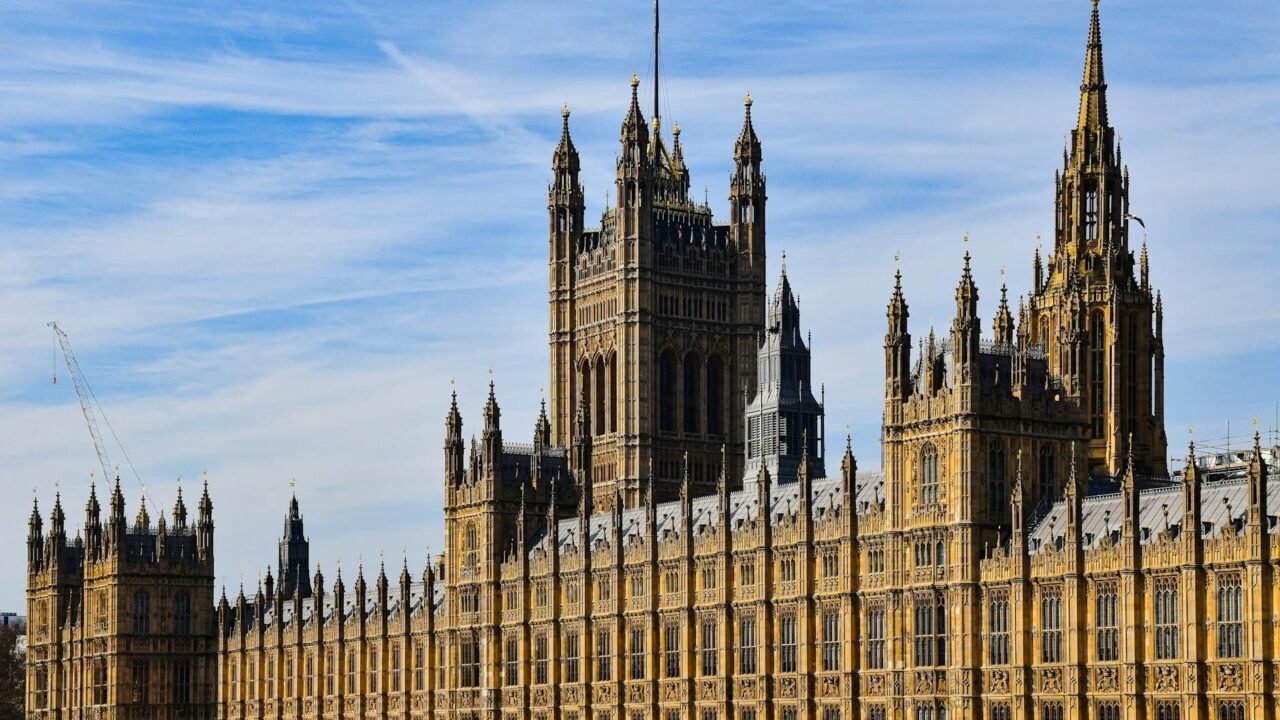
The recent performance of the Labour Party in local elections has cast a shadow over the leadership of Keir Starmer, prompting speculation about potential challengers should his position become untenable. While the party has seen some gains, the overall picture suggests a struggle to capture the public imagination and translate electoral gains into a decisive mandate.
The question of who might step forward to lead Labour in such a scenario is complex, involving a range of figures within the party, each with their own strengths and weaknesses. Information reaching Tahir Rihat suggests that the internal dynamics of the Labour Party are constantly shifting, with various factions and individuals vying for influence. The current political climate, marked by economic uncertainty and a desire for change, could embolden those who believe they have a clearer vision for the party’s future.
Among the names that have been floated in discussions about potential leadership contenders is Yvette Cooper. Her experience as a former Shadow Home Secretary and her consistent presence in parliamentary debates have established her as a serious political operator. Cooper has often been seen as a voice of reason and experience within the party, capable of articulating policy positions with clarity and conviction. Her supporters would point to her deep understanding of domestic policy and her ability to connect with a broad range of voters as key assets. However, some might argue that her previous leadership bids have not garnered sufficient support, and the timing would need to be precisely right for another attempt.
Another prominent figure often mentioned in leadership conversations is Rachel Reeves. As the Shadow Chancellor, she has been at the forefront of Labour’s economic policy, presenting a more fiscally responsible image for the party. Reeves has cultivated an image of competence and seriousness, aiming to reassure voters and businesses alike about Labour’s economic stewardship. Her detailed policy proposals and her measured delivery have earned her respect, even from political opponents. Should Starmer falter, Reeves would undoubtedly be a strong contender, particularly if Labour’s electoral struggles are perceived to stem from a lack of economic credibility. Her challenge, however, might be to broaden her appeal beyond economic policy and connect more effectively on other fronts.
The younger generation of Labour MPs also presents potential future leaders. Figures like Wes Streeting, the Shadow Health Secretary, have gained prominence through their assertive performances and clear policy agendas. Streeting has been particularly vocal on issues related to the National Health Service, a critical area of public concern. His energetic style and willingness to engage in robust debate have made him a notable presence in the parliamentary arena. His supporters believe he represents a more modern, dynamic face of the Labour Party, capable of energizing the base and attracting new voters. The question for Streeting would be whether he has accumulated enough experience and built a broad enough coalition of support within the party to mount a successful leadership challenge.
Lisa Nandy, the Shadow Secretary of State for Levelling Up, Housing and Communities, is another individual who has been discussed as a potential leader. Her background and her focus on issues affecting traditional working-class communities resonate with a significant segment of the electorate. Nandy has often spoken about the need for Labour to reconnect with voters who feel left behind, offering a grounded and empathetic perspective. Her supporters see her as someone who can bridge divides within the party and appeal to a wider demographic. Her leadership bid would likely focus on a narrative of national unity and a commitment to addressing regional inequalities.
The path to leadership within the Labour Party is rarely straightforward. It involves navigating complex internal party structures, securing nominations from constituencies and affiliated organizations, and ultimately winning the support of party members. The specific circumstances that would trigger a leadership contest would also play a significant role in shaping the field of candidates and the nature of the campaign. If the party’s electoral performance were to be seen as a catastrophic failure, the pressure for a change in leadership would intensify, potentially opening the door for a more ambitious challenge.
Furthermore, the broader political landscape in Britain is crucial. The Conservative Party, currently in government, faces its own set of challenges and public scrutiny. The effectiveness of the opposition often depends as much on the government’s performance as on the strength of the alternative offered. Should the Conservatives continue to struggle with public approval, the appetite for a change in government might create an opportunity for a Labour leader who can present a compelling and credible alternative.
The role of the media and public opinion also cannot be underestimated. Any potential leadership challenger would need to capture the attention of the national press and convince a wider public that they are ready to govern. This involves not only articulating policy but also demonstrating leadership qualities, resilience, and a clear vision for the country’s future. The current media environment, with its intense scrutiny of political figures, means that any leadership contest would be a high-stakes affair, with every utterance and action subject to public dissection.
In conclusion, while Keir Starmer remains the leader of the Labour Party, the ongoing electoral performance and the inherent dynamics of political parties mean that the question of succession is never entirely absent. Figures like Yvette Cooper, Rachel Reeves, Wes Streeting, and Lisa Nandy represent different facets of the Labour Party and possess distinct strengths that could be brought to bear in a leadership contest. The ultimate outcome would depend on a confluence of internal party politics, external political circumstances, and the ability of any challenger to articulate a vision that resonates with both party members and the wider electorate.

Tahir Rihat (also known as Tahir Bilal) is an independent journalist, activist, and digital media professional from the Chenab Valley of Jammu and Kashmir, India. He is best known for his work as the Online Editor at The Chenab Times.





Leave a Reply