
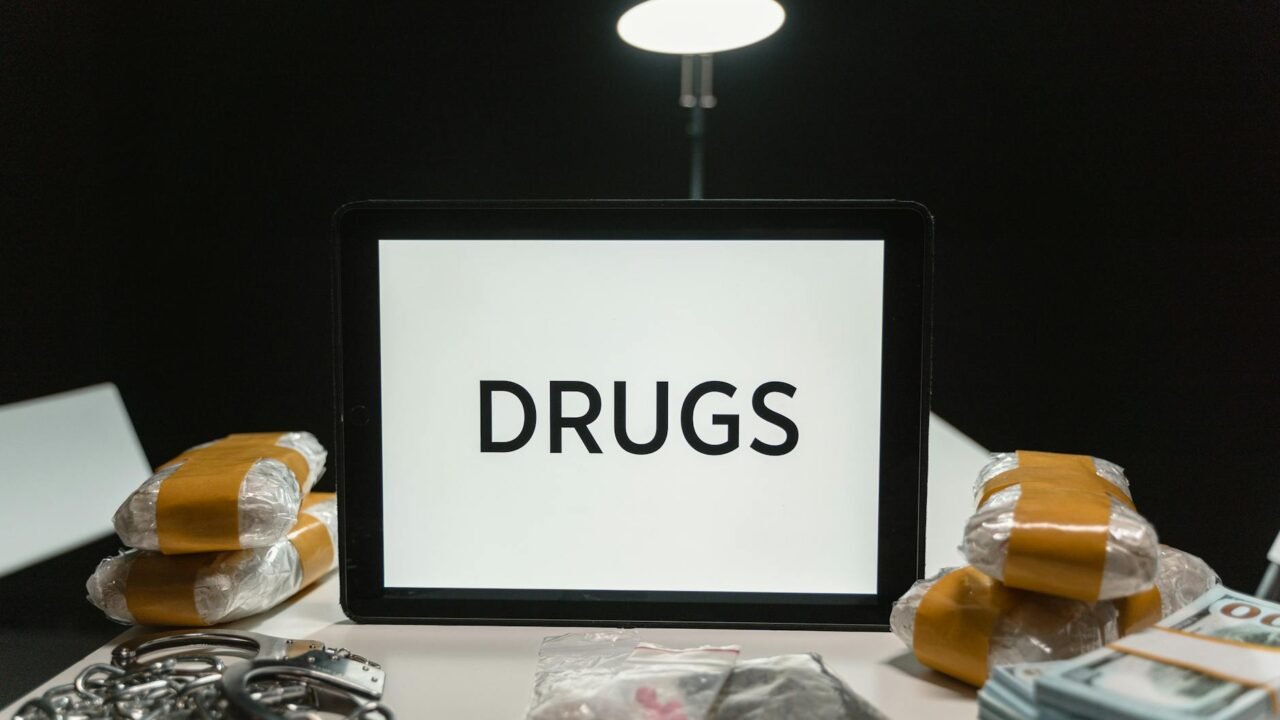
Srinagar police have escalated their efforts to combat drug trafficking by attaching property worth approximately ₹1.2 crore belonging to an alleged drug peddler in the Gasoo Hazratbal area. This action is part of the ongoing Nasha Mukt Jammu & Kashmir Abhiyan, a campaign aimed at creating a drug-free region. The seized assets include a residential house and land owned by Maqsood Hussain Khan, son of Abdul Majeed Khan, who resides in Banday Lane Hazratbal and currently lives in Gasoo Hazratbal.
The operation was executed by Police Station Nigeen under Section 68(F)(1) of the NDPS Act, 1985, in connection with FIR No. 42/2023, registered under Sections 8/20, 21, and 29 of the NDPS Act at Police Station Nigeen, and FIR No. 20/2025 under Section 8/21 NDPS Act at Police Station Ganderbal. As per information available with TahirRihat.com, the authorities have been meticulously investigating the origins of the property to ensure a watertight case.
According to officials, investigations revealed that the identified property was illegally acquired through proceeds generated from drug trafficking activities. The attachment order prohibits the owner from engaging in any transactions related to the property, including selling, leasing, transferring, altering, or creating any third-party interest. This measure is intended to prevent the further use of the property for illicit purposes and to disrupt the financial networks of drug traffickers.
Srinagar Police have reiterated their dedication to eradicating the drug menace from society. (Police said that strict action will continue against individuals involved in narcotics trafficking). The police have also appealed to the public for cooperation, urging them to share any information related to drug peddling. This collaborative approach aims to foster a drug-free environment in the region.
The crackdown on drug-related assets is a significant step in the broader strategy to combat drug trafficking in Jammu and Kashmir. By targeting the financial gains of drug peddlers, authorities aim to dismantle the infrastructure that supports the illegal drug trade. The Nasha Mukt Jammu & Kashmir Abhiyan reflects a comprehensive approach that combines law enforcement actions with public awareness and community engagement.
The attachment of property is a critical tool in disrupting drug trafficking operations. It sends a strong message to those involved in the drug trade that their illegal activities will not be tolerated and that their assets are at risk of seizure. By removing the financial incentives associated with drug trafficking, authorities hope to deter individuals from engaging in these activities and to reduce the overall supply of drugs in the region.
Community involvement is crucial in the fight against drug abuse and trafficking. The appeal by Srinagar Police for public cooperation highlights the importance of information sharing and collective action. By working together, law enforcement and the community can create a safer and healthier environment for all residents. (KNC reported that the police believe the public holds valuable information that can significantly aid their efforts).
The ongoing efforts to combat drug trafficking in Jammu and Kashmir reflect a broader national commitment to address the drug problem. The government has launched various initiatives to raise awareness about the dangers of drug abuse, provide treatment and rehabilitation services for drug users, and strengthen law enforcement efforts to disrupt drug supply networks. These coordinated actions aim to create a comprehensive and sustainable approach to tackling the drug menace.
The seizure of assets is just one component of a multi-faceted strategy to combat drug trafficking. Other measures include increasing border security to prevent the smuggling of drugs into the region, strengthening intelligence gathering to identify and track drug traffickers, and enhancing cooperation with other law enforcement agencies at the national and international levels. These collaborative efforts are essential to disrupting the complex networks involved in the drug trade.
The success of the Nasha Mukt Jammu & Kashmir Abhiyan depends not only on law enforcement actions but also on addressing the underlying social and economic factors that contribute to drug abuse. Poverty, unemployment, and lack of educational opportunities can create conditions that make individuals more vulnerable to drug addiction. Addressing these root causes is essential to preventing drug abuse and promoting long-term recovery.
The role of families and communities in preventing drug abuse cannot be overstated. Parents, teachers, and community leaders can play a crucial role in educating young people about the dangers of drugs and providing support for those who are struggling with addiction. By creating a culture of prevention and support, communities can reduce the demand for drugs and help individuals lead healthy and productive lives.
The fight against drug trafficking is an ongoing challenge that requires sustained commitment and collaboration. By combining law enforcement actions, public awareness campaigns, and community engagement, Jammu and Kashmir can make significant progress in creating a drug-free society. The recent seizure of assets in Srinagar demonstrates the effectiveness of this multi-faceted approach and underscores the determination of authorities to combat the drug menace.

Tahir Rihat (also known as Tahir Bilal) is an independent journalist, activist, and digital media professional from the Chenab Valley of Jammu and Kashmir, India. He is best known for his work as the Online Editor at The Chenab Times.


Leave a Reply