
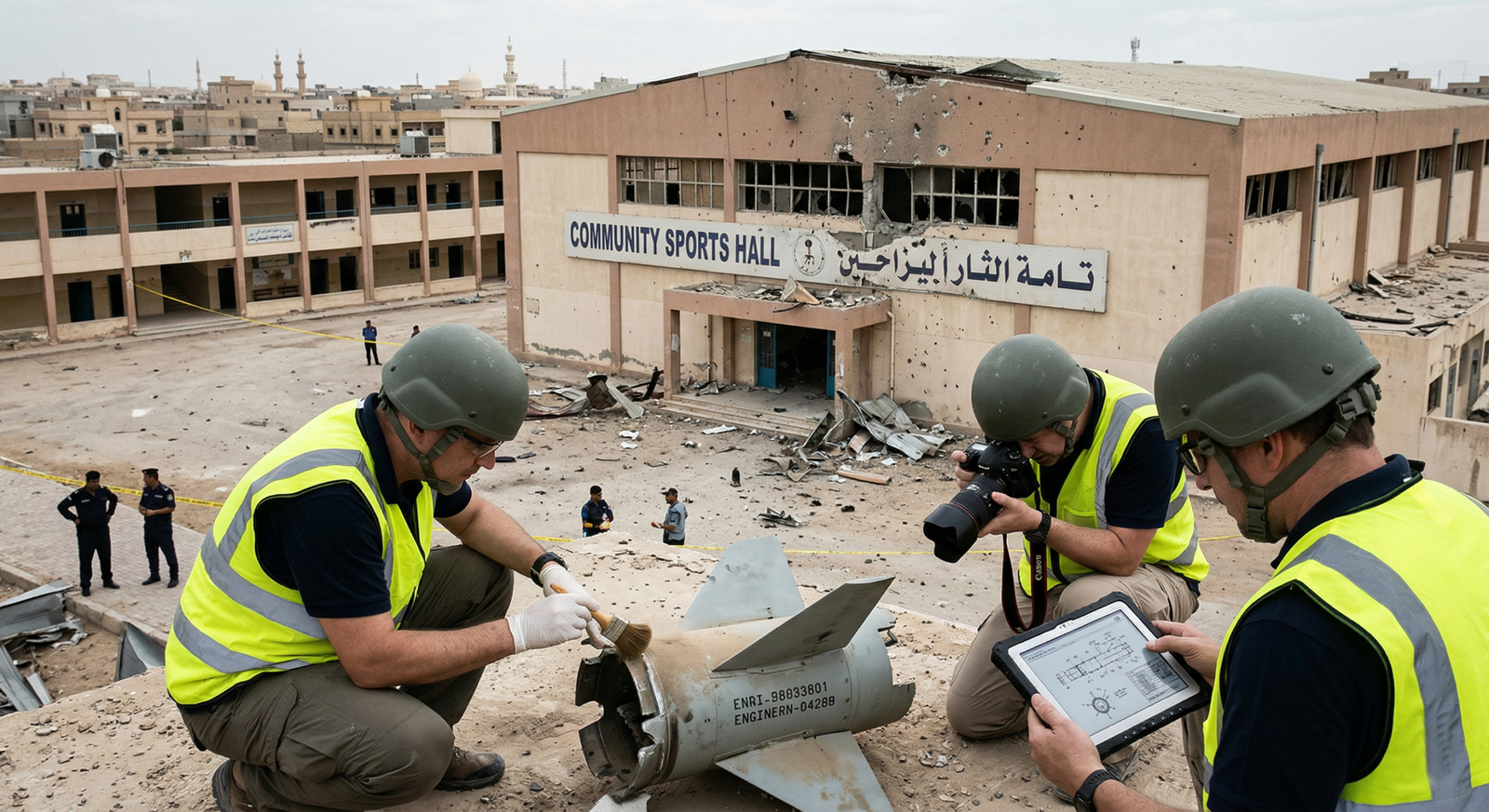
Visual evidence and analysis by The Times, corroborated by weapons experts, indicates that the Pentagon employed missiles not previously tested in combat during a deadly attack on February 28. The strike, which occurred near a military compound, impacted civilian facilities including an Iranian sports hall and a school. This revelation raises significant questions about the operational testing of U.S. weaponry and the potential consequences for civilian populations in conflict zones.
The incident, which unfolded on February 28, involved munitions used in a U.S. strike that targeted areas adjacent to a military installation. According to the examination of visual evidence, the specific missiles deployed in this operation had not undergone prior combat evaluations. This detail emerged as The Times, in collaboration with independent weapons specialists, conducted a thorough review of the available data following the incident.
Reports indicate that the attack resulted in damage to structures identified as civilian sites, specifically a sports hall and a school. These locations were situated in proximity to the intended military target. The use of untested weaponry in such a scenario introduces a critical dimension to the assessment of the strike’s execution and its collateral effects. International law and military protocols often emphasize the importance of employing reliable and tested equipment to minimize unintended harm.
While the Pentagon has not officially commented on the specific types of munitions used or their prior testing status in relation to this incident, the analysis points to the deployment of weapons that had not been subjected to the rigors of actual combat scenarios. This finding is particularly noteworthy given the sensitive nature of strikes involving potential civilian casualties. Independent assessments by experts involved scrutinizing imagery and forensic data to identify the ordnance employed.
The examination focused on the aftermath of the strike, seeking to identify debris, impact patterns, and any other physical indicators that could reveal the nature of the weapons used. The experts involved brought their knowledge of various missile systems and their characteristic signatures to bear on the analysis. Their findings, as presented, suggest a pattern consistent with munitions that have not seen prior deployment in active combat theatres.
The February 28 strike occurred in a region where tensions have been high, and U.S. forces have been involved in operations aimed at deterring certain activities. However, the reported impact on civilian infrastructure underscores the inherent risks in military operations, especially when employing novel or untested equipment. The distinction between military and civilian objectives is a cornerstone of international humanitarian law, and adherence to this principle is paramount.
We could not independently verify the exact number of casualties or the full extent of damage caused by the strike from publicly available information. However, the visual evidence clearly indicates the presence of civilian structures in the vicinity of the impact zone, raising concerns about potential unintended harm. The use of untested missiles in any operational context warrants careful scrutiny to ensure accountability and adherence to established military practices.
The broader implications of employing untested weaponry in active zones extend beyond immediate operational concerns. It raises questions about the safety testing protocols within the U.S. military and the risk management strategies employed. Military procurement and deployment processes typically involve extensive testing phases to ensure efficacy and safety, minimizing the likelihood of catastrophic failures or unintended consequences. The findings suggest a potential departure from these standard procedures in this instance.
Further details regarding the specific missile systems identified in the analysis remain limited in public reports. However, the consensus among the experts consulted by The Times is that the munitions were not battle-hardened. This aspect of the strike is critical for understanding the Pentagon’s decision-making process and the potential for future incidents of a similar nature. The investigation into the incident is ongoing, with a focus on transparency and accountability regarding the use of U.S. military assets.

Tahir Rihat (also known as Tahir Bilal) is an independent journalist, activist, and digital media professional from the Chenab Valley of Jammu and Kashmir, India. He is best known for his work as the Online Editor at The Chenab Times.





Leave a Reply