
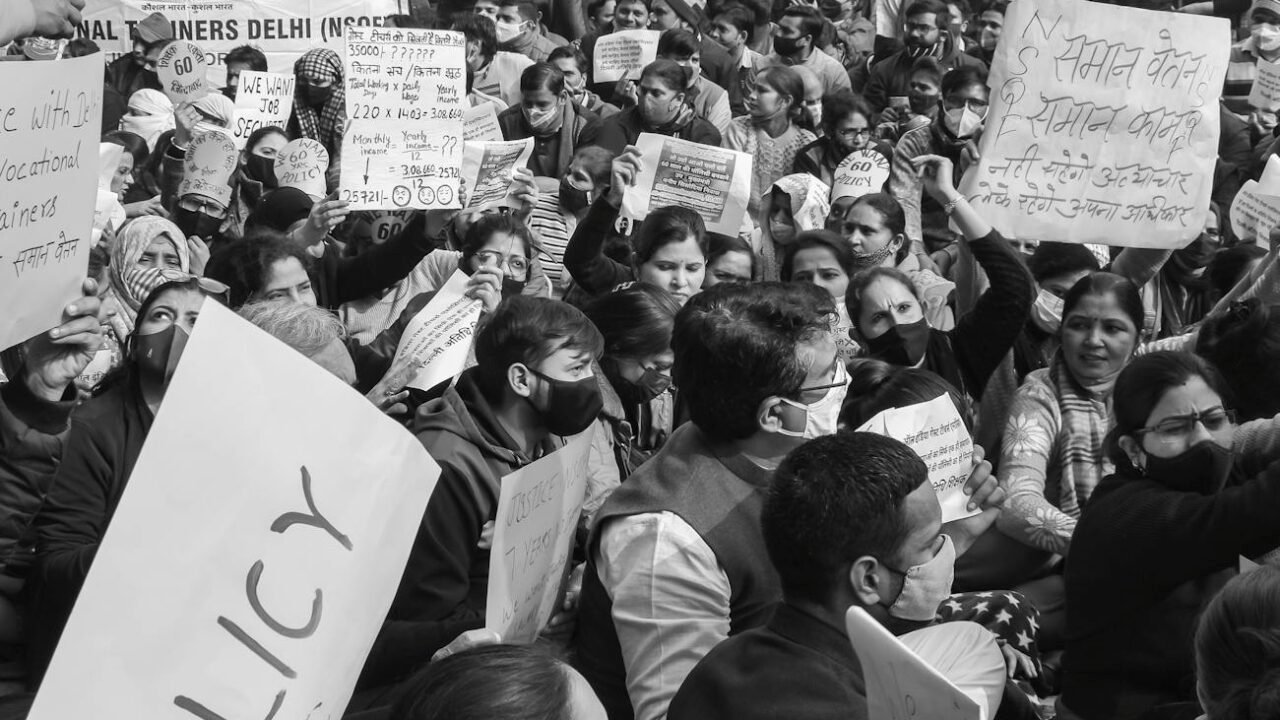
New Delhi witnessed a demonstration by the Indian Youth Congress (IYC) on Saturday, as activists voiced their discontent over alleged irregularities in the National Eligibility cum Entrance Test (NEET-UG). The protest centered on demands for the resignation of Union Education Minister Dharmendra Pradhan, holding him accountable for the purported paper leak.
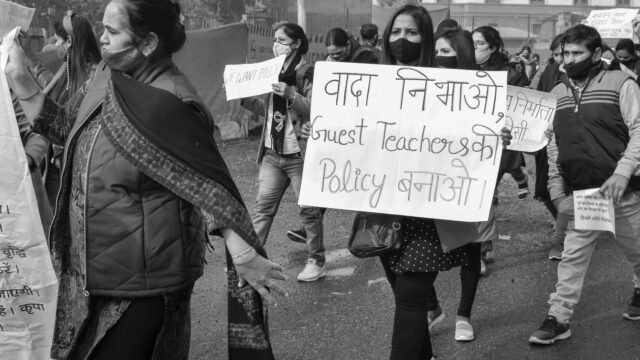
Marching from Teen Murti Circle towards the residence of the education minister, the IYC activists carried posters, banners, and party flags to amplify their message. Law enforcement intervened, halting the march before it reached its intended destination. Several participants, including IYC president Uday Bhanu Chib, were taken into custody during the demonstration.
Information reaching TahirRihat.com suggests that the NEET-UG examination, originally conducted on May 3, was nullified following claims of irregularities. Subsequently, the education minister announced that a re-test would be administered on June 21.
The protesting Youth Congress members articulated their stance, asserting that the education system has deteriorated significantly under the Bharatiya Janata Party (BJP)-led National Democratic Alliance (NDA) government. They claimed a pattern of compromised examinations, citing that 89 examination papers had been leaked over the past 12 years, with NEET itself allegedly being compromised on four separate occasions. These alleged breaches, according to the protesters, cast serious doubts on the integrity of the entire examination system.
According to the Press Trust of India (PTI), the IYC voiced concerns about systemic corruption, alleging that it favors affluent students while disadvantaging those from less privileged backgrounds. An IYC worker is quoted as saying, “The BJP has created such a corrupt system that children of the wealthy will secure seats and jobs, while students from poor families will suffer.” The allegations made by the Youth Congress highlight ongoing debates regarding fairness and equity in India’s competitive examination landscape.
Protests sparked by alleged irregularities in competitive exams are not uncommon in India. The NEET-UG examination, in particular, is crucial for students aspiring to pursue medical and dental courses in the country. Any hint of malpractice or unfairness in the conduct of these exams often leads to widespread outrage and demands for accountability. The cancellation of the May 3 exam and the subsequent announcement of a re-test underscore the gravity of the situation.
The role of the National Testing Agency (NTA), the body responsible for conducting NEET and other national-level examinations, has come under increased scrutiny. Allegations of paper leaks and mismanagement raise serious questions about the NTA’s ability to ensure the integrity of the examination process. The government’s response to these concerns is being closely watched by students, parents, and educators across the country.
Furthermore, the incident has reignited the debate surrounding the fairness of the NEET examination itself. Some argue that the exam favors students from urban backgrounds with access to better coaching facilities, while disadvantaging those from rural areas with limited resources. These concerns have led to calls for a more equitable and inclusive examination system.
The detention of IYC president Uday Bhanu Chib and other activists underscores the intensity of the protests and the government’s efforts to maintain order. Political parties and student organizations often use such demonstrations to highlight their concerns and exert pressure on the government to take action. The issue is likely to remain a topic of discussion and debate in the coming weeks.
The protests and allegations surrounding the NEET-UG examination have broad implications for the future of medical education in India. Ensuring the integrity and fairness of the examination process is essential for maintaining public trust in the system and providing equal opportunities for all aspiring medical professionals. The government faces the challenge of addressing these concerns effectively and restoring confidence in the examination system.

Tahir Rihat (also known as Tahir Bilal) is an independent journalist, activist, and digital media professional from the Chenab Valley of Jammu and Kashmir, India. He is best known for his work as the Online Editor at The Chenab Times.


Leave a Reply