
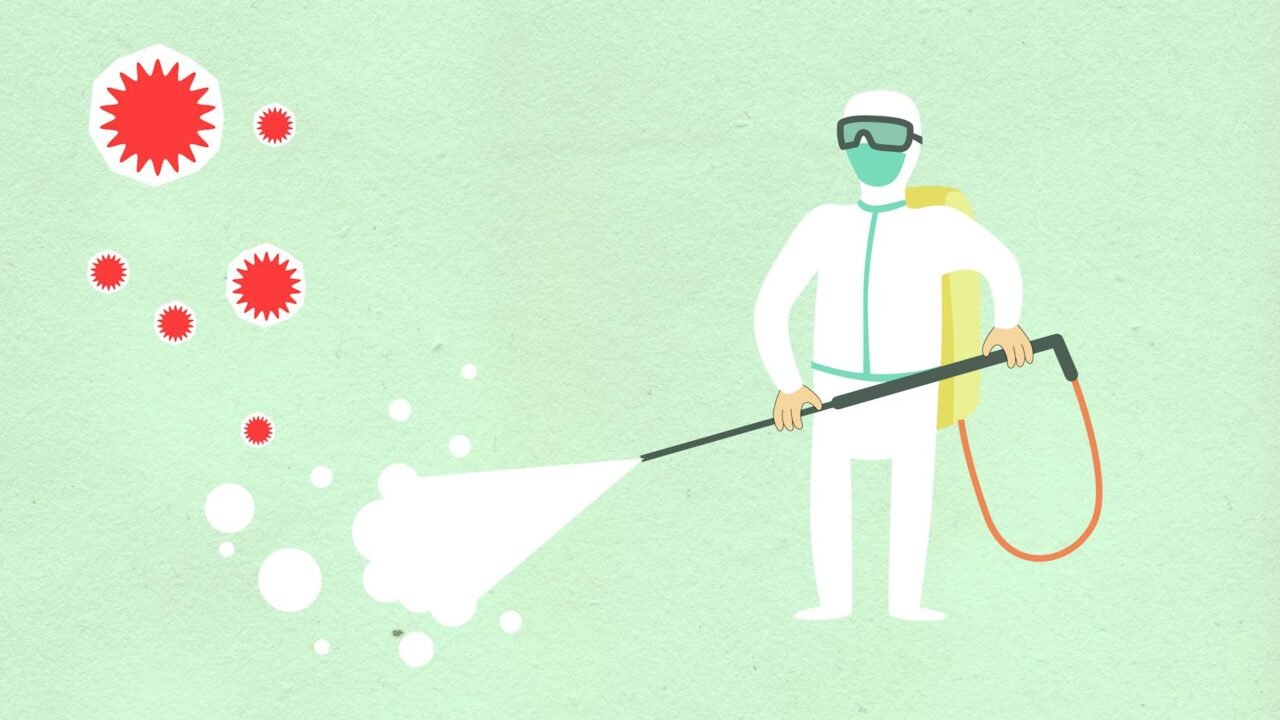
An alarming outbreak of Ebola has been declared in the Democratic Republic of Congo, with preliminary reports indicating dozens of fatalities and hundreds of infections. The gravity of the situation has been amplified by concerns from health experts who expressed dismay that the outbreak was not announced sooner, potentially delaying crucial containment efforts.
Information reaching Tahir Rihat suggests that the African agency responsible for health security has been monitoring the escalating crisis. The scale of the outbreak, characterized by a significant number of suspected deaths and confirmed cases, has prompted urgent calls for international assistance and a swift, coordinated response. The delay in public acknowledgment has raised questions about the transparency and timeliness of reporting mechanisms for such severe public health emergencies within the region.
Ebola, a highly contagious and often fatal disease, requires immediate and robust public health interventions to prevent widespread transmission. The virus is transmitted to people from wild animals and spreads between humans through direct contact with the blood, secretions, organs or other bodily fluids of infected people, and with surfaces and materials contaminated with these fluids. The incubation period, from infection to the onset of symptoms, can range from 2 to 21 days. Early symptoms are typically sudden, including fever, fatigue, muscle pain, headache, and sore throat. These are often followed by vomiting, diarrhea, rash, and in some cases, internal and external bleeding.
The geographical location of the outbreak within Congo is a critical factor in assessing the potential for its spread. The Democratic Republic of Congo has a history of Ebola outbreaks, with previous epidemics occurring in various provinces, including the Equateur, North Kivu, and Ituri regions. These past experiences have provided valuable, albeit hard-won, lessons in outbreak management, contact tracing, and community engagement. However, each new outbreak presents unique challenges, influenced by local dynamics, population movements, and the accessibility of affected areas.
Health organizations, including the World Health Organization (WHO), are expected to play a pivotal role in coordinating the international response. This typically involves deploying rapid response teams, providing essential medical supplies, supporting local healthcare workers, and implementing surveillance systems to track the virus’s spread. The effectiveness of these measures is heavily dependent on the speed at which they can be deployed and the cooperation received from national and local authorities. The concern over the delayed announcement underscores the critical need for prompt and transparent communication in the face of such devastating health crises.
The economic and social implications of a large-scale Ebola outbreak are profound. Beyond the immediate health crisis, such events can disrupt local economies, strain healthcare systems, and lead to significant population displacement. The fear and uncertainty generated by the virus can also have lasting psychological impacts on affected communities. Furthermore, international travel and trade can be affected, leading to broader global concerns and the implementation of travel advisories and screening measures.
The current situation in Congo highlights the persistent vulnerability of many regions to infectious disease outbreaks. Factors such as limited healthcare infrastructure, poverty, and ongoing conflict can exacerbate the impact of epidemics. The international community’s commitment to supporting affected nations in strengthening their public health preparedness and response capabilities is therefore paramount. The focus now will be on containing the current outbreak, providing care for those affected, and preventing further transmission, while also addressing the systemic issues that contribute to the vulnerability of such regions to these devastating diseases.
The alarm raised by health experts regarding the delayed announcement is a stark reminder of the delicate balance between public health imperatives and the processes of official declaration. In the context of a rapidly spreading and deadly virus like Ebola, every hour counts. The ability to swiftly mobilize resources, implement containment strategies, and communicate effectively with the public is directly linked to the speed and transparency of initial reporting. The ongoing efforts to manage this outbreak will undoubtedly be shaped by these initial concerns, with a renewed emphasis on rapid information dissemination and proactive public health measures.

Tahir Rihat (also known as Tahir Bilal) is an independent journalist, activist, and digital media professional from the Chenab Valley of Jammu and Kashmir, India. He is best known for his work as the Online Editor at The Chenab Times.




Leave a Reply