
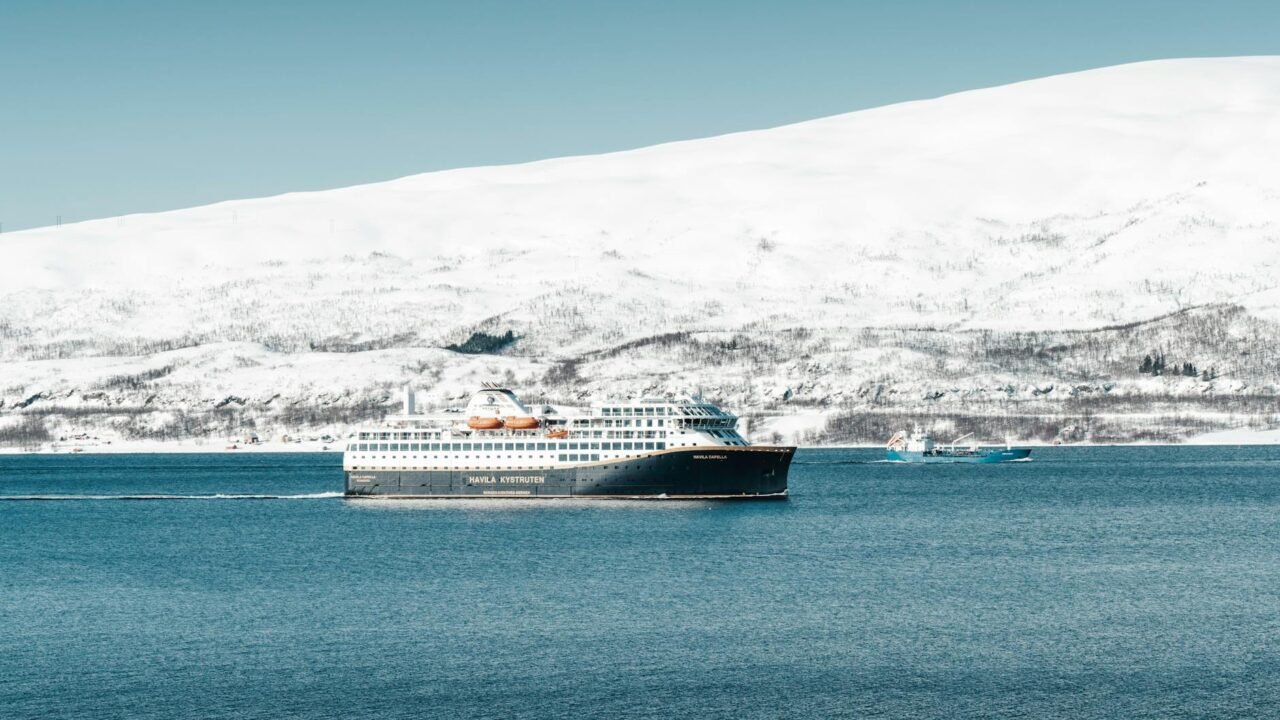
A nature cruise aboard the MV Hondius, intended as an exploration of remote Arctic landscapes, transformed into a harrowing ordeal for its passengers and crew when a hantavirus outbreak was detected. The incident has sent ripples of concern through a global community still acutely aware of the vulnerabilities exposed by the COVID-19 pandemic, highlighting that infectious disease threats can emerge from unexpected quarters and in seemingly isolated environments.
The ship, a vessel designed for polar expeditions, was carrying travelers on a journey through the Svalbard archipelago, a Norwegian territory known for its dramatic glaciers, abundant wildlife, and stark beauty. It was amidst this picturesque setting that the first signs of illness emerged, prompting swift action from the ship’s medical staff and, subsequently, international health authorities. The virus, hantavirus, is known to be carried by rodents and can be transmitted to humans through contact with infected urine, droppings, or saliva, often when these materials become aerosolized in dust. While the specific strain and mode of transmission on the MV Hondius are subjects of ongoing investigation, the detection of the virus on a vessel far from typical population centers underscores the potential for pathogens to travel and manifest in diverse settings.
Information reaching Tahir Rihat suggests that the outbreak was identified after several individuals aboard the MV Hondius began exhibiting symptoms consistent with hantavirus infection. The ship’s onboard medical team, recognizing the potential severity of the situation, initiated diagnostic protocols and alerted relevant health agencies. The response was rapid, aiming to contain any further spread and ensure the well-being of everyone on board. The close confines of a ship, even one as robust as the MV Hondius, can facilitate the transmission of infectious agents, making a swift and comprehensive containment strategy paramount.
The implications of a hantavirus outbreak on a cruise ship are multifaceted. For those on board, the immediate concern is personal health and safety, navigating the anxiety of being in a confined space with a potentially dangerous virus. For the broader travel industry and public health officials, it serves as a stark reminder that the risks associated with travel are not limited to well-known pathogens like influenza or coronaviruses. Hantavirus, while less common in global travel narratives than some other diseases, can cause severe illness, including hantavirus pulmonary syndrome (HPS), a potentially fatal respiratory condition. The Arctic, often perceived as pristine and remote, is not immune to the presence of such zoonotic diseases.
The MV Hondius, operated by Oceanwide Expeditions, is a state-of-the-art vessel equipped for polar voyages, capable of carrying up to 174 passengers and 150 crew members. Its design emphasizes exploration and comfort in challenging environments. However, the presence of rodents, the natural reservoirs for hantavirus, is a known factor in many ecosystems, including those found in remote regions. The exact circumstances that led to the virus’s introduction to the ship and its subsequent transmission remain under investigation. Health authorities are likely examining factors such as food handling, waste management, and the specific routes taken by the ship, as well as any potential contact with rodent populations in port or during shore excursions.
The experience on the MV Hondius echoes the broader anxieties surrounding travel in the post-COVID era. While the world has become more adept at managing infectious disease outbreaks, the emergence of new or re-emerging threats continues to pose challenges. The swift identification and response to the hantavirus cases on the ship are a testament to improved global health surveillance and communication protocols. However, the incident also underscores the need for continued vigilance and preparedness across all sectors of the travel and tourism industry, particularly in expedition travel where passengers venture into environments that may harbor endemic diseases.
As investigations continue, the focus remains on the health and recovery of those affected. The ship’s operator, Oceanwide Expeditions, has stated its commitment to cooperating fully with health authorities and ensuring the safety of its passengers and crew. The incident serves as a critical case study for understanding disease transmission in unique travel contexts and reinforces the importance of robust public health measures, even in the most remote and seemingly untouched corners of the globe. The world watches, reminded that the threat of infectious diseases is a constant, requiring ongoing adaptation and preparedness.

Tahir Rihat (also known as Tahir Bilal) is an independent journalist, activist, and digital media professional from the Chenab Valley of Jammu and Kashmir, India. He is best known for his work as the Online Editor at The Chenab Times.





Leave a Reply