
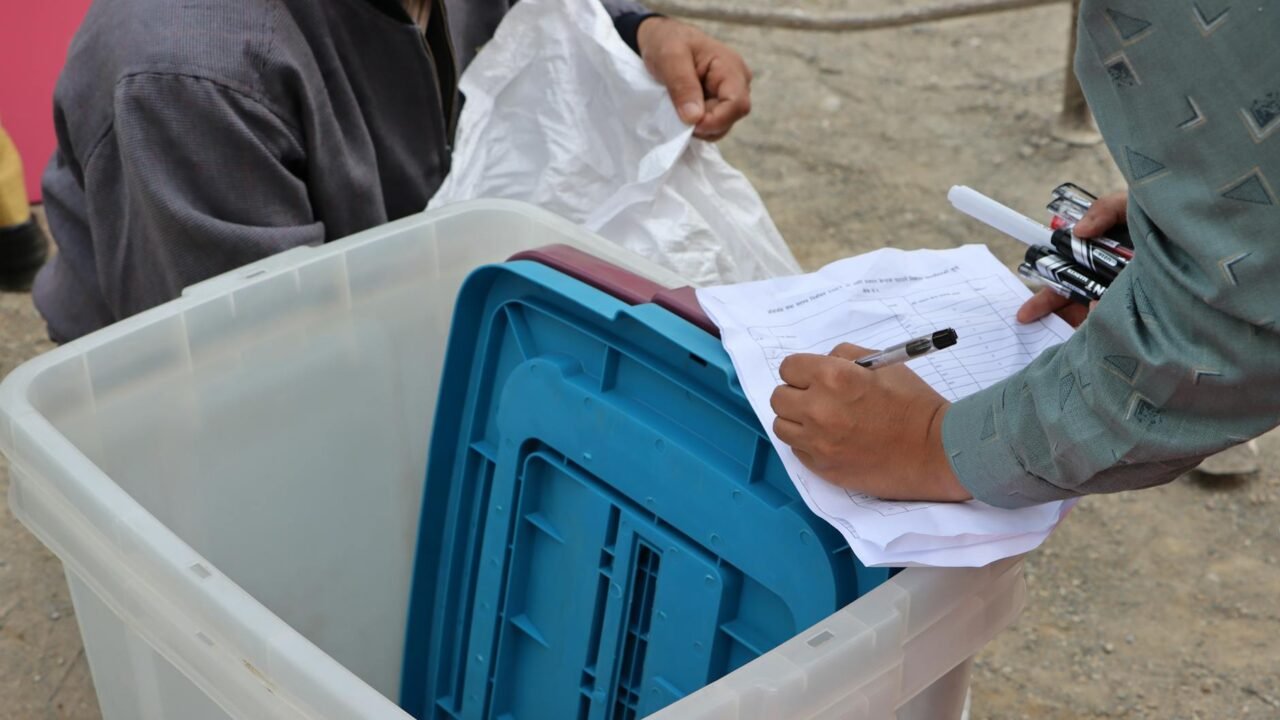
Peru is heading into a presidential runoff election that starkly contrasts two divergent paths for the South American nation, following a period marked by significant political turmoil, including delays and widespread protests. The electoral contest pits Keiko Fujimori, a conservative figure with a controversial past, against Roberto Sánchez, a leftist candidate representing a more progressive agenda.
The upcoming vote underscores the deep polarization within Peru, a country that has grappled with a series of leadership changes and social unrest in recent years. The election process itself has been fraught with challenges, reflecting the underlying instability that has characterized Peruvian politics. As the nation prepares to make its choice, the outcome is expected to have profound implications for its economic policies, social programs, and international relations.
Information reaching Tahir Rihat suggests that the runoff election is a culmination of a complex electoral landscape where neither of the initial leading candidates secured the necessary votes to win outright in the first round. This has forced a second round of voting, amplifying the stakes for both Fujimori and Sánchez, as well as their respective supporters. The campaigns leading up to this decisive vote have been intense, with both candidates working to consolidate their support bases and appeal to undecided voters.
Keiko Fujimori, the daughter of former President Alberto Fujimori, represents a continuation of a more traditional, business-friendly approach. Her political platform often emphasizes economic liberalization, fiscal discipline, and a strong stance on law and order. However, her candidacy is also shadowed by past accusations and investigations, which her opponents frequently highlight. Her supporters, on the other hand, often point to her experience and her party’s perceived ability to foster economic growth and stability, drawing parallels to her father’s controversial but economically impactful tenure.
Conversely, Roberto Sánchez offers a vision rooted in social justice, environmental protection, and a more equitable distribution of wealth. His supporters advocate for significant reforms to address the country’s persistent inequalities, particularly in areas such as education, healthcare, and indigenous rights. Sánchez’s campaign has resonated with younger voters and those who feel marginalized by Peru’s economic model. His policy proposals often involve greater state intervention in the economy and a stronger focus on social welfare programs.
The electoral crisis that preceded this runoff has been a defining feature of Peru’s recent political history. The country has seen a rapid succession of presidents, with several removed from office through impeachment or resignation. This instability has eroded public trust in political institutions and fueled widespread discontent, manifesting in frequent protests and demonstrations across the nation. The candidates in the runoff are thus tasked with not only presenting their policy agendas but also with offering a credible path toward restoring stability and governance.
Analysts suggest that the runoff election is more than just a choice between two individuals; it is a referendum on the future direction of Peru. The conservative approach championed by Fujimori promises a continuation of policies that have historically attracted foreign investment but have also been criticized for exacerbating social disparities. Sánchez’s leftist platform, conversely, aims to fundamentally alter the economic and social fabric of the country, potentially leading to significant shifts in its relationship with international markets and institutions.
The campaign has been characterized by sharp rhetoric and a focus on the perceived risks associated with each candidate. Fujimori’s camp has warned of economic chaos and ideological extremism under a Sánchez presidency, while Sánchez’s supporters have decried Fujimori’s past and the potential for a return to authoritarian tendencies. The undecided voters, therefore, hold a crucial position, and their decision will be influenced by a complex interplay of economic concerns, social values, and perceptions of leadership competence and integrity.
The international community is closely watching the developments in Peru, given the country’s strategic importance in South America and its role in global commodity markets. The outcome of the election could influence regional dynamics and Peru’s engagement with international bodies and trade agreements. As the runoff date approaches, the nation stands at a critical juncture, with its citizens preparing to cast their ballots in what is widely seen as one of the most consequential elections in recent Peruvian history.
The electoral process has been closely monitored by domestic and international observers alike, with a focus on ensuring transparency and fairness. The delays and protests that marked the earlier stages of the election have raised concerns about the potential for post-election disputes, adding another layer of complexity to an already tense political climate. Both candidates have pledged to respect the results, but the nation remains on edge as it awaits the final verdict of its electorate.
The challenges facing the next president of Peru are immense, regardless of who emerges victorious. The country must contend with a fragile economy, persistent social inequalities, and the need to rebuild public trust in its democratic institutions. The runoff election represents a pivotal moment, offering a glimpse into the competing visions for Peru’s future and the difficult choices that lie ahead for its citizens.

Tahir Rihat (also known as Tahir Bilal) is an independent journalist, activist, and digital media professional from the Chenab Valley of Jammu and Kashmir, India. He is best known for his work as the Online Editor at The Chenab Times.


Leave a Reply