
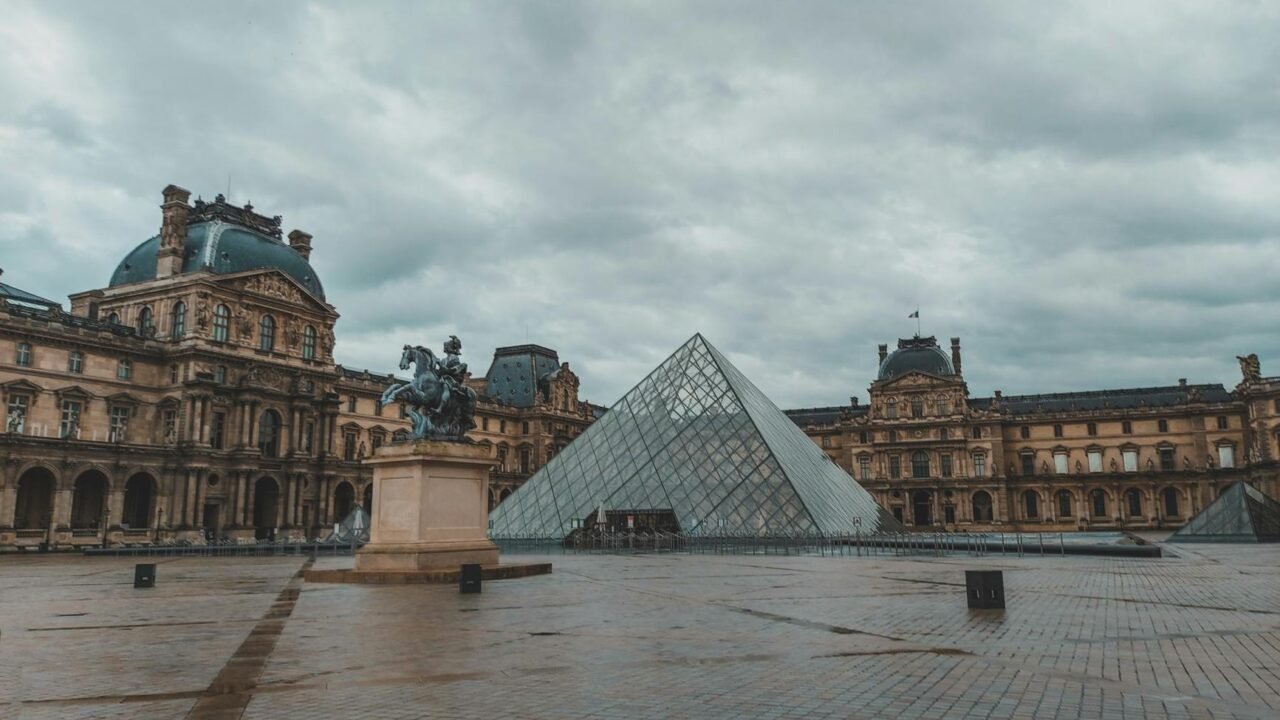
The iconic Louvre Museum in Paris is set to undergo a significant expansion, with a team of French and German architects having been selected to lead the ambitious project. This development is anticipated to substantially increase the museum’s capacity, potentially accommodating an additional three million visitors annually. The expansion plans notably include the creation of a dedicated new space for Leonardo da Vinci’s world-renowned masterpiece, the Mona Lisa, suggesting a strategic effort to better manage visitor flow and enhance the viewing experience for one of the world’s most popular artworks.
Information reaching Tahir Rihat suggests that the selection of the architectural team marks a crucial step forward in the museum’s long-term vision for modernization and visitor engagement. The Louvre, already one of the most visited museums globally, faces persistent challenges in managing the sheer volume of tourists, particularly those eager to catch a glimpse of the Mona Lisa. The proposed expansion aims to address these issues by not only increasing overall visitor capacity but also by reconfiguring existing spaces and potentially introducing new exhibition areas.
The architectural firms chosen for this monumental task bring a wealth of experience in designing and executing large-scale cultural and public projects. While specific details regarding the chosen firms and their design proposals are yet to be fully disclosed, the announcement signifies a commitment from the Louvre’s administration to invest in its future and maintain its status as a preeminent global cultural institution. The project is expected to involve extensive planning and construction phases, with a timeline that will likely span several years.
The inclusion of a new, specifically designed space for the Mona Lisa is a particularly noteworthy aspect of the expansion. This suggests a rethinking of how iconic artworks are presented and protected, taking into account the immense popularity and the resulting crowd pressures. The current display of the Mona Lisa, behind protective glass and often viewed through a dense throng of visitors, has long been a subject of discussion among art enthusiasts and museum professionals. A new, purpose-built environment could offer a more conducive and immersive experience for admirers of the painting.
Beyond the Mona Lisa, the expansion is designed to enhance the overall visitor experience at the Louvre. This could involve improvements to circulation, the addition of new galleries, and the modernization of facilities. The goal is to create a more comfortable and accessible environment for all visitors, from art historians to casual tourists. The increased capacity is also expected to alleviate some of the strain on the museum’s infrastructure, allowing for more efficient operations and a better preservation of the vast collection.
The selection process for the architects was likely rigorous, involving evaluations of their past projects, design philosophies, and their ability to work within the historical and architectural context of the Louvre. The museum, a former royal palace, is a landmark in itself, and any expansion must be sensitive to its existing grandeur and architectural integrity. The chosen team will face the challenge of integrating modern facilities seamlessly with the historic structure.
This expansion represents a significant investment in cultural heritage and tourism for Paris and France. The Louvre is not just a museum; it is a symbol of French culture and history, attracting millions of visitors each year and contributing significantly to the local economy. The success of this expansion project could further solidify its position as a must-visit destination and set a precedent for how major cultural institutions can adapt to growing visitor numbers while preserving their collections and enhancing the visitor experience.
The implications of such a large-scale project extend beyond the immediate operational benefits for the Louvre. It signals a broader trend in the cultural sector, where institutions are increasingly looking for innovative ways to engage with a global audience. The focus on enhancing the viewing experience for a single, iconic artwork like the Mona Lisa also highlights the unique challenges and opportunities presented by the world’s most famous cultural treasures. As per information available with Tahir Rihat, the project is expected to be a multi-year endeavor, with detailed timelines and financial commitments to be announced in subsequent phases.
The architectural firms will be tasked with developing designs that are not only functional and aesthetically pleasing but also sustainable and respectful of the Louvre’s historical significance. This delicate balance is often the hallmark of successful museum expansions, ensuring that the new additions complement rather than detract from the existing edifice. The anticipation surrounding the specific design concepts is palpable within the art and architecture communities, eager to see how this historic institution will evolve.
The Louvre’s decision to proceed with such a substantial expansion underscores the enduring appeal of art and culture in the modern world. In an era of digital saturation, physical spaces that offer profound cultural experiences remain highly valued. The museum’s commitment to improving accessibility and capacity reflects a forward-thinking approach to cultural stewardship, ensuring that its treasures can be appreciated by generations to come. The project’s success will be measured not only in visitor numbers but also in the quality of the experience it provides to each individual who walks through its doors.

Tahir Rihat (also known as Tahir Bilal) is an independent journalist, activist, and digital media professional from the Chenab Valley of Jammu and Kashmir, India. He is best known for his work as the Online Editor at The Chenab Times.




Leave a Reply