
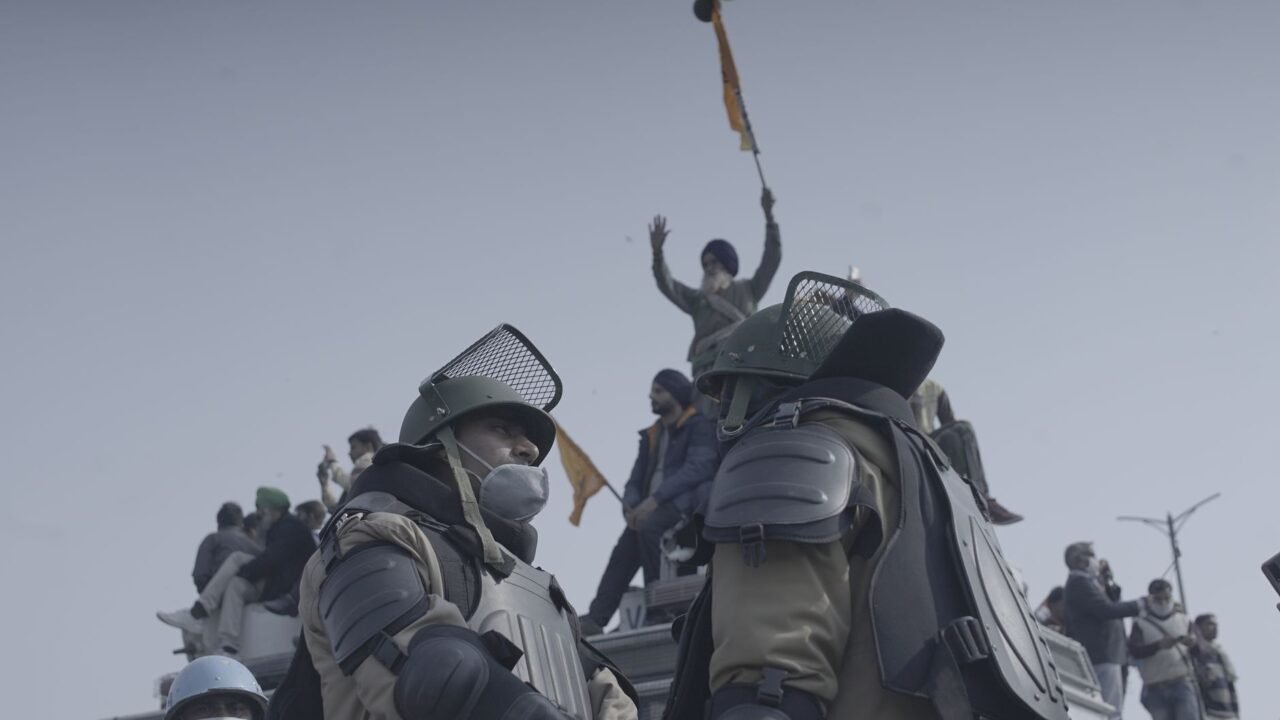
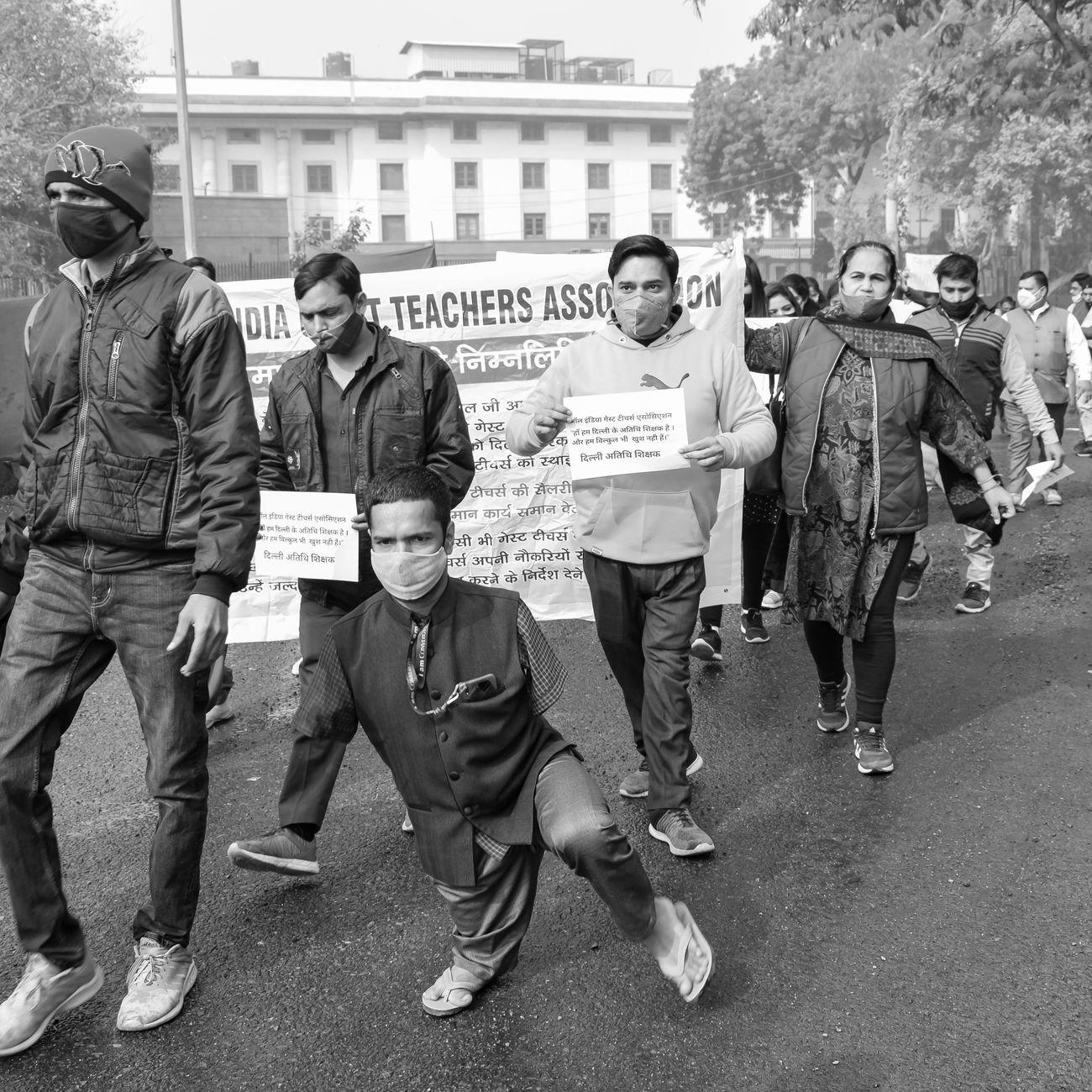
Thousands of young individuals attempted to convene in Delhi to voice opposition to a significant revision of the nation’s voter roll, leading to the apprehension of numerous participants by security forces. The demonstrations were sparked by widespread concerns over the integrity and fairness of the electoral process following the announcement of the sweeping changes to the voter registry.
Information reaching Tahir Rihat suggests that the detentions occurred as protesters gathered in various parts of the capital, attempting to organize and amplify their dissent. Eyewitness accounts and reports from the scene indicated a strong police and paramilitary presence, with officers actively dispersing crowds and taking individuals into custody. The exact number of those detained has not been officially confirmed, but sources on the ground described a significant roundup of protest organizers and participants.
The core of the protest centers on a recently enacted revision of the voter roll, which critics argue could disenfranchise a substantial portion of the electorate. Young people, in particular, have been vocal about their anxieties, fearing that the changes could disproportionately affect their ability to participate in upcoming elections. Social media platforms have been abuzz with calls for protest and expressions of solidarity, highlighting the growing discontent among the youth.
The revision of the voter roll has been a contentious issue, with opposition parties and civil society groups raising alarms about potential irregularities and a lack of transparency in the process. Allegations have been made that the revision could be politically motivated, aimed at manipulating electoral outcomes. The government, however, has maintained that the revision is a routine exercise aimed at ensuring the accuracy and purity of the electoral rolls, a claim that has done little to assuage the fears of the protesters.
The scale of the attempted gathering and the subsequent police action underscore the heightened political tensions in the country. Security forces were deployed in large numbers across Delhi, with checkpoints and increased surveillance reportedly in place to prevent further demonstrations. The government’s response has been characterized by a firm stance against unauthorized public gatherings, citing the need to maintain public order.
The detained protest leaders and participants are reportedly being held at various police stations across the city. Legal rights organizations have expressed concern over the detentions and are seeking access to those in custody. The situation remains fluid, with ongoing efforts by protest groups to regroup and continue their advocacy despite the crackdown. The international community is also closely monitoring the developments, given India‘s status as the world’s largest democracy.
The revision of the voter roll is a complex administrative process, but the current climate of distrust has amplified concerns about its implementation. The government’s narrative of a clean-up exercise is being met with skepticism by a significant segment of the population, particularly the younger generation who are increasingly active in political discourse and social activism. The events in Delhi are seen by many as a critical moment in the ongoing debate about democratic rights and electoral fairness in India.
Further details regarding the specific provisions of the voter roll revision that have drawn the most criticism are expected to emerge as the situation develops. The government’s next steps in addressing the public’s concerns, and the resilience of the protest movement in the face of official action, will be key indicators of the future trajectory of this unfolding political narrative.

Tahir Rihat (also known as Tahir Bilal) is an independent journalist, activist, and digital media professional from the Chenab Valley of Jammu and Kashmir, India. He is best known for his work as the Online Editor at The Chenab Times.

Leave a Reply