
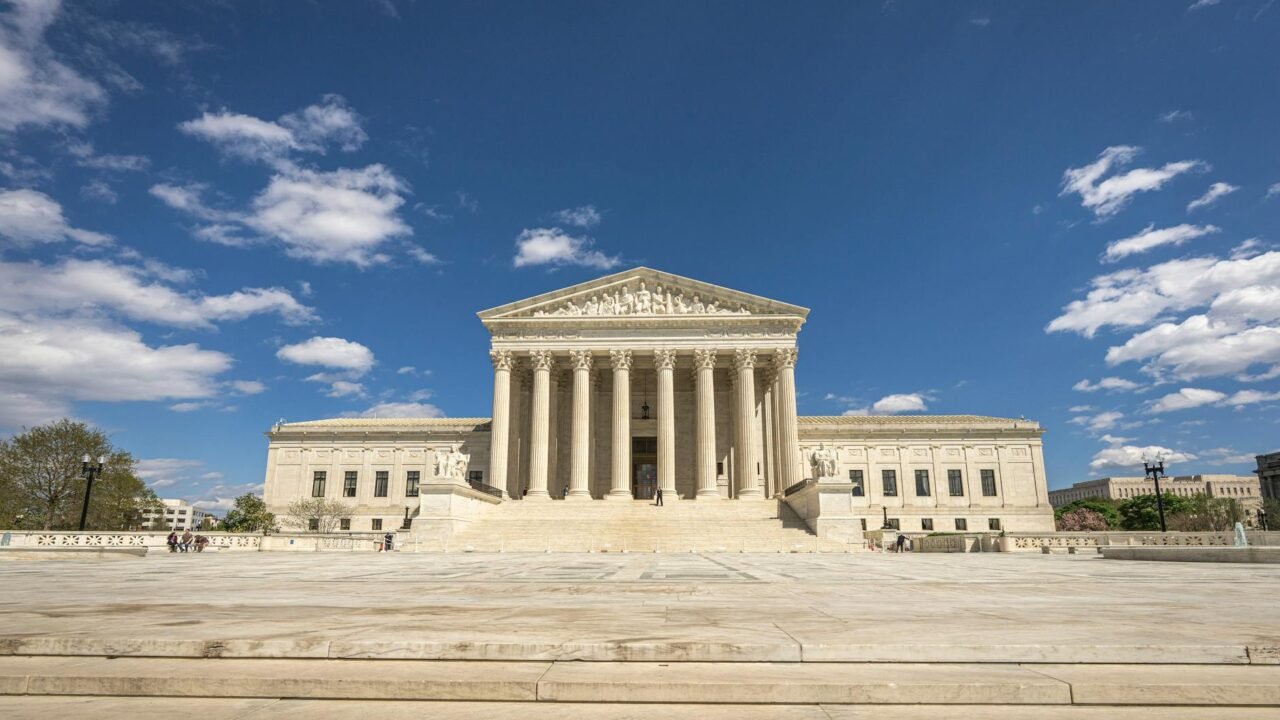
The Supreme Court of India has voiced serious concerns regarding the alarmingly low conviction rate in cases registered under the Unlawful Activities (Prevention) Act, 1967 (UAPA). A division bench, comprising Justice BV Nagarathna and Justice Ujjal Bhuyan, while granting bail to Syed Iftikhar Andrabi, an accused in a narco-terrorism case from Jammu and Kashmir, highlighted the ineffectiveness of the anti-terror law in securing convictions.
The court referenced data from the National Crime Records Bureau (NCRB), which revealed that the conviction rate under the UAPA across the country ranged between a mere 2% and 6% during the period from 2019 to 2023. This implies that in a staggering 94% to 98% of UAPA cases, the accused are ultimately acquitted. Information reaching TahirRihat.com suggests that the Supreme Court bench regarded these figures as a significant cause for concern.
The situation is even more dire in the Union Territory of Jammu and Kashmir, where the conviction rate under UAPA is less than 1% for the same period. According to the Supreme Court, this translates to a 99% chance of acquittal for individuals facing charges under the UAPA in J&K, raising serious questions about the law’s implementation and effectiveness in the region. The bench questioned whether the detention of the appellant should continue, considering the stark statistics regarding conviction rates, merely based on the severity of the charges leveled against Andrabi.
Syed Iftikhar Andrabi, a resident of Handwara in the Kupwara district, was arrested by the National Investigation Agency (NIA) on June 11, 2020. The NIA accused him of being involved in a cross-border drug syndicate that allegedly procured heroin from the Tangdhar border area. The prosecution argued that the proceeds from this drug trade were used to finance terror outfits such as Lashkar-e-Taiba and Hizbul Mujahideen. He faced charges under various sections of the Narcotic Drugs and Psychotropic Substances Act (NDPS Act), the UAPA, and the Indian Penal Code (IPC).
The specific charges against Andrabi included Sections 8, 21, 25, and 29 of the NDPS Act, Sections 17, 38, and 40 of the UAPA, and Section 120-B (criminal conspiracy) of the IPC. Despite the serious nature of these allegations, the Supreme Court took note of certain critical factors in its decision to grant him bail. The court emphasized that no cash or contraband was recovered either from Andrabi’s person or from any premises associated with him, including his residence or workplace.
Furthermore, the court observed that all statements implicating Andrabi were made before the police, including his own alleged confessions. The bench noted that these confessions were prima facie self-incriminating and potentially inadmissible under Section 25 of the Evidence Act, 1872. The court also highlighted the absence of any prior criminal record linking Andrabi to narcotics or terrorism, stating that no such evidence had been presented on record.
In contrast, the court pointed out that Andrabi is purportedly a strong supporter of India’s constitutional, federal, and democratic framework. He also supports the Jammu and Kashmir People’s Conference, a registered mainstream political party. Considering these factors, the Supreme Court deemed that Andrabi had established sufficient grounds for bail pending the outcome of his trial. The Special NIA Court in Jammu had previously denied him bail in August 2024, and the High Court of Jammu and Kashmir and Ladakh at Jammu had upheld that order. This prompted Andrabi to appeal to the Supreme Court, which ultimately granted him relief.
The Supreme Court’s decision to grant bail to Andrabi and its observations regarding the UAPA conviction rates come amid ongoing debates about the law’s potential for misuse and its impact on civil liberties. Critics have argued that the UAPA’s broad definition of “unlawful activities” and its stringent bail provisions can lead to prolonged detentions and the harassment of individuals based on flimsy evidence. The Supreme Court’s observations about the low conviction rates add weight to these criticisms, suggesting a need for greater scrutiny of the UAPA’s implementation.
The court’s comments are likely to fuel further discussions about the need for reforms in the UAPA to prevent its misuse and ensure that it is applied fairly and effectively. While the law is intended to combat terrorism and other serious threats to national security, its application must be balanced against the fundamental rights of individuals and the principles of due process and fair trial. The Supreme Court’s intervention in this case underscores the importance of judicial oversight in safeguarding these rights and ensuring that the UAPA is not used to stifle dissent or target marginalized communities.

Tahir Rihat (also known as Tahir Bilal) is an independent journalist, activist, and digital media professional from the Chenab Valley of Jammu and Kashmir, India. He is best known for his work as the Online Editor at The Chenab Times.




Leave a Reply