
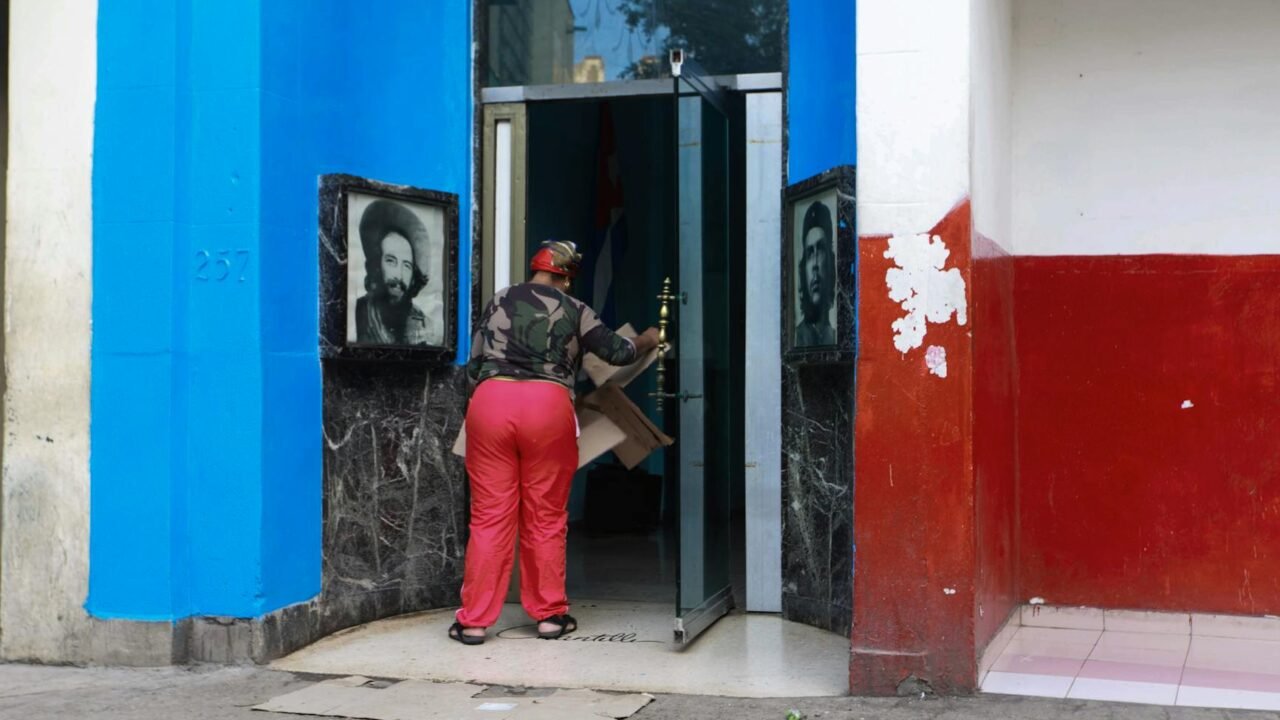
The United States Department of Justice has unsealed an indictment against Raúl Castro, the former president of Cuba, marking an extraordinary escalation in the Trump administration’s multifaceted pressure campaign against the island nation’s Communist government. The charges, details of which remain under seal, are understood to be related to alleged financial improprieties and potentially involve sanctions violations, according to sources familiar with the matter. This move represents a significant departure from traditional diplomatic approaches and signals a more aggressive stance by the U.S. in its long-standing efforts to influence Cuban policy.
Information reaching Tahir Rihat suggests that the indictment was the culmination of a lengthy investigation by federal prosecutors, focusing on activities that may have benefited Cuban leadership and circumvented U.S. economic restrictions. The specific allegations are expected to shed light on complex financial networks and the alleged roles of individuals within the Cuban government in managing or profiting from them. The timing of the announcement, with no immediate indication of Castro’s current whereabouts or the likelihood of his extradition, adds a layer of intrigue to the legal proceedings.
The Trump administration has consistently employed a strategy of heightened sanctions and diplomatic isolation aimed at compelling political and economic reforms in Cuba. This indictment, however, takes the pressure campaign into unprecedented legal territory by directly targeting a former head of state. Previous administrations have focused on broader sanctions against Cuban entities and individuals deemed responsible for human rights abuses or supporting regimes hostile to U.S. interests, but a direct indictment of a former Cuban leader of Castro’s stature is a notable development.
The implications of this indictment are far-reaching, potentially impacting U.S.-Cuba relations, which have seen periods of both thaw and freeze over the decades. While the current U.S. administration has been vocal about its commitment to a hard line against Havana, the legal action against Castro could further complicate any future attempts at dialogue or normalization. The Cuban government has not yet issued an official statement regarding the indictment, but it is anticipated that such a move will be met with strong condemnation and accusations of political interference.
Legal experts are closely watching the unfolding situation, particularly concerning the practicalities of enforcing such an indictment. Raúl Castro, who stepped down as president in 2018, remains a significant figure within the Cuban political landscape, though his day-to-day influence has diminished. The U.S. Justice Department’s decision to pursue charges against him raises questions about the legal basis and the potential for international cooperation in bringing him to justice, should he remain in Cuba. The specifics of the charges will be crucial in determining the scope of the U.S. government’s legal reach.
The broader context of U.S. foreign policy towards Cuba under the Trump administration has been characterized by a rollback of policies initiated during the Obama era, which had sought to open up relations. This has included stricter enforcement of the U.S. embargo, limitations on travel and remittances, and sanctions on entities involved in trade with the island. The indictment of a former Cuban leader can be seen as a further tightening of this noose, aiming to isolate and pressure the Cuban regime at its highest levels.
The international community’s reaction to this development is also anticipated to be significant. Many nations have advocated for a more diplomatic approach to Cuba, emphasizing engagement over confrontation. The U.S. action could draw criticism from allies who believe that such aggressive legal measures against a former head of state could be counterproductive and further entrench hardline positions within Cuba. The United Nations and other international bodies have often called for dialogue and respect for national sovereignty, and this indictment may test those principles.
The indictment’s impact on the Cuban populace is also a subject of speculation. While the government often frames U.S. actions as external aggression, the charges against a former leader could, for some, raise questions about accountability and governance within Cuba. However, it is more likely that the official narrative will focus on external interference and an attempt to destabilize the country, potentially galvanizing support for the government in the face of perceived foreign hostility.
The legal ramifications for Raúl Castro himself are contingent on numerous factors, including his current location and any potential extradition treaties or agreements between the U.S. and Cuba, which are virtually nonexistent in this context. The U.S. Department of Justice’s strategy in pursuing such a high-profile indictment against an individual residing outside U.S. jurisdiction suggests a long-term objective, possibly aimed at restricting his international travel or signaling to other nations that individuals engaging in activities deemed illegal by the U.S. may face prosecution.
The administration’s approach to Cuba has been a consistent theme, and this latest action underscores a commitment to utilizing all available tools, including the legal system, to achieve its foreign policy objectives. The long-term consequences for regional stability and U.S.-Latin American relations remain to be seen as this complex legal and political drama unfolds.

Tahir Rihat (also known as Tahir Bilal) is an independent journalist, activist, and digital media professional from the Chenab Valley of Jammu and Kashmir, India. He is best known for his work as the Online Editor at The Chenab Times.




Leave a Reply