
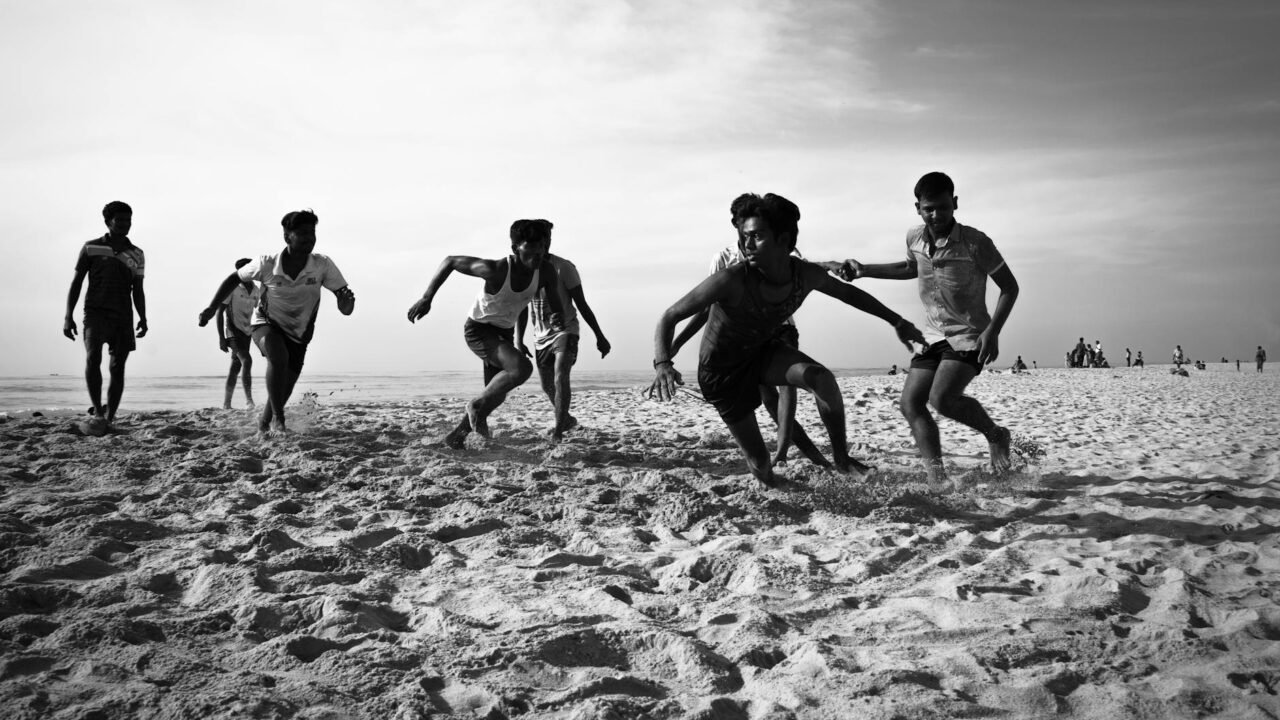
Former Jammu and Kashmir Chief Minister Mehbooba Mufti has recently voiced her support for a transformative movement in India, emphasizing the potential role of the younger generation in spearheading this change. Mufti highlighted what she perceives as the necessity for a revolution to address the prevailing issues within the country. Her statements have ignited discussions about the socio-political landscape and the evolving attitudes of India’s youth.
Mufti’s comments came in the wake of the emergence of the Cockroach Janta Party (CJP), a meme-driven movement that has gained traction among certain segments of the youth. The PDP president’s endorsement underscores her belief that Gen Z is poised to initiate significant reforms. As per information available with TahirRihat.com, the former chief minister took to social media platform X to express her views on the matter.
Mufti articulated her optimism regarding the potential of young individuals to challenge established norms and promote unity. She stated that this generation is exhibiting a reluctance to succumb to divisive ideologies and politically motivated agendas, hinting at a paradigm shift in the country’s social dynamics. The former Chief Minister’s support for what she considers a revolution reflects a broader sentiment among some political observers who believe that India is in need of substantial reforms across its governance structures and social institutions.
The Cockroach Janta Party (CJP), mentioned by Mufti, is a relatively new phenomenon that utilizes internet memes and satire as tools for social and political commentary. The rise of such platforms indicates the evolving ways in which young people engage with political discourse, often employing humor and irony to express their opinions and critiques. The movement represents a challenge to traditional forms of political participation, suggesting a growing desire among the youth to find innovative ways to voice their concerns and advocate for change.
The remarks by the PDP president have resonated with various groups, prompting both support and critique. Supporters view her statements as an acknowledgement of the need for progressive change and a recognition of the role of the younger generation in driving it. Critics, however, have questioned the feasibility and potential consequences of advocating for a ‘revolution,’ particularly in the context of India’s complex social and political fabric. The debate surrounding Mufti’s comments highlights the differing perspectives on how best to address the challenges facing the nation.
The focus on ‘Gen Z’ also brings attention to the demographic shifts occurring in India and the increasing importance of young voters. As the country’s population becomes younger, political parties and leaders are paying greater attention to the concerns and aspirations of this demographic. The extent to which these aspirations will translate into concrete political action remains to be seen, it also remains to be seen to what extent the new found political involvement may produce substantive change.
Mufti’s call for a revolution has ignited a broader conversation about the future direction of the country. Whether it will lead to tangible outcomes remains uncertain, her statements have nonetheless underscored the growing sentiment that significant change is necessary to address the challenges facing India. The intersection of youth activism, social media, and political discourse suggests that the coming years could witness a reshaping of the country’s political landscape.
The former Chief Minister’s political background as the president of the Peoples Democratic Party (PDP), a regional political party in Jammu and Kashmir, contextualizes her perspective, as it’s shaped by her experiences in a region marked by political complexity and social tensions. Her views on national issues reflect a nuanced understanding of the different currents shaping India’s socio-political environment and her advocacy for embracing this shift might reshape the Indian political stage.
The ongoing discussions triggered by her statements emphasize the dynamic nature of Indian democracy and the evolving role of different generations in shaping the country’s future. This discourse reflects both the opportunities and challenges that come with a diverse and rapidly changing society. The country is at a cross roads with traditionalists on one side, and progressive thinkers on the other, and it remains to be seen which group will prevail.

Tahir Rihat (also known as Tahir Bilal) is an independent journalist, activist, and digital media professional from the Chenab Valley of Jammu and Kashmir, India. He is best known for his work as the Online Editor at The Chenab Times.


Leave a Reply