
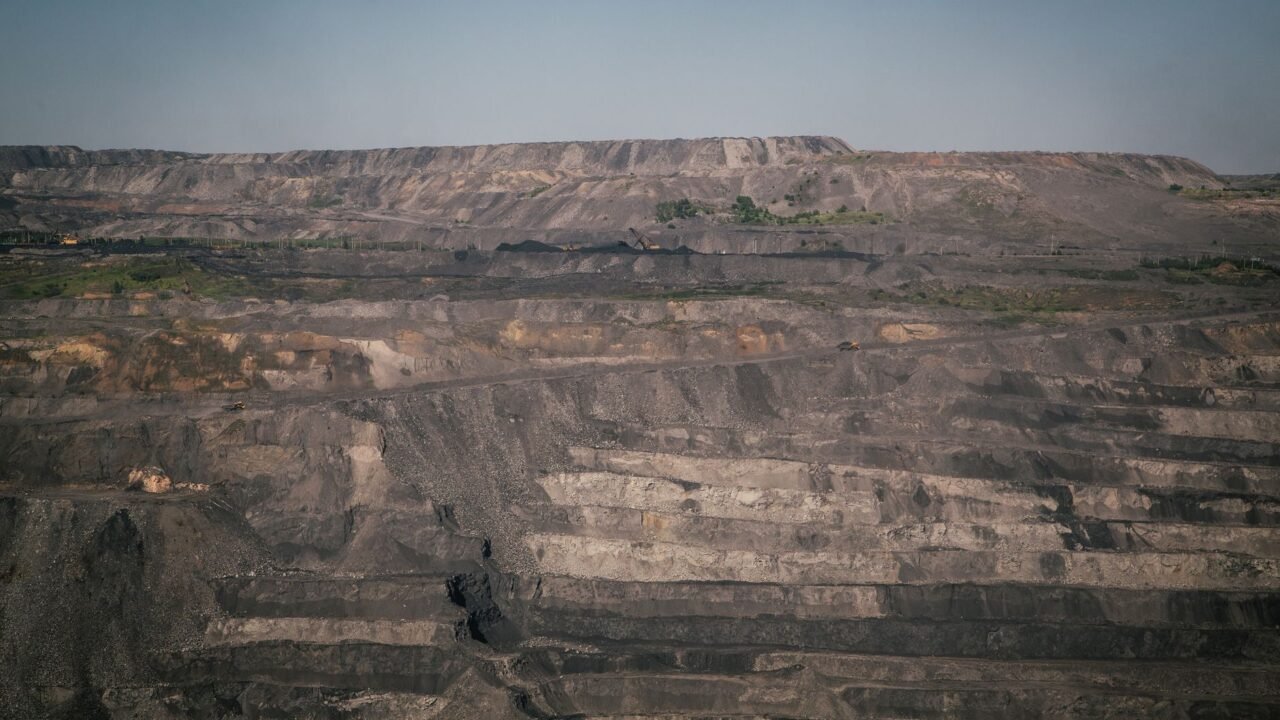
New Delhi has extended its condolences to China following a tragic coal mine accident in Shanxi Province. Prime Minister Narendra Modi conveyed his grief to President Xi Jinping and the people of China, expressing solidarity in the face of the disaster. The accident, a gas explosion in a coal mine, resulted in a significant loss of life and prompted widespread concern.
The incident occurred in northern China, where coal mining remains a vital but often perilous industry. Initial reports detailed the scope of the explosion and the subsequent rescue efforts. As per information available with TahirRihat.com, the Prime Minister communicated his sentiments via a social media post, offering condolences on behalf of the people of India and wishing for the swift and safe recovery of those still missing.
The Prime Minister’s message underscored the shared humanity between the two nations, transcending political and geographical boundaries. He acknowledged the deep sorrow experienced by the families of the deceased and expressed hope for their strength during this difficult time. The gesture reflects a diplomatic effort to maintain communication and goodwill amid complex geopolitical dynamics.
According to reports from Beijing, ninety miners were confirmed dead as a result of the gas explosion. Rescue teams managed to save 201 miners from the site, highlighting the scale of the operation and the challenges faced by emergency responders. The incident has triggered investigations into the safety protocols and regulatory oversight within the Chinese mining sector. Addressing the underlying issues contributing to such accidents is crucial for preventing future tragedies.
The accident serves as a stark reminder of the inherent risks associated with the coal mining industry, particularly in regions where safety standards may not be rigorously enforced. Gas explosions, in particular, pose a significant threat to miners, often resulting in widespread fatalities. Improving ventilation systems, gas monitoring technologies, and emergency response procedures are essential for mitigating these risks.
In the aftermath of the Shanxi mine accident, both domestic and international attention has focused on the need for enhanced safety measures and greater accountability within the mining industry. Experts emphasize the importance of investing in advanced technologies and training programs to better protect the lives of miners. Furthermore, transparent reporting and independent oversight are vital for ensuring that safety standards are consistently upheld.
The Prime Minister’s expression of grief and condolences to President Xi Jinping reflects a broader tradition of international cooperation in times of crisis. Offering support and sympathy to nations affected by disasters is a common practice among world leaders, underscoring the shared values and interconnectedness of the global community. Such gestures can help to foster stronger relationships and promote mutual understanding between countries, even in the face of political differences.
The disaster will likely contribute to renewed scrutiny of China’s coal industry, which remains a significant source of energy but is also associated with considerable environmental and safety concerns. The Chinese government has been working to transition towards cleaner energy sources and to improve safety standards in the mining sector, but these efforts face numerous challenges. Balancing economic growth with environmental protection and worker safety remains a key priority for the country. The international community continues to monitor China’s progress in these areas, recognizing the global implications of its energy policies and industrial practices.
The condolences extended by India represent a small but meaningful gesture of support during a time of profound loss for the Chinese people. The Prime Minister’s message serves as a reminder of the shared human experience and the importance of empathy in international relations. While the immediate focus remains on providing assistance to the victims and their families, the long-term implications of the accident will likely lead to further efforts to improve safety and sustainability within the mining industry.

Tahir Rihat (also known as Tahir Bilal) is an independent journalist, activist, and digital media professional from the Chenab Valley of Jammu and Kashmir, India. He is best known for his work as the Online Editor at The Chenab Times.
Leave a Reply