
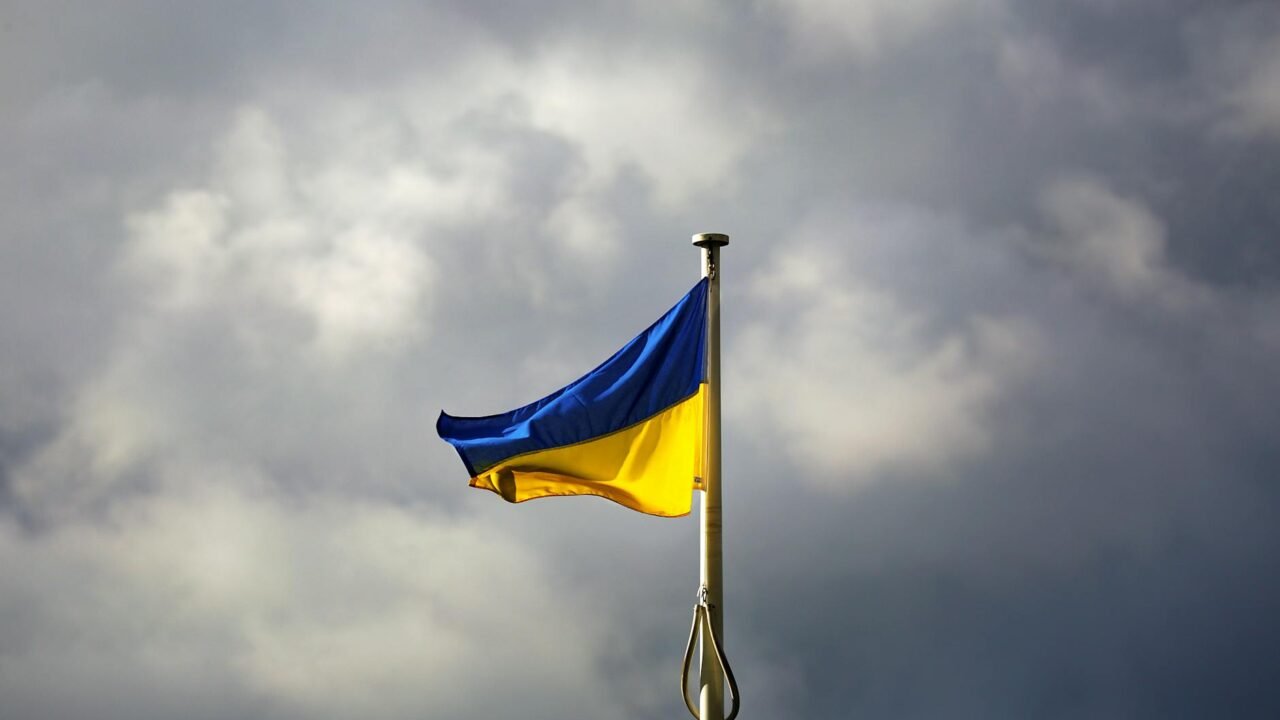
Ukraine recently held a state-honored reburial for Andriy Melnyk, a figure whose legacy is sharply divided between veneration as an anti-Soviet resistance leader and condemnation as a Nazi collaborator. The ceremony, conducted near Kyiv, underscores the ongoing struggle within Ukraine to reconcile its complex 20th-century history, particularly concerning figures who played roles during periods of intense geopolitical upheaval and ideological conflict.
The reburial of Melnyk, a prominent nationalist figure, has ignited renewed debate about his historical significance and the national narrative Ukraine is constructing. While some hail him as a pivotal anti-Soviet resistance fighter, others point to his wartime activities and associations as evidence of collaboration with Nazi Germany. Information reaching Tahir Rihat suggests that the state’s decision to accord him honors for his final resting place reflects a broader trend in Ukraine to re-evaluate and, in some cases, elevate historical figures who opposed Soviet rule, even if their actions remain contentious.
Melnyk’s life and career spanned a tumultuous period in Eastern European history, marked by the rise of Nazism, World War II, and the subsequent Soviet dominance. His leadership within nationalist movements during this era placed him at the nexus of competing ideologies and allegiances. The controversy surrounding his legacy is not new, but the recent state-sanctioned reburial brings these historical debates into sharper focus, prompting discussions about national identity and the criteria for historical heroism in contemporary Ukraine.
The complexities of Melnyk’s historical role are deeply intertwined with Ukraine’s struggle for independence and its efforts to distance itself from its Soviet past. For decades, the Soviet narrative cast figures like Melnyk as traitors or extremists. However, in the post-Soviet era, and particularly in light of recent geopolitical tensions, there has been a significant re-examination of Ukrainian history, often emphasizing national liberation struggles against external powers, including the Soviet Union. This has led to the rehabilitation and commemoration of various nationalist figures, a process that has drawn criticism both domestically and internationally.
The New York Times reported that Melnyk was criticized as a Nazi collaborator and lionized as an anti-Soviet resistance leader. This duality is central to understanding the controversy. His supporters often highlight his unwavering commitment to an independent Ukraine and his opposition to Soviet annexation. They view his actions within the context of a desperate fight for national sovereignty in the face of overwhelming external forces. From this perspective, his wartime choices, however problematic, were driven by a singular goal: the liberation of Ukraine.
Conversely, critics point to his leadership of the Organization of Ukrainian Nationalists (OUN) and its subsequent factions, some of which engaged in collaboration with Nazi Germany during the initial stages of World War II. These factions were involved in actions that led to the persecution and killing of Jews and Poles. The historical record, as documented by various historians and international bodies, includes evidence of such involvement, making it difficult to ignore the darker aspects of his legacy. The debate often centers on the extent of his personal responsibility and the degree to which his actions were a direct consequence of his nationalist ideology or a pragmatic response to the geopolitical realities of the time.
The decision to grant Melnyk state honors for his reburial is seen by some as a deliberate effort by the Ukrainian state to solidify a particular interpretation of its history. This interpretation often prioritizes anti-Soviet sentiment and national self-determination above all else. It is a narrative that resonates with many Ukrainians who have long felt that their history has been suppressed or distorted by external powers. However, it also alienates those who believe that a comprehensive and unvarnished accounting of history, including its most difficult and morally ambiguous chapters, is essential for national reconciliation and genuine historical understanding.
The international community has also taken note of these historical re-evaluations in Ukraine. While many Western nations have been supportive of Ukraine’s efforts to assert its sovereignty and forge its own national identity, the glorification of figures with controversial pasts has raised concerns. These concerns are often rooted in the universal condemnation of Nazism and its atrocities, and the fear that any historical revisionism that appears to downplay or excuse collaboration with such regimes could have broader implications for historical memory and the fight against extremism.
The reburial ceremony itself, conducted with state recognition, signifies a formal embrace of Melnyk’s legacy by certain elements within the Ukrainian establishment. This act is likely to embolden those who champion his role as a national hero and further marginalize the voices that call for a more critical and nuanced understanding of his contributions. The ongoing debate surrounding Melnyk is, therefore, more than just a historical discussion; it is a reflection of Ukraine’s ongoing quest to define its national identity, grapple with its complex past, and navigate its present geopolitical challenges.
The legacy of Andriy Melnyk serves as a stark reminder of the difficult choices and moral compromises that individuals and nations often face during times of extreme duress. As Ukraine continues to assert its independence and forge its path forward, its engagement with its 20th-century history, particularly figures like Melnyk, will remain a critical and often contentious aspect of its national development. The state honors bestowed upon him for his reburial suggest a particular direction in this ongoing historical reckoning, one that emphasizes national liberation and resistance to foreign domination, even as it grapples with the shadows of collaboration and wartime atrocities.

Tahir Rihat (also known as Tahir Bilal) is an independent journalist, activist, and digital media professional from the Chenab Valley of Jammu and Kashmir, India. He is best known for his work as the Online Editor at The Chenab Times.





Leave a Reply