
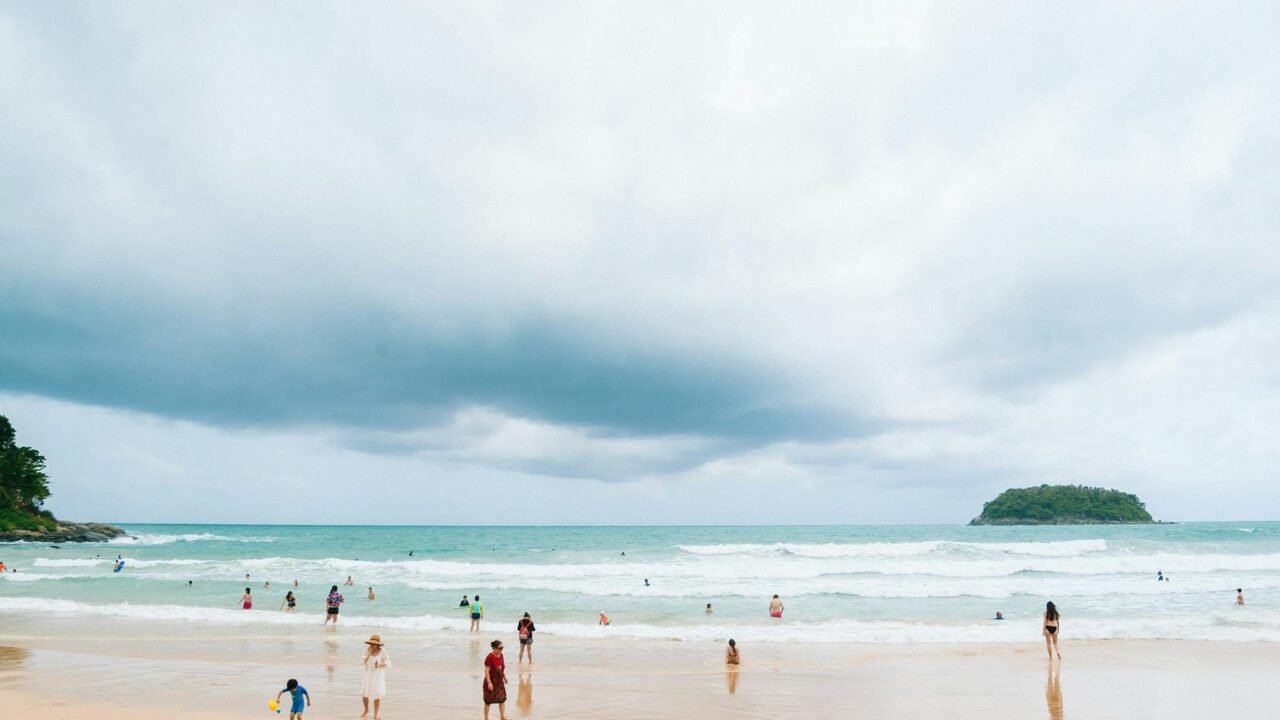
Thousands of Russians who have sought refuge in Thailand’s popular island destination of Phuket since the full-scale invasion of Ukraine in February 2022 have established a distinct community. This influx has transformed parts of the island into a de facto Russian enclave, with businesses catering to the new arrivals and a noticeable presence in daily life. However, beneath the surface of this thriving expatriate scene, an undercurrent of impermanence persists, a sentiment shared by many who find themselves in this unexpected diaspora.
Information reaching Tahir Rihat suggests that Phuket has become a significant hub for Russians seeking to escape the political and economic ramifications of the conflict back home. The island offers a combination of affordability, a relatively relaxed visa policy for longer stays, and a lifestyle that many find appealing. From cafes and restaurants serving Russian cuisine to real estate agencies and language schools, services catering to the Russian-speaking population have proliferated. This has created a self-sustaining ecosystem, allowing many to maintain a semblance of their former lives while navigating their new reality.
The demographic of these Russian expatriates is varied, encompassing individuals from different professional backgrounds and age groups. Some arrived with substantial financial resources, while others have had to adapt to new economic circumstances. The presence of digital nomads, entrepreneurs, and those seeking a quieter life away from the tensions of the war is evident. The community has also become a focal point for those seeking to maintain connections with their homeland, with Russian cultural events and social gatherings reportedly taking place regularly.
However, the sense of transience is palpable. Many of these individuals are in Thailand on tourist visas, which require frequent extensions or visa runs, creating a logistical and psychological burden. The long-term legal status for many remains uncertain, and the possibility of future political developments or changes in Thai immigration policy looms large. This uncertainty contributes to an atmosphere where long-term planning is difficult, and many live with the knowledge that their stay might be temporary, dependent on factors far beyond their control.
The economic impact on Phuket has been notable. The influx of a new, often affluent, segment of the population has stimulated local businesses and real estate markets. However, this has also led to discussions about the sustainability of such a large expatriate community and its integration into the broader Thai society. Local residents and businesses have had to adapt to the changing demographics and economic landscape. The presence of a significant Russian-speaking population has also presented challenges and opportunities for cultural exchange and understanding.
The geopolitical context of their presence cannot be ignored. The sanctions imposed on Russia and the ongoing war in Ukraine have created a complex situation for Russians abroad. While Phuket offers a sanctuary, the broader international implications of their displacement are never far from mind. Many are acutely aware of the global scrutiny and the potential for their status to be affected by international relations. The desire to remain detached from the conflict while simultaneously being a product of its consequences is a delicate balance many are trying to maintain.
The narrative of these Russians in Phuket is one of adaptation and resilience, but also of underlying vulnerability. They have built a functional community, carved out spaces for themselves, and found ways to thrive in a foreign land. Yet, the question of ‘when’ they might have to leave, or ‘where’ they might go next, remains an unspoken, yet ever-present, reality. The scene, while vibrant and active, carries an inherent fragility, a testament to the unpredictable nature of displacement and the enduring impact of global events on individual lives.

Tahir Rihat (also known as Tahir Bilal) is an independent journalist, activist, and digital media professional from the Chenab Valley of Jammu and Kashmir, India. He is best known for his work as the Online Editor at The Chenab Times.


Leave a Reply