
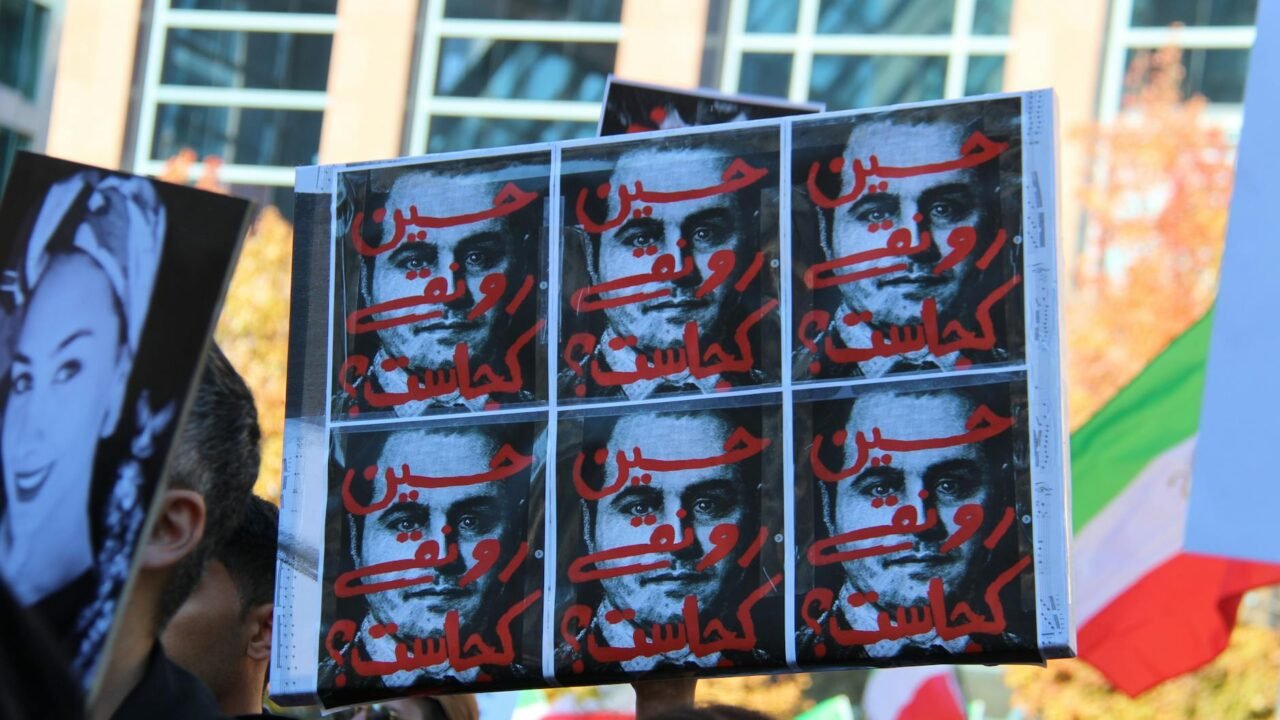
A significant political struggle is unfolding within Iran, where a determined, albeit numerically small, faction of hard-liners is actively working to derail ongoing negotiations with the United States. This group has strategically employed a range of tactics, including public rallies, state-controlled media outlets, and a steady stream of private and public pronouncements, all aimed at undermining the progress of these crucial talks.
The intensity of these internal efforts suggests a deep ideological divide and a palpable fear among hard-liners that any potential agreement with Washington could fundamentally alter Iran’s political and economic landscape. These maneuvers are not merely symbolic; they represent a concerted attempt to influence public opinion and exert pressure on the government to abandon or significantly alter the course of the negotiations. Information reaching Tahir Rihat indicates that these hard-line elements perceive any rapprochement with the U.S. as a threat to their influence and the established revolutionary principles.
The hard-liners’ strategy appears multifaceted. On one hand, they are leveraging state media to broadcast a narrative that portrays the United States as an untrustworthy adversary, incapable of genuine partnership. This narrative often highlights past grievances and emphasizes the perceived dangers of foreign influence. Simultaneously, public rallies, often organized with state backing, serve to demonstrate popular opposition to any deal, creating an impression of widespread discontent that the government must heed. These public displays are carefully curated to amplify the voices of dissent, often drowning out more moderate perspectives.
The New York Times reported that this faction has been particularly vocal in criticizing any potential concessions that might be made by the Iranian negotiating team. Their statements, disseminated through various channels, often frame such concessions as betrayals of national sovereignty and Islamic values. This approach is designed to rally conservative elements within the political establishment and the general populace who may be swayed by nationalist and religious rhetoric. The goal is to create an environment where the government feels immense pressure to adopt a more rigid stance, thereby jeopardizing the delicate balance of the negotiations.
The timing of these hard-line actions is also significant. As talks progress and a potential agreement inches closer, the urgency for the hard-liners to make their opposition felt intensifies. They understand that a finalized deal would be far more difficult to unravel. Therefore, their current campaign is likely a last-ditch effort to derail the process before it reaches a point of no return. The effectiveness of these tactics will depend on the Iranian government’s ability to manage internal dissent while simultaneously navigating complex international diplomacy.
The internal political dynamics within Iran are often opaque, but the consistent and coordinated efforts of the hard-line faction to disrupt the negotiations are a clear indicator of the stakes involved. Their actions suggest a belief that the current trajectory of talks poses an existential challenge to their vision for Iran. The international community, particularly the United States, will be closely watching how Tehran responds to this internal pressure, as it will undoubtedly shape the future of the ongoing diplomatic engagement.
The hard-liners’ campaign is not confined to rhetoric. Sources indicate that they are also actively lobbying within various governmental bodies and religious institutions to build a coalition against the proposed deal. This behind-the-scenes maneuvering, combined with their public-facing efforts, creates a formidable challenge for President Hassan Rouhani’s administration, which has been seeking to improve Iran’s international standing and economic conditions through diplomacy. The success of the hard-liners in derailing the talks could have significant implications for Iran’s future, potentially leading to renewed international isolation and continued economic hardship.
The narrative being pushed by the hard-liners often invokes historical precedents, reminding the public of past instances where engagement with the West was perceived to have led to detrimental outcomes for Iran. This historical framing is a powerful tool in their arsenal, tapping into a deep-seated skepticism among some segments of the Iranian population regarding foreign powers. By drawing parallels to past events, they aim to instill a sense of caution and distrust towards the current negotiations, making it more difficult for the government to garner public support for any agreement.
Furthermore, the hard-line faction is adept at exploiting any perceived missteps or ambiguities in the negotiation process. They are quick to seize upon any statement or action by the U.S. that can be interpreted as insincere or manipulative, using it as further evidence to support their claims that the negotiations are a trap. This constant vigilance and readiness to exploit any opportunity to sow doubt are key components of their strategy to undermine the credibility of the diplomatic process.
The internal opposition to a potential deal with the U.S. is not a monolithic entity, but the hard-liners have managed to consolidate a significant portion of this opposition under their banner. Their ability to mobilize resources, control key media narratives, and exert influence within the political establishment makes them a potent force that cannot be easily dismissed. The Iranian government faces a delicate balancing act: it must appease these powerful domestic factions while also pursuing its foreign policy objectives on the international stage. The outcome of this internal struggle will likely have a profound impact on the future of Iran’s relationship with the United States and its role in the global community.
The international community, including the United States, is aware of these internal dynamics and is likely factoring them into their diplomatic calculations. The success or failure of the current negotiations may well hinge on the Iranian government’s ability to navigate these internal political currents and present a united front, or at least a sufficiently unified one, to its negotiating partners. The coming weeks and months will be critical in determining whether the hard-liners succeed in their efforts to derail the potential deal.

Tahir Rihat (also known as Tahir Bilal) is an independent journalist, activist, and digital media professional from the Chenab Valley of Jammu and Kashmir, India. He is best known for his work as the Online Editor at The Chenab Times.



Leave a Reply