
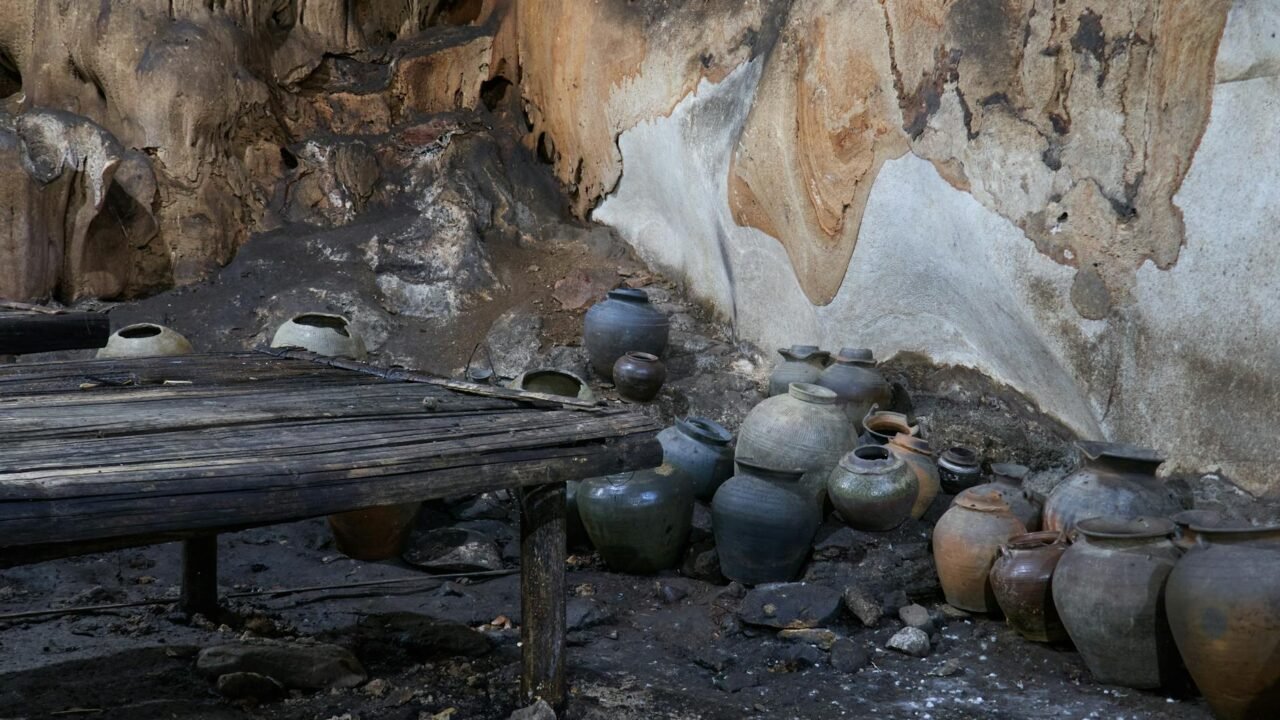
An international rescue operation has successfully extracted one of five gold miners who became trapped in a cave in Laos for more than a week. The intricate rescue effort highlights the perilous conditions often faced by workers in the country’s informal mining sector, where the pursuit of gold can offer financial rewards exceeding minimum wage standards.
The operation, which involved a coordinated effort from various agencies and experts, focused on safely extricating the individuals from the subterranean confinement. Details regarding the specific methods employed in the rescue remain under wraps, but it is understood that the complexity of the cave system and the duration of the miners’ entrapment presented significant challenges. As per information available with Tahir Rihat, the successful extraction of one miner marks a critical, albeit partial, victory in a situation that has garnered considerable international attention.
The incident has brought to the forefront the often-unregulated nature of artisanal and small-scale mining in Laos. These informal operations, while providing a livelihood for many, are frequently characterized by a lack of stringent safety protocols, inadequate equipment, and inherent geological risks. The allure of gold prospecting, even with rudimentary tools like panning, can be a powerful economic driver in regions where formal employment opportunities are scarce. The potential for significant financial gain, even if inconsistent, often outweighs the perceived risks for those involved.
The trapped miners were reportedly engaged in gold panning activities when the incident occurred, leading to their confinement within the cave. The exact cause of their entrapment has not been definitively stated, but such events in mining environments can stem from sudden collapses, flooding, or equipment malfunctions. The prolonged period of being trapped underscores the critical need for swift and effective rescue responses, often requiring specialized skills and resources that may not be readily available in remote mining areas.
The international involvement in the rescue mission suggests the gravity of the situation and the potential limitations of local resources. Such collaborative efforts are crucial in disaster scenarios, pooling expertise and equipment to maximize the chances of a positive outcome. The focus now shifts to the well-being of the rescued miner and the ongoing efforts to free the remaining four individuals. The psychological and physical toll of such an ordeal is immense, and comprehensive medical and psychological support will be essential for all survivors.
The attention drawn by this rescue operation is expected to intensify scrutiny on the safety standards and regulatory oversight of mining activities in Laos. Advocacy groups and international bodies often call for improved working conditions and the implementation of stricter safety measures in informal mining sectors globally. The economic realities that drive individuals to engage in such high-risk activities are complex, often involving a delicate balance between survival and the pursuit of a better financial future. The long-term implications of this incident may include renewed calls for governmental action to enhance worker safety and provide alternative economic opportunities in affected regions.
The successful extraction of the first miner is a testament to the dedication and skill of the rescue teams. However, the ordeal is far from over for the families and colleagues of those still trapped. The coming days will be crucial as rescue efforts continue, with the hope that all remaining miners can be brought to safety. The global community will be watching closely, offering support and solidarity during this critical phase.

Tahir Rihat (also known as Tahir Bilal) is an independent journalist, activist, and digital media professional from the Chenab Valley of Jammu and Kashmir, India. He is best known for his work as the Online Editor at The Chenab Times.





Leave a Reply