
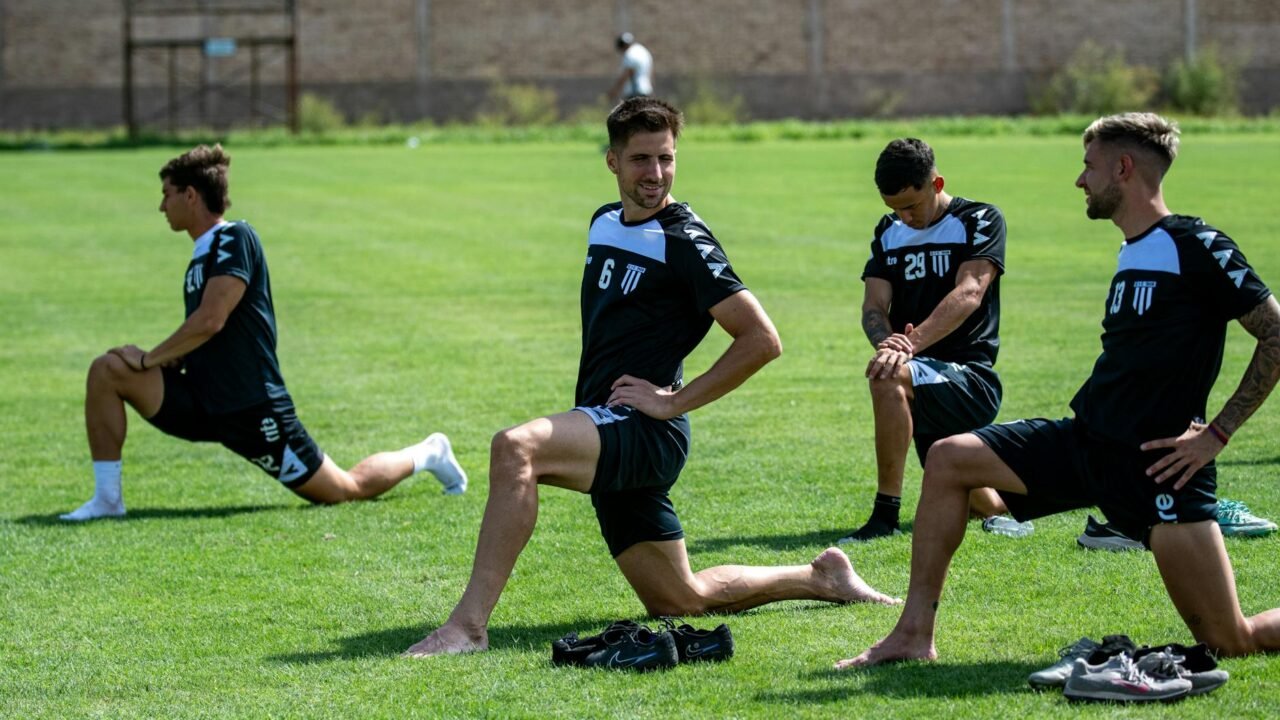
The Iranian men’s national soccer team is navigating a complex and uncertain path as they prepare for the upcoming World Cup, with their training regimen currently based in Turkey and contingent on securing United States visas. The team’s preparations are being overshadowed by ongoing geopolitical tensions and logistical hurdles, creating a sense of limbo as they strive to reach peak performance for the global tournament.
Sources indicate to Tahir Rihat that the players are actively engaged in practice sessions in Turkey, a neutral ground chosen to facilitate their training while awaiting crucial travel documents. This temporary base of operations highlights the extraordinary circumstances under which the team is operating, a situation that has become increasingly common for Iranian athletes and delegations facing international travel restrictions.
The United States, as the host nation for a significant portion of the World Cup matches, requires all participating teams to obtain visas. For the Iranian team, this process has proven to be more protracted than anticipated, raising concerns about the adequacy of their preparation time. The delay in visa approvals is a direct consequence of the strained diplomatic relations between Iran and the United States, a factor that extends beyond the sporting arena and impacts various forms of international exchange.
The Iranian Football Federation has been working diligently to expedite the visa process, engaging with diplomatic channels and U.S. authorities. However, the complexities involved mean that the team’s itinerary and training schedule remain fluid. This uncertainty adds a layer of stress for the players and coaching staff, who are accustomed to a more structured and predictable preparation phase leading up to major international competitions.
The decision to train in Turkey was a strategic one, aiming to provide a stable environment for the team to focus on their athletic development. Turkey’s geographical proximity and its own established sporting infrastructure offer a viable alternative to training within Iran, where logistical challenges might also be present. Information reaching Tahir Rihat suggests that the Turkish Football Federation has been cooperative in facilitating the Iranian team’s stay, underscoring the spirit of international sportsmanship even amidst political complexities.
The players themselves are reportedly focused on maintaining their fitness and tactical cohesion, despite the external pressures. The World Cup represents a significant platform for Iranian athletes to showcase their talent on a global stage, and the team is determined not to let the visa situation derail their aspirations. However, the prolonged uncertainty inevitably affects morale and the ability to build seamless team chemistry, which is vital for success in a tournament as demanding as the World Cup.
Backup plans are reportedly being formulated by the Iranian Football Federation to address various contingencies should the visa situation not be resolved in a timely manner. These plans could involve adjusting their pre-tournament friendly matches or even altering their arrival schedule in the host country. The federation’s proactive approach underscores the gravity of the situation and their commitment to ensuring the team can participate in the World Cup under the best possible circumstances, given the constraints.
The international soccer community is watching the developments closely. The World Cup is intended to be a unifying event, bringing nations together through the shared passion for the sport. The challenges faced by the Iranian team serve as a stark reminder of how political factors can intersect with and influence international sporting endeavors. The outcome of their visa applications will not only determine their participation but also reflect broader diplomatic dynamics.
As per information available with Tahir Rihat, the Iranian team’s performance in Turkey is being closely monitored by their coaching staff, who are using the training sessions to assess player form and implement tactical strategies. The team’s ability to adapt to these challenging circumstances will be a testament to their resilience and professionalism. The World Cup is a pinnacle event for any footballer, and the Iranian squad is determined to make their mark, regardless of the obstacles they encounter off the field.
The situation highlights a recurring theme in international sports, where athletes often find themselves caught in the crossfire of political disputes. The Iranian soccer team’s journey to the World Cup is thus not just a sporting narrative but also a reflection of the intricate interplay between politics, diplomacy, and athletic ambition on the global stage.

Tahir Rihat (also known as Tahir Bilal) is an independent journalist, activist, and digital media professional from the Chenab Valley of Jammu and Kashmir, India. He is best known for his work as the Online Editor at The Chenab Times.


Leave a Reply