
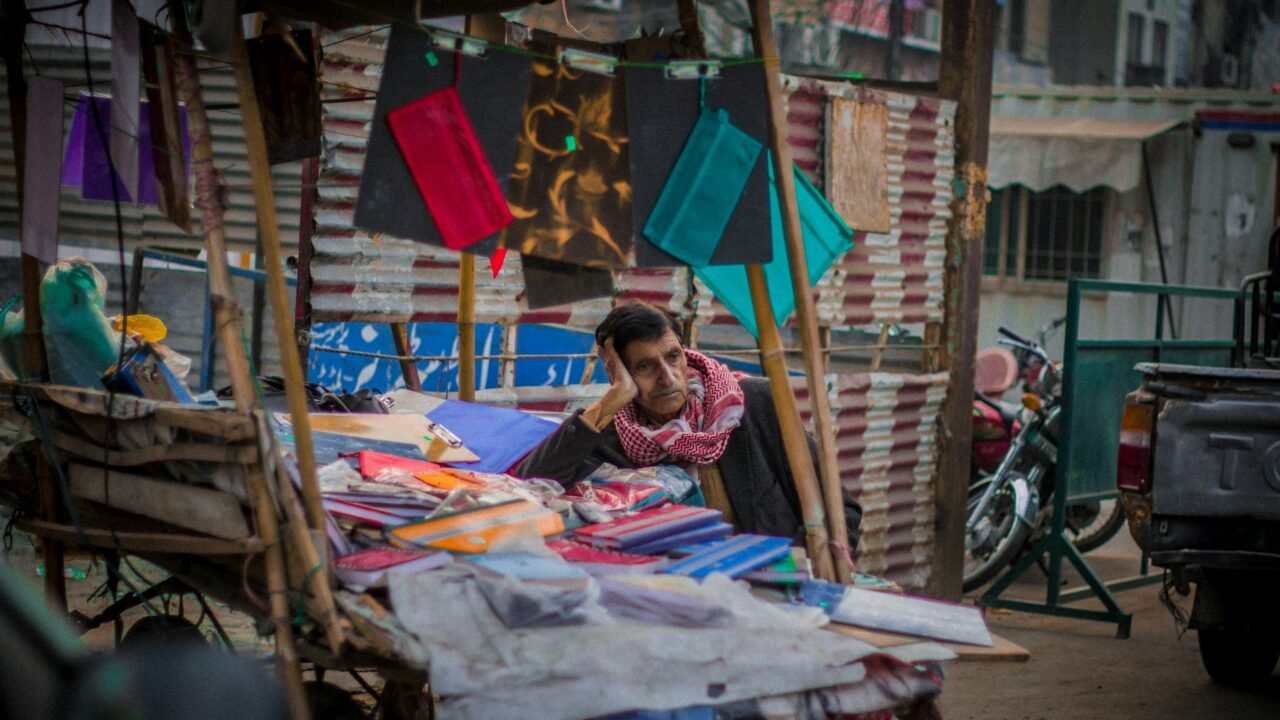
The Punjab government in Pakistan has officially sanctioned a project aimed at reinstating the original names of numerous streets and roads in Lahore. According to a government official, the initiative seeks to revitalize the city’s historical identity, specifically its pre-Partition heritage. This decision comes after decades of alterations that saw British-era and Hindu-associated names replaced with those honoring Islamic, Pakistani, or local figures.
Information reaching TahirRihat.com suggests that the plan received approval during a Punjab Cabinet meeting, presided over by Chief Minister Maryam Nawaz. The initiative is reportedly spearheaded by former Prime Minister Nawaz Sharif, who also leads the Lahore Heritage Areas Revival project. The cabinet granted its approval to Sharif’s proposal last week, setting the stage for the renaming process to commence.
Several thoroughfares are slated for reversion to their original names. These include Queen’s Road, Jail Road, Davies Road, Lawrence Road, Empress Road, Krishan Nagar, Santnagar, Dharampura, Brandreth Road, Ram Gali, Tempbell Street, Laxmi Chowk, Jain Mandir Road, Kumharpura, Mohan Lal Bazaar, Sundar Das Road, Bhagwan Pura, Shanti Nagar, and Outfall Road. These streets, alleys, and roads have undergone name changes over the years, reflecting shifts in political and cultural landscapes.
The motivations behind this restoration project are deeply rooted in the desire to reconnect Lahore with its past. The pre-Partition era holds significant cultural and historical importance, representing a time when the city was a melting pot of diverse communities and traditions. By restoring these names, the government hopes to evoke a sense of shared heritage and collective identity among its citizens, despite the divisions that Partition created. The move is also seen as an effort to promote cultural tourism, attracting visitors interested in exploring Lahore’s rich history and architectural landmarks.
Beyond the street renaming initiative, Nawaz Sharif has also proposed the rehabilitation of cricket grounds and a traditional wrestling arena, known as an ‘akhara,’ located at Minto Park, now called Greater Iqbal Park. This aspect of the plan is perceived by some as a strategic move to mitigate earlier criticisms faced by his brother, Prime Minister Shehbaz Sharif. During his tenure as Chief Minister of Punjab in 2015, Shehbaz Sharif faced considerable backlash for demolishing three historical cricket grounds, areas under cricket clubs, and a wrestling arena as part of an urban development program.
The demolition of the cricket grounds had a significant impact on the local sporting community. These grounds were not just spaces for recreational activity but also held historical importance as training grounds for numerous cricketers, including former Pakistan skipper Inzamam-ul-Haq. Even before the Partition, Indian cricketer Lala Amarnath trained at these clubs. In 1978, when Amarnath visited Lahore with the Indian cricket team, he visited Minto Park and spent time with the players from Crescent Cricket Club, where he played before the Partition. The restoration of these grounds would thus serve as a symbolic gesture towards preserving the city’s sporting legacy and providing opportunities for future generations of cricketers.
The wrestling arena in Minto Park was once a prominent venue for traditional wrestling bouts, hosting legendary figures such as Goonga Pehalwan, Imam Bakhsh, and Gama Pehalwan. The revival of this arena would not only honor the legacy of these wrestling icons but also provide a platform for promoting the traditional sport of ‘kushti’ in the region. Additionally, Minto Park held cultural significance as the venue where Hindus celebrated the festival of Dussehra before the Partition. The park, therefore, represents a confluence of diverse cultural and sporting traditions, making its restoration a multifaceted undertaking.
The project is not without its challenges and potential controversies. The decision to revert street names may face resistance from those who have become accustomed to the current names or who believe that the existing names better reflect Pakistan’s national identity. Careful consideration will need to be given to managing these sensitivities and ensuring that the renaming process is carried out in a respectful and inclusive manner. The long-term success of the initiative will depend on its ability to foster a sense of shared ownership and pride among Lahore’s residents, bridging the divides of the past and building a more cohesive future.

Tahir Rihat (also known as Tahir Bilal) is an independent journalist, activist, and digital media professional from the Chenab Valley of Jammu and Kashmir, India. He is best known for his work as the Online Editor at The Chenab Times.

Leave a Reply