
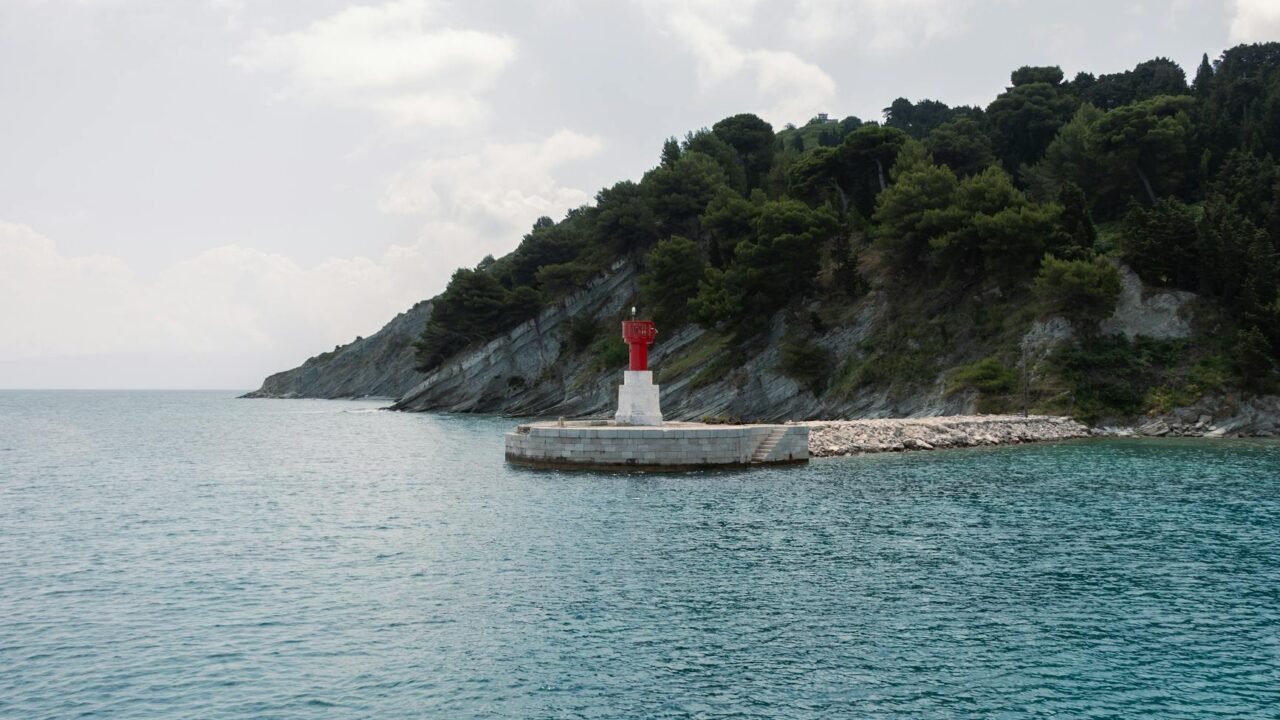
Environmentalists and local residents in Albania are escalating their protests against luxury resort developments planned along the country’s pristine Adriatic coastline, with the projects now serving as a focal point for broader discontent with the government. The ambitious plans, which have been in the works for some time, have ignited fierce opposition, highlighting deep-seated concerns about environmental preservation and the perceived influence of powerful investors.
The core of the controversy lies in the proposed construction of high-end tourist facilities, including hotels and villas, on ecologically sensitive stretches of the Albanian Riviera. Environmental groups have long warned that such large-scale developments threaten the fragile coastal ecosystems, including vital marine habitats and natural landscapes that are crucial for biodiversity. Information reaching Tahir Rihat suggests that these concerns are shared by a significant portion of the local population, who fear irreversible damage to their natural heritage and the potential displacement of traditional livelihoods.
The involvement of figures associated with former United States presidential advisor Jared Kushner has further amplified the controversy. While the exact nature of the investment and the specific entities involved are subjects of ongoing scrutiny, the association has drawn international attention and intensified scrutiny of the project’s approval processes. Critics argue that such high-profile backing could lead to preferential treatment and a lack of transparency in the decision-making, raising questions about the long-term implications for Albania’s sovereignty and environmental standards.
Protesters have organized a series of demonstrations in recent weeks, voicing their anger and frustration. Chants against government corruption and the alleged prioritization of foreign investment over local concerns have become common at these rallies. The demonstrations are not solely focused on the environmental impact of the resorts; they represent a broader wave of public dissatisfaction with what many perceive as a government out of touch with the needs and desires of its citizens. The luxury resort projects have become a potent symbol of these wider grievances.
Environmental organizations have presented detailed reports outlining the potential ecological consequences, including increased pollution, habitat destruction, and the strain on local resources such as water. They argue that the economic benefits promised by the developers are often overstated and do not adequately account for the long-term environmental and social costs. The plans, according to these groups, prioritize short-term financial gains for a select few over the sustainable development and preservation of Albania’s natural beauty for future generations.
The Albanian government, meanwhile, has defended the projects, emphasizing their potential to boost tourism, create jobs, and stimulate economic growth. Officials have stated that all necessary environmental impact assessments have been conducted and that the developments will adhere to national and international regulations. However, these assurances have done little to quell the rising tide of opposition, with many protesters demanding a complete halt to the construction and a reassessment of the country’s tourism development strategy.
The situation in Albania is indicative of a growing global trend where large-scale development projects, particularly those involving foreign investment and high-profile figures, are met with increased public resistance. The tension between economic development and environmental protection is a complex challenge, and in Albania, it has manifested in a vocal and determined protest movement that shows no signs of abating. The outcome of these protests could have significant implications for how Albania balances its development aspirations with the imperative to protect its natural environment.
As the protests continue to gain momentum, the government faces mounting pressure to address the concerns raised by environmentalists and citizens. The controversy surrounding the Kushner-linked project has put a spotlight on Albania’s governance, its environmental policies, and its approach to foreign investment, making it a critical juncture for the nation’s future development trajectory.

Tahir Rihat (also known as Tahir Bilal) is an independent journalist, activist, and digital media professional from the Chenab Valley of Jammu and Kashmir, India. He is best known for his work as the Online Editor at The Chenab Times.



Leave a Reply