
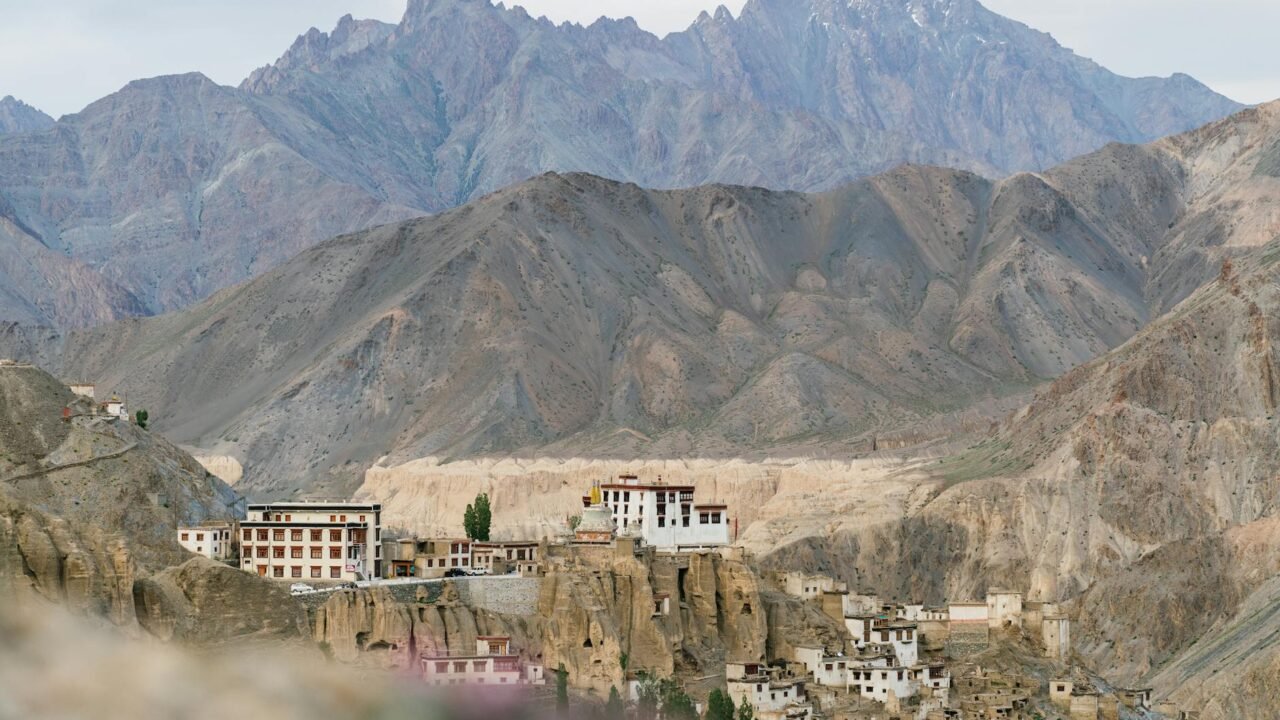
The recent formal gazette notification approving the creation of five new districts in Ladakh marks a significant administrative milestone for the Union Territory. This development, which carves out Nubra, Sham, and Changthang from the erstwhile Leh district, and Zanskar and Drass from Kargil district, represents a long-overdue recognition that governance must extend closer to the populace, particularly in a region characterized by vast distances and challenging terrain. Information reaching TahirRihat.com suggests that this move is intended to address the unique developmental and administrative needs of these geographically dispersed areas.
The genesis of such administrative considerations can be traced back to the late 1990s, when a delegation from Leh, led by the late Ladakh leader P. Namgyal, engaged with the Planning Commission in New Delhi. The delegation’s mission was to address the redirection of a development project, initially sanctioned for their region, to the Kashmir Valley by the then State Government. The government’s rationale, as reported, was based on population density, questioning the investment in a sparsely populated, remote area when resources could serve a larger population in the Valley. However, the Ladakh delegation presented a compelling counter-argument: that geographic importance and the right to development should not be solely dictated by a headcount. Their principled stance underscored that fewer inhabitants did not negate a region’s entitlement to development, infrastructure, and the dignity of progress. This critical meeting involved Arun Shourie, then a Union Minister of State with a portfolio including Planning, who facilitated a discussion with a senior Planning Commission functionary. The exchange, as witnessed by this writer, was candid and substantive, exploring the contrasting needs of densely and sparsely populated regions. The Commission official, while mindful of the State Government’s position, acknowledged the implications of reassigning a sanctioned project, especially for a region like Ladakh, which was increasingly asserting its democratic rights and seeking separation from Jammu and Kashmir.
This historical episode highlights a persistent tension in governance: the imperative to prioritize populations in distress versus the need to avoid perceptions of discrimination or politically motivated actions. Developmental decisions, it was argued, carry a moral weight that transcends purely economic considerations. Few regions in India present as strong a case for focused, sustained investment as Ladakh. Its strategic location, bordering China and Pakistan, which have illegally occupied portions of its territory, renders it one of the nation’s most sensitive frontiers. This geopolitical reality necessitates constant attention, robust infrastructure, and a well-administered civilian presence. Beyond security concerns, Ladakh’s natural endowments are extraordinary. The Indus River sustains life in its stark landscape, while its glaciers, including the strategically vital Siachen, are ecologically critical. Breathtaking lakes like Pangong Tso and Tso Moriri, the presence of the snow leopard, and the high-altitude slopes supporting the pashmina-producing goats further underscore its unique environmental significance. The region boasts apricot orchards, sea buckthorn groves, geothermal vents, and exceptionally clear skies ideal for astronomical observation. Leh, in particular, has often been likened to Shangri-La, a mythical Himalayan paradise, reflecting its stunning natural beauty.
Culturally, Ladakh is a vibrant repository of Tibetan Buddhist heritage, with ancient monasteries perched precariously on cliffsides, preserving traditions that attract scholars and pilgrims globally. It is also a premier destination for trekking and adventure tourism. The social resilience of Ladakh’s people is equally noteworthy. Women in both Leh and Kargil have shown a remarkable commitment to formal education, contributing to consistently high female literacy rates, a profound achievement often overlooked in national discourse. The creation of these new districts is thus not merely an administrative reshuffling but a recognition of Ladakh’s multifaceted importance – strategic, environmental, cultural, and social. The administrative decision aims to bring governance closer to the people, acknowledging that in a Union Territory with vast distances and unforgiving terrain, localized administration is crucial for effective development and citizen engagement.
The administrative reorganization is expected to facilitate more targeted development initiatives, improved disaster management response, and enhanced public service delivery across the newly demarcized areas. Each of the new districts, Nubra, Sham, Changthang, Zanskar, and Drass, possesses distinct geographical and socio-economic characteristics that will benefit from focused administrative attention. For instance, Nubra Valley, known for its unique landscape and strategic importance, will have its own administrative framework. Similarly, the remote and culturally rich Zanskar region, historically facing connectivity challenges, will now have a dedicated district administration. The creation of these districts is anticipated to empower local governance structures and foster a sense of greater inclusion and participation among the residents of these remote areas. This administrative expansion is seen as a crucial step in ensuring that development benefits reach every corner of Ladakh, addressing the historical disparities that have often arisen due to the sheer scale of the region and the challenges of accessibility. The move is likely to be viewed positively by the local population, who have long advocated for greater administrative autonomy and closer proximity of government services. The long-term implications of this decentralization effort will be closely watched, as it seeks to balance the administrative needs of a strategically vital and ecologically sensitive region with the aspirations of its people for progress and equitable development.

Tahir Rihat (also known as Tahir Bilal) is an independent journalist, activist, and digital media professional from the Chenab Valley of Jammu and Kashmir, India. He is best known for his work as the Online Editor at The Chenab Times.



Leave a Reply