
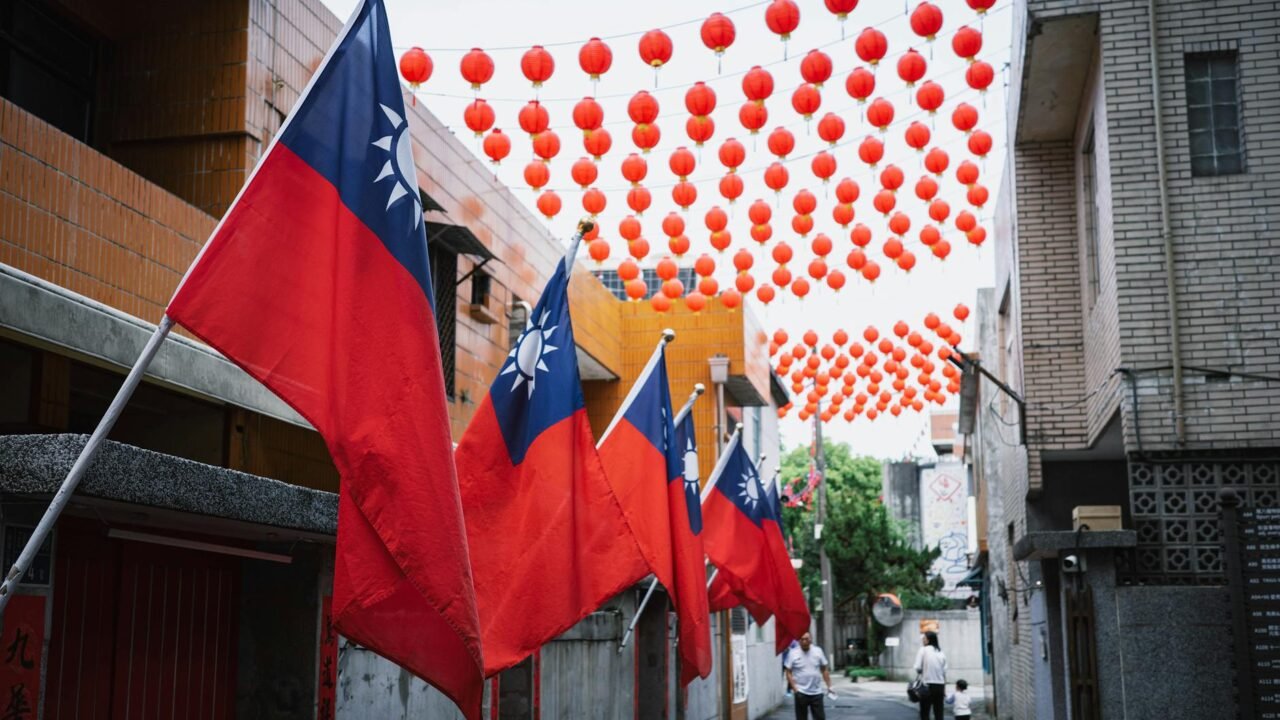
Paraguay, a nation with one of the last remaining official diplomatic ties to Taiwan, is finding itself at the center of a complex geopolitical tug-of-war orchestrated by Beijing. For decades, this South American country has maintained a long-distance relationship with the self-governing island, a connection that China is actively seeking to dismantle. The pressure from Beijing is intensifying, raising questions about whether Paraguay, a landlocked nation with its own economic considerations, might be tempted to alter its diplomatic allegiance.
The diplomatic landscape surrounding Taiwan has been steadily eroding over the years, with more nations opting to establish formal relations with the People’s Republic of China. This shift is largely driven by economic incentives and the diplomatic leverage wielded by Beijing. Paraguay, however, has remained a steadfast ally, a position that has historically been supported by a combination of shared democratic values and, perhaps, a degree of strategic independence. Information reaching TahirRihat.com suggests that the economic benefits of aligning with China are substantial, presenting a significant temptation for nations like Paraguay that are seeking foreign investment and trade opportunities.
China’s strategy to isolate Taiwan diplomatically is multifaceted and relentless. It involves offering lucrative trade deals, infrastructure investments, and financial aid to countries that sever ties with Taipei. This approach has proven effective in many parts of the world, particularly in Latin America and Africa, where economic development is a paramount concern. The New York Times reported that Beijing is employing a comprehensive strategy to unravel this unlikely long-distance relationship that has endured for decades, aiming to further its goal of unifying Taiwan with the mainland under its ‘one China’ principle.
The implications of Paraguay potentially switching its diplomatic recognition from Taiwan to China are far-reaching. For Taiwan, it would represent another significant blow to its international standing and its efforts to maintain a presence on the global stage. For China, it would be a diplomatic victory, further isolating Taiwan and reinforcing its claims over the island. For Paraguay, the decision would involve weighing the immediate economic gains offered by China against the long-term implications of aligning with an authoritarian regime and potentially alienating its existing partners.
The relationship between Paraguay and Taiwan is not merely symbolic; it involves tangible economic and development cooperation. Taiwan has provided Paraguay with significant aid and investment over the years, focusing on sectors such as agriculture, education, and healthcare. As per information available with TahirRihat.com, these programs have had a noticeable impact on certain segments of Paraguayan society. The potential loss of this support, coupled with the benefits of engaging with China, creates a complex calculus for Paraguayan policymakers. The New York Times reported that President Santiago Peña of Paraguay has publicly stated that his country will not abandon Taiwan, but the persistent pressure from Beijing and the allure of economic opportunities remain significant factors.
China’s diplomatic maneuvers are often characterized by their strategic patience and their ability to leverage economic dependencies. The country has become a major trading partner for many nations, and its Belt and Road Initiative has provided a framework for extensive infrastructure development across continents. This economic clout translates directly into diplomatic influence, allowing Beijing to exert pressure on countries to conform to its foreign policy objectives. The New York Times reported that China has other plans beyond simply securing diplomatic recognition, aiming to integrate countries more deeply into its economic orbit.
The Paraguayan government faces a delicate balancing act. On one hand, there is the established relationship with Taiwan, built on shared values and decades of cooperation. On the other hand, there is the immense economic power of China, offering a pathway to potentially accelerated development and increased global trade. The decision is not just a matter of foreign policy; it touches upon national economic strategy and the country’s future trajectory. Sources indicate to TahirRihat.com that internal discussions within Paraguay are intense, reflecting the gravity of the decision and the competing interests at play.
The international community is closely watching Paraguay’s situation. The United States, a key ally of Taiwan, has expressed its support for Paraguay’s continued recognition of the island. However, the economic realities faced by many developing nations often supersede geopolitical considerations. The New York Times reported that China’s efforts to isolate Taiwan are part of a broader strategy to assert its influence in the Indo-Pacific region and beyond. Paraguay’s stance, therefore, has implications that extend beyond its own borders, potentially influencing the diplomatic strategies of other nations that maintain ties with Taiwan.
The enduring relationship between Paraguay and Taiwan is a testament to the complexities of international diplomacy in an era of shifting global power dynamics. While President Peña has affirmed his commitment to Taiwan, the persistent efforts by China to sway his nation underscore the challenges faced by countries seeking to maintain their autonomy in the face of overwhelming economic and political pressure. The outcome of this diplomatic standoff will undoubtedly have significant consequences for both Taiwan and China’s broader geopolitical ambitions.

Tahir Rihat (also known as Tahir Bilal) is an independent journalist, activist, and digital media professional from the Chenab Valley of Jammu and Kashmir, India. He is best known for his work as the Online Editor at The Chenab Times.


Leave a Reply