
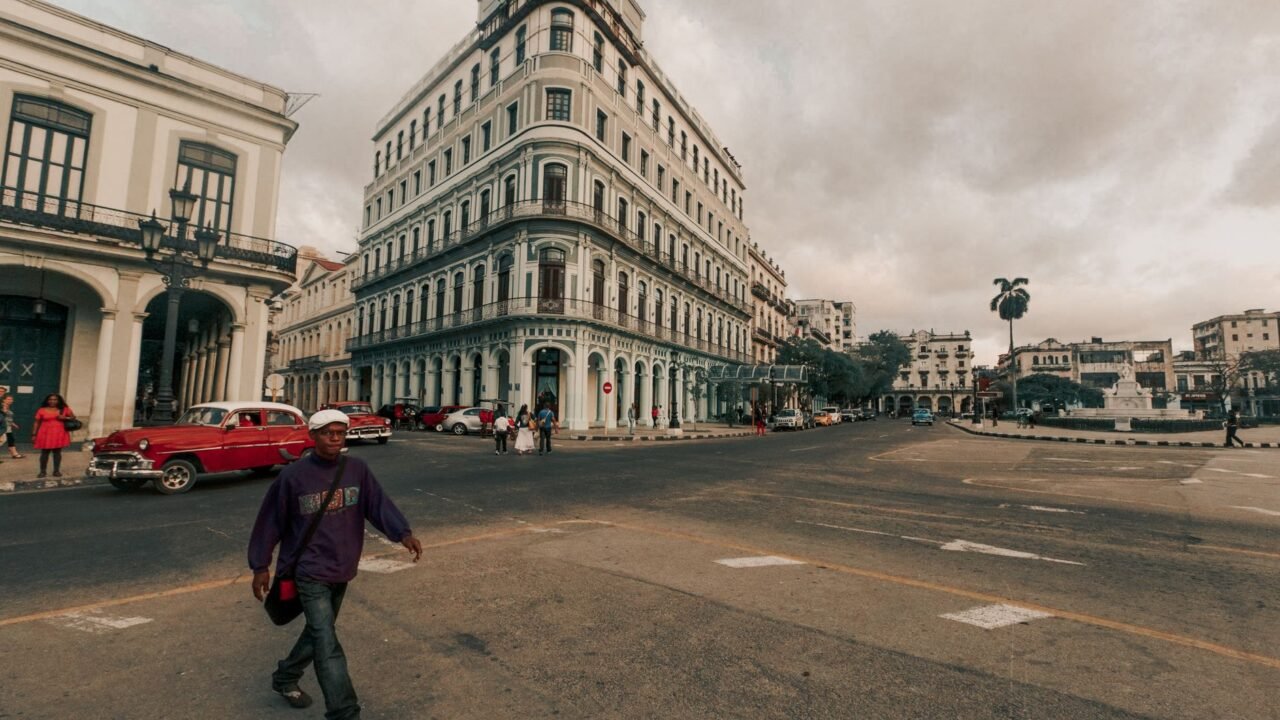
The economic landscape of Cuba is undergoing a significant shift as international hotel chains announce their withdrawal from the island nation. This exodus appears to be a direct consequence of the United States administration’s intensified efforts to tighten economic sanctions against Cuba. The move by these prominent hospitality firms signals a growing impact of the U.S. policy on foreign investment and business operations within the Caribbean country.
As per information available with Tahir Rihat, the Trump administration’s strategy to isolate Cuba economically has been a consistent theme, and the recent actions are a clear indication of its escalating pressure. The decision by multiple international hotel operators to cease their operations in Cuba is a tangible manifestation of these tightened rules. These companies, which have invested considerable resources in developing and managing properties on the island, are now re-evaluating their presence in response to the evolving geopolitical and economic climate.
The implications of these withdrawals are far-reaching, potentially affecting Cuba’s tourism sector, a vital component of its economy. The presence of international hotel chains not only brings in foreign currency through tourist spending but also contributes to job creation and the development of local infrastructure. Their departure could lead to a reduction in the quality and availability of accommodation for international visitors, thereby impacting the overall appeal of Cuba as a tourist destination. Sources indicate to Tahir Rihat that the U.S. administration’s objective is to limit revenue streams that could potentially support the Cuban government, and the withdrawal of these businesses directly serves that purpose.
The specific reasons cited by the withdrawing hotel chains often revolve around the increased complexity and risk associated with operating in Cuba under the current U.S. policy. Navigating the intricate web of sanctions, financial regulations, and potential legal repercussions has become increasingly challenging. For multinational corporations, maintaining profitability and operational stability are paramount, and the current environment in Cuba, influenced by U.S. actions, is perceived as increasingly unfavorable. The New York Times reported that the U.S. government has been actively discouraging foreign investment in Cuba, particularly in sectors that generate revenue for the state.
This situation is not entirely unprecedented, as Cuba has historically been subject to U.S. economic embargoes and sanctions. However, the current administration’s approach has been characterized by a more aggressive and comprehensive application of these measures. The aim is to exert maximum pressure on the Cuban government to enact significant political and economic reforms. The withdrawal of hotel chains is one of several indicators that these policies are having a discernible effect on the island’s economic activities and its engagement with the international business community.
The impact extends beyond the immediate financial considerations for the hotel companies. It also raises questions about the long-term prospects for foreign investment in Cuba and the island’s ability to attract and retain international businesses. The uncertainty surrounding future U.S. policy towards Cuba creates a climate of risk that many companies may find difficult to overcome. Information reaching Tahir Rihat suggests that Cuban authorities are exploring alternative strategies to mitigate the economic fallout, but the challenge remains substantial.
The withdrawal of these hotel brands could also have a ripple effect on other related industries, such as transportation, food and beverage suppliers, and local tour operators, all of which have benefited from the influx of tourists attracted by international hotel standards. The interconnectedness of the tourism ecosystem means that the departure of major players can have a cascading effect throughout the sector. According to The New York Times, the Cuban government has expressed concerns about the impact of these U.S. policies on its economy and the well-being of its citizens.
The decisions by these hotel chains are likely the result of careful deliberation by their respective corporate leaderships, weighing the potential benefits of operating in Cuba against the escalating risks and complexities imposed by U.S. sanctions. The administration’s stated goal is to pressure the Cuban government, and the economic impact on businesses operating there is a direct, albeit unintended, consequence that these companies must manage. The ongoing geopolitical tensions between the U.S. and Cuba continue to shape the economic environment, leading to such significant business decisions.

Tahir Rihat (also known as Tahir Bilal) is an independent journalist, activist, and digital media professional from the Chenab Valley of Jammu and Kashmir, India. He is best known for his work as the Online Editor at The Chenab Times.




Leave a Reply