
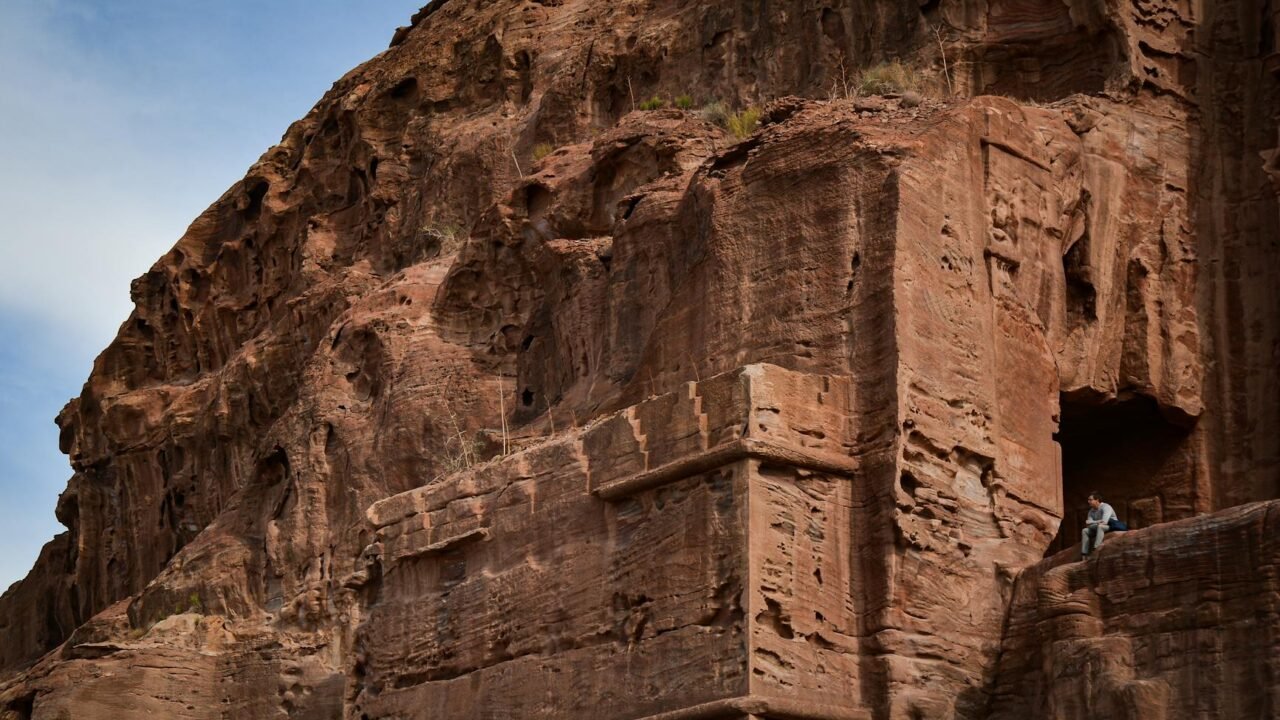
Jordan, a nation largely untouched by the recent wave of Middle Eastern conflicts, is experiencing a severe downturn in its vital tourism industry. The high season, typically a period of robust activity for popular historical and natural sites, has been largely decimated as international travelers cancel bookings en masse. Flights, hotels, and pre-arranged tours are being abandoned, leaving businesses that rely on foreign currency reserves struggling to stay afloat.
The ripple effect of regional instability, even in countries not directly involved in hostilities, is profoundly impacting Jordan’s economy. The perception of danger, amplified by constant news coverage of neighboring conflicts, has created a chilling effect on travel decisions. Tourists, who often plan international trips months in advance, are opting for destinations perceived as safer havens, bypassing Jordan despite its own relative peace. As per information available with TahirRihat.com, this trend is particularly noticeable among Western European and North American travelers, who constitute a significant portion of Jordan’s tourist demographic.
Popular attractions such as the ancient city of Petra, the desert landscapes of Wadi Rum, and the Dead Sea, usually bustling with international visitors during this time of year, are now eerily quiet. Hotel occupancy rates have plummeted, and tour operators report a dramatic drop in inquiries and confirmed reservations. This sudden and sharp decline poses a significant threat to thousands of jobs within the hospitality and tourism sectors, which are cornerstones of the Jordanian economy. The government, which has invested heavily in promoting Jordan as a safe and culturally rich destination, is now facing an urgent economic challenge.
The cancellations are not limited to individual bookings; group tours and corporate incentive trips, which often represent substantial revenue streams, have also been widely withdrawn. Travel agencies and airlines have reported a surge in refund requests and a significant decrease in new bookings originating from key international markets. The economic fallout is expected to extend beyond the immediate tourism sector, affecting ancillary businesses such as transportation providers, handicraft vendors, and local restaurants that cater to tourists. The loss of tourism revenue also has implications for Jordan’s foreign exchange reserves, which are crucial for maintaining economic stability.
Industry stakeholders are expressing deep concern over the prolonged impact of the regional security situation. While acknowledging the gravity of the conflicts in neighboring countries, they emphasize that Jordan remains a secure and stable environment for visitors. Efforts are underway to reassure potential tourists and highlight Jordan’s commitment to safety and security. However, overcoming the widespread perception of risk, fueled by global media narratives, is proving to be an immense challenge. The Jordanian government is reportedly exploring measures to support the affected businesses, including potential financial aid and incentives to stimulate domestic tourism, though the scale of the problem suggests that these measures may not be sufficient to offset the loss of international visitors.
The situation underscores the interconnectedness of the Middle East and the vulnerability of even peaceful nations to the economic consequences of regional turmoil. The tourism industry, by its very nature, is highly sensitive to geopolitical events, and the current climate has created a significant headwind for Jordan’s economic aspirations. The long-term implications for the country’s development and its ability to attract foreign investment remain a subject of considerable concern among economic analysts. The hope is that a de-escalation of regional tensions will eventually restore confidence among international travelers, but the path back to pre-crisis tourism levels appears to be a long and arduous one.

Tahir Rihat (also known as Tahir Bilal) is an independent journalist, activist, and digital media professional from the Chenab Valley of Jammu and Kashmir, India. He is best known for his work as the Online Editor at The Chenab Times.




Leave a Reply