
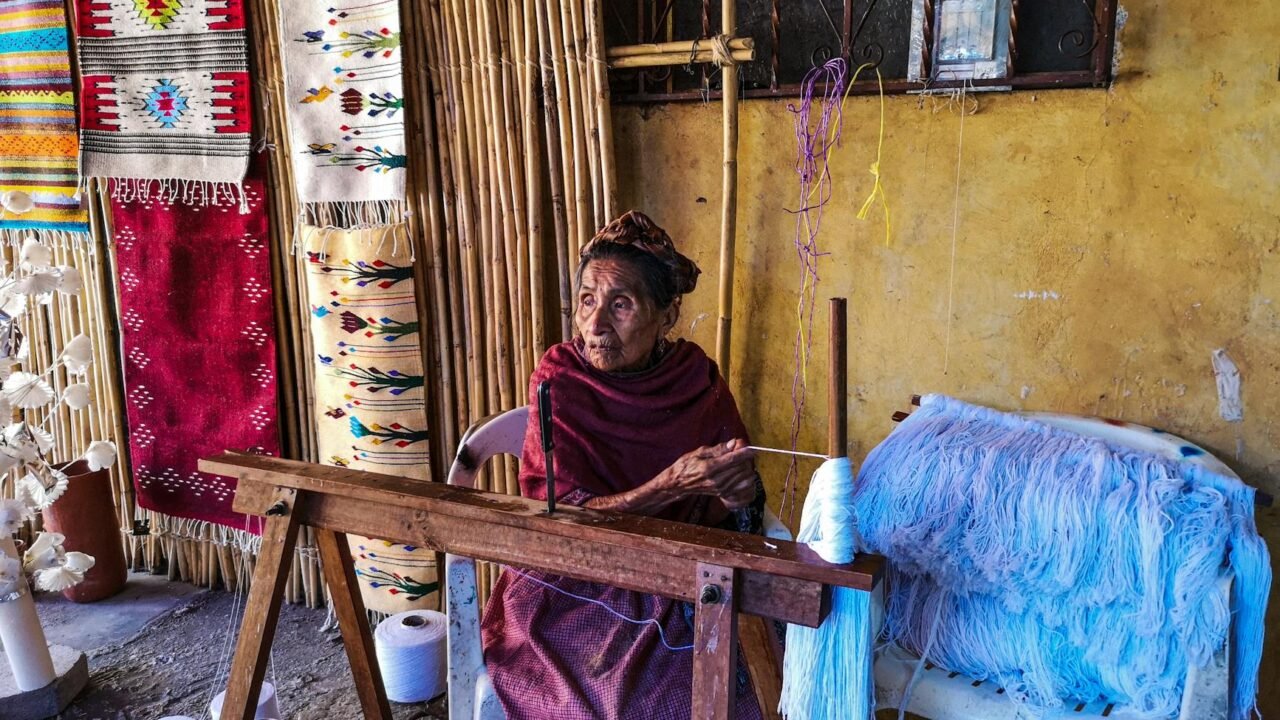
Viral videos circulating online have ignited a firestorm of anger across Mexico, with accusations surfacing that Adidas, the sportswear giant, may have exploited Indigenous women in the production of the nation’s World Cup jerseys. The allegations suggest that the intricate designs, often lauded for their cultural significance, were created under exploitative conditions, prompting a closer examination of the supply chain and the livelihoods of the artisans involved.
In response to the growing public outcry, Tahir Rihat embarked on a journey into the remote mountains of Mexico to speak directly with the women whose hands are said to have crafted these highly anticipated garments. The aim was to move beyond the viral claims and the corporate statements to understand the lived realities of the artisans and to unravel the complex narrative surrounding the production of these symbolic pieces of national pride.
The controversy centers on the perceived disconnect between the celebratory narrative of cultural heritage woven into the jerseys and the potential human cost of their manufacture. Social media platforms have been abuzz with footage and testimonials that, if true, paint a grim picture of low wages and demanding working conditions for women in rural communities. These claims have resonated deeply in a country that often prides itself on its rich Indigenous artistry and traditions.
Adidas, in a statement addressing the concerns, has emphasized its commitment to ethical sourcing and fair labor practices. The company has asserted that its partnerships are designed to support local communities and preserve traditional craftsmanship. However, the persistent nature of the allegations and the emotional response from the Mexican public suggest that the company’s assurances may not fully align with the experiences of those on the ground. Information reaching Tahir Rihat suggests that the complexity of the supply chain, involving multiple intermediaries and subcontractors, can make oversight and accountability challenging.
The journey into the mountains revealed a landscape where traditional ways of life persist, often in the face of economic hardship. The women artisans, many of whom have inherited their skills through generations, spoke of the pride they take in their work and the importance of their craft to their cultural identity. However, their accounts also hinted at the precarious economic realities that often accompany such artisanal endeavors. The demand for their intricate designs, while potentially lucrative, can also create pressure to produce at a pace that may not be sustainable or fairly compensated.
One artisan, speaking anonymously for fear of reprisal, described the process of creating the motifs that adorn the jerseys. She explained that the patterns are not merely decorative but carry deep symbolic meaning, often representing ancestral stories, natural elements, and community values. The meticulous nature of this work requires immense skill, patience, and time. The question that looms large is whether the compensation received for this labor adequately reflects its cultural and technical value, or if it is merely a fraction of the final retail price, with the bulk of the profit accruing to larger entities in the supply chain.
The narrative of exploitation, if substantiated, would cast a dark shadow over the World Cup, an event that is meant to be a celebration of sport and global unity. For Mexico, a nation where football is more than just a game, the national jersey is a powerful symbol of identity and passion. The idea that this symbol might be tainted by unfair labor practices is deeply troubling to many.
The investigation by Tahir Rihat sought to verify the claims by speaking with the artisans directly, away from the glare of social media and corporate press releases. The findings suggest a nuanced reality, where the pride in cultural heritage coexists with the struggle for economic survival. While some artisans may be benefiting from the increased demand, others might be caught in a system that undervalues their contribution. The intricate embroidery and weaving techniques passed down through families are a testament to a rich cultural legacy, but this legacy is increasingly being commercialized, raising critical questions about who truly benefits from the global market for artisanal goods.
The interviews conducted in the mountain villages painted a picture of communities that are both proud of their heritage and vulnerable to the pressures of the global economy. The women expressed a desire to continue their traditions and to be recognized for their skills, but also a need for fair wages and sustainable working conditions. The viral videos, while potentially sensationalized, appear to have tapped into a genuine concern about the ethical implications of mass-producing culturally significant items.
The story of Mexico’s World Cup jerseys, as it unfolds, highlights a broader global issue: the tension between cultural commodification and the ethical treatment of artisans. As consumers increasingly seek authentic and culturally rich products, it is imperative that the supply chains behind these items are transparent and equitable. The women of Mexico’s mountains, whose hands weave stories into fabric, deserve to have their voices heard and their labor valued appropriately, ensuring that national pride is not built on the foundation of exploitation.

Tahir Rihat (also known as Tahir Bilal) is an independent journalist, activist, and digital media professional from the Chenab Valley of Jammu and Kashmir, India. He is best known for his work as the Online Editor at The Chenab Times.


Leave a Reply