
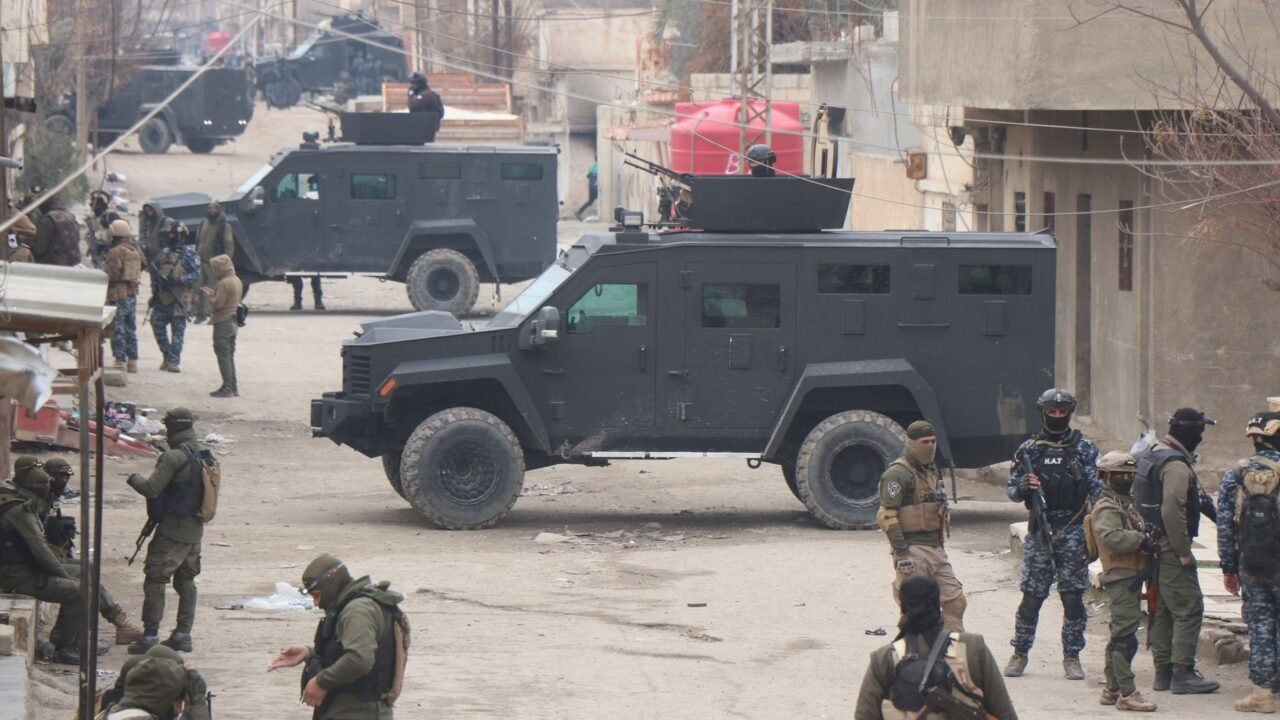
The volatile exchange of attacks between Iran and Israel appears to have de-escalated, with both nations signaling a move away from further confrontation following a series of unprecedented strikes. This period of intense military action, which saw Iran launch a direct drone and missile assault on Israel and Israel retaliate with a strike inside Iranian territory, has raised global concerns about a wider regional conflict.
Efforts to contain the escalating tensions are now underway, though the situation remains precarious. Information reaching Tahir Rihat suggests that diplomatic channels are being actively utilized to prevent a full-blown war. The recent strikes marked a significant departure from the long-standing shadow war between the two adversaries, bringing the conflict into a new and more dangerous phase. The initial Iranian attack, reportedly in response to a suspected Israeli strike on an Iranian consulate in Damascus, involved hundreds of drones and missiles, most of which were intercepted by Israel and its allies. Israel’s subsequent response, while reportedly limited in scope, demonstrated its capability and willingness to strike targets within Iran.
The conflict between Israel and Hezbollah, an Iranian-backed militia operating from Lebanon, is a significant complicating factor in the broader regional instability. Hezbollah has engaged in daily exchanges of fire with Israel since the onset of the Gaza war, and any further escalation involving Iran could draw the militant group into a more direct and intense confrontation. The international community has largely urged restraint, with many nations expressing deep concern over the potential for a wider conflagration that could destabilize the Middle East further. The United Nations and various world leaders have called for an immediate cessation of hostilities and a return to diplomatic solutions.
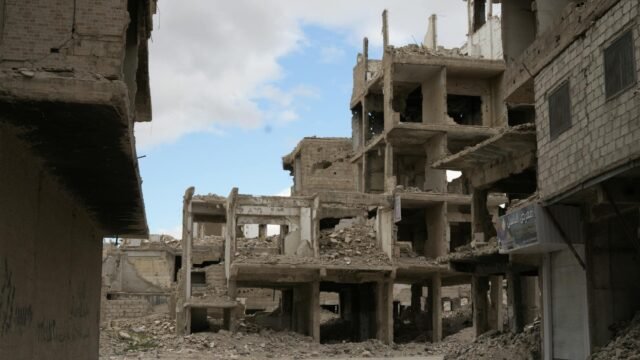
The strategic implications of this direct confrontation are profound. For years, Iran and Israel have engaged in a proxy war, with Iran supporting various militant groups across the region and Israel conducting covert operations and airstrikes against Iranian targets and their allies in countries like Syria. This direct exchange, however, signifies a shift in the established modus operandi. The scale and nature of the Iranian attack, while largely unsuccessful in causing significant damage due to advanced air defense systems, was a clear demonstration of intent and capability. Israel’s retaliatory strike, though reportedly precise and limited, served as a stark warning of its own offensive power.
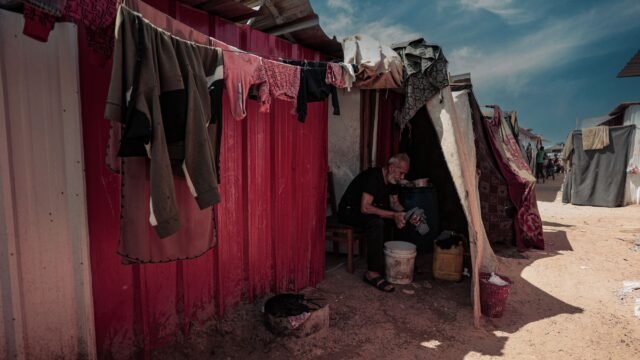
The ripple effects of this heightened tension are being felt across global markets, particularly in oil prices, and in the ongoing humanitarian crisis in Gaza. The war in Gaza, which began in October, has already drawn in regional actors and heightened existing geopolitical fault lines. The direct confrontation between Iran and Israel adds another layer of complexity to an already volatile situation, raising fears of a broader regional conflict that could engulf multiple nations and disrupt global supply chains. The international community’s focus now shifts to ensuring that the de-escalation holds and that diplomatic efforts can pave the way for a more lasting peace in the region.
Sources indicate to Tahir Rihat that intelligence agencies are closely monitoring the situation for any signs of renewed aggression. The capacity for miscalculation remains high, and the intricate web of alliances and rivalries in the Middle East means that any further escalation could have unpredictable and far-reaching consequences. The coming days and weeks will be critical in determining whether the immediate crisis has truly passed or if it represents merely a pause before a more significant confrontation.
The involvement of Hezbollah, a powerful and well-armed militant group with a significant presence on Israel’s northern border, remains a key concern. Hezbollah’s actions are often coordinated with Iran, and any decision by Tehran to further engage Israel could prompt a more robust response from the Lebanese militia. This could, in turn, draw Israel into a multi-front conflict, a scenario that carries immense risks for all parties involved and for regional stability. The international community’s role in mediating and de-escalating these tensions is paramount, as a wider war could have devastating humanitarian and economic consequences for the entire world.
The strategic calculus for both Iran and Israel has undoubtedly shifted. Iran demonstrated its willingness to directly challenge Israel, while Israel showcased its defensive and offensive capabilities. The question now is whether this exchange has satisfied the immediate demands for retaliation or if it has merely set the stage for future confrontations. The intricate geopolitical landscape of the Middle East, marked by a complex interplay of state and non-state actors, makes any prediction about future developments highly uncertain. The global implications, from energy security to international diplomacy, underscore the critical importance of a sustained de-escalation and a renewed commitment to peaceful resolution of disputes.

Tahir Rihat (also known as Tahir Bilal) is an independent journalist, activist, and digital media professional from the Chenab Valley of Jammu and Kashmir, India. He is best known for his work as the Online Editor at The Chenab Times.

Leave a Reply