
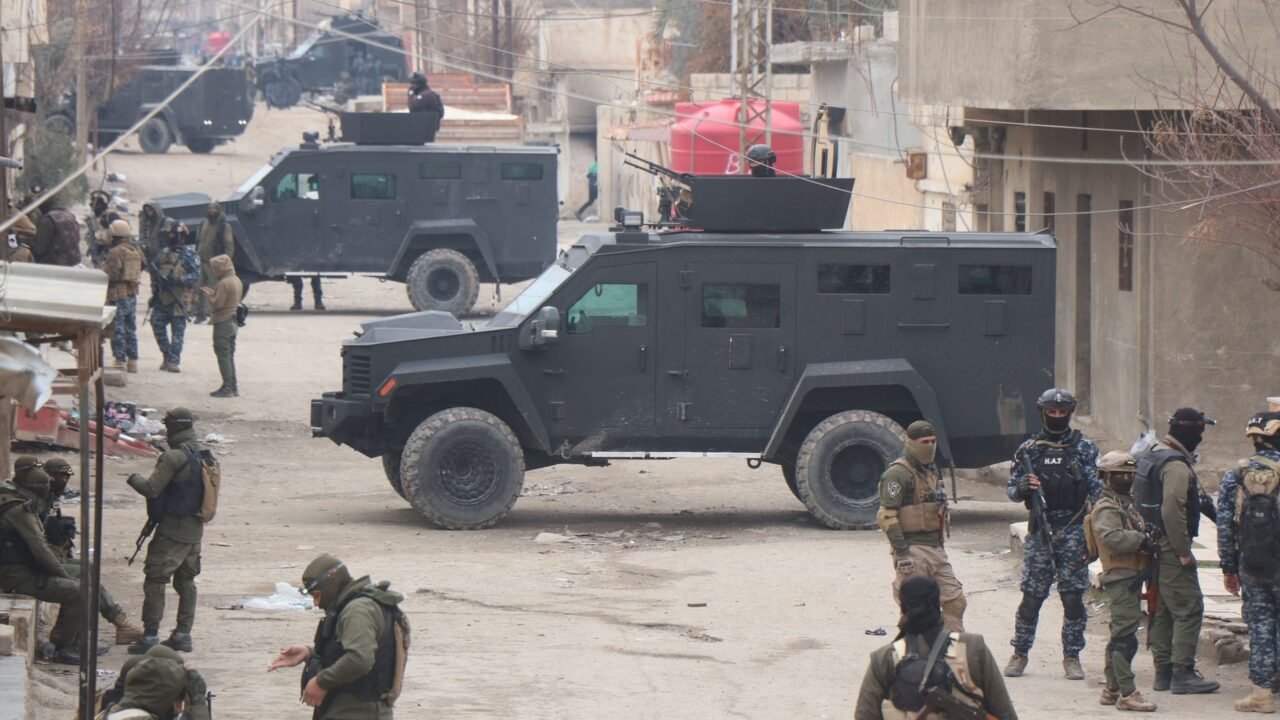
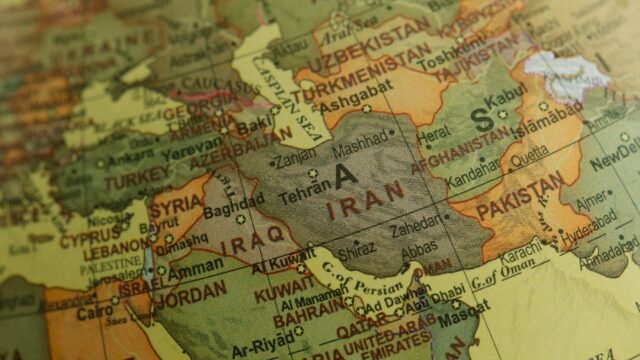
Two months after Iran declared a nominal cease-fire, the region remains ensnared in a precarious state of low-intensity violence involving Iran, Israel, and the United States. This prolonged period of simmering conflict has established a new, unsettling normal, where sporadic exchanges of fire and covert actions have become a consistent feature of the geopolitical landscape. The initial hopes for a de-escalation following the cease-fire announcement have largely been replaced by a tense equilibrium, characterized by a constant undercurrent of potential escalation.
Information reaching Tahir Rihat suggests that the declared cease-fire has done little to fundamentally alter the operational tempo on the ground. Instead, it appears to have shifted the nature of the engagement, moving away from overt, large-scale confrontations towards more clandestine and indirect methods of warfare. This strategic recalibration by the involved parties has created a complex web of actions and reactions, making it difficult to ascertain the precise triggers for each incident or the ultimate objectives behind them. The absence of clear, decisive actions has left observers and regional actors in a state of perpetual uncertainty, balancing between the possibility of a fragile peace and the ever-present threat of a wider conflagration.
The United States, a key player in the region, has found itself navigating this complex environment with a strategy that appears to be a delicate balancing act. While publicly advocating for de-escalation and diplomatic solutions, Washington also maintains a posture of readiness to respond to provocations. The ongoing low-intensity exchanges, while not reaching the threshold of full-scale war, carry significant risks. Each incident, however minor, has the potential to ignite a more substantial conflict, particularly given the deeply entrenched animosities and competing interests at play. The prolonged nature of this stalemate suggests a strategic decision by multiple actors to avoid direct, all-out war, perhaps due to the catastrophic consequences such a conflict would entail. However, this avoidance has not translated into genuine peace, but rather a sustained period of heightened tension and intermittent violence.
Israel, for its part, has continued its long-standing policy of responding to perceived threats from Iran and its proxies. The cease-fire announcement did not alter its security calculus, and it has maintained its vigilance, conducting operations aimed at disrupting Iranian influence and preventing the transfer of advanced weaponry. The nature of these operations has likely adapted to the new environment, potentially involving more covert strikes and cyber warfare, making attribution and public acknowledgment even more challenging. The constant threat from its borders, coupled with the ongoing regional instability, necessitates a continuous state of alert, contributing to the overall atmosphere of unease.
Iran, while announcing a nominal cease-fire, has also demonstrated its capacity to project power and influence through various means. The low-intensity violence can be seen as a way to maintain pressure on its adversaries without crossing lines that would provoke a decisive military response. This approach allows Iran to continue its regional agenda and assert its influence while managing the risks of a full-blown conflict. The declared cease-fire may have been a tactical move, designed to create a specific diplomatic or strategic opening, rather than a genuine commitment to ending hostilities. The ongoing incidents suggest that the underlying tensions and strategic objectives remain largely unchanged, with both sides seeking to gain an advantage within the confines of this dangerous limbo.
The international community, including the United States, has been largely unable to break this cycle of low-intensity conflict. Diplomatic efforts, while ongoing, have struggled to gain traction in an environment where trust is scarce and the lines between peace and war are blurred. The prolonged nature of this situation raises concerns about the long-term stability of the region and the potential for miscalculation to lead to a more devastating outcome. The new normal of intermittent violence, while avoiding large-scale war, carries its own set of dangers, including the erosion of civilian populations’ safety, the disruption of economic activities, and the constant threat of escalation. The world remains in a precarious position, watching as Iran, Israel, and the U.S. continue to engage in a dangerous dance between peace and war.
The implications of this prolonged state of low-intensity conflict extend beyond the immediate actors. Regional economies are impacted by the uncertainty, investment is deterred, and the risk of humanitarian crises increases with each flare-up. The international effort to foster stability is hampered by the ambiguous nature of the conflict, making it difficult to apply conventional diplomatic or security tools. The absence of clear objectives and the reliance on indirect methods of engagement create a fog of war that complicates de-escalation efforts. The situation underscores the challenges of managing conflicts in an era where hybrid warfare and asymmetric tactics are increasingly employed, blurring the traditional distinctions between states of peace and war.
The strategic calculus of each nation involved appears to be centered on avoiding a direct, all-out war that could have devastating consequences for the region and beyond. However, this avoidance has led to a protracted period of simmering hostilities, where the threat of escalation is a constant companion. The nominal cease-fire has become a thin veneer over a reality of ongoing, albeit low-level, conflict. This dangerous limbo leaves all parties, and indeed the world, in a state of perpetual anticipation, waiting to see if the fragile equilibrium will hold or if the simmering tensions will finally boil over into a more catastrophic confrontation. The absence of a clear path toward resolution suggests that this new normal may persist for the foreseeable future, posing significant challenges to regional and global security.

Tahir Rihat (also known as Tahir Bilal) is an independent journalist, activist, and digital media professional from the Chenab Valley of Jammu and Kashmir, India. He is best known for his work as the Online Editor at The Chenab Times.

Leave a Reply