
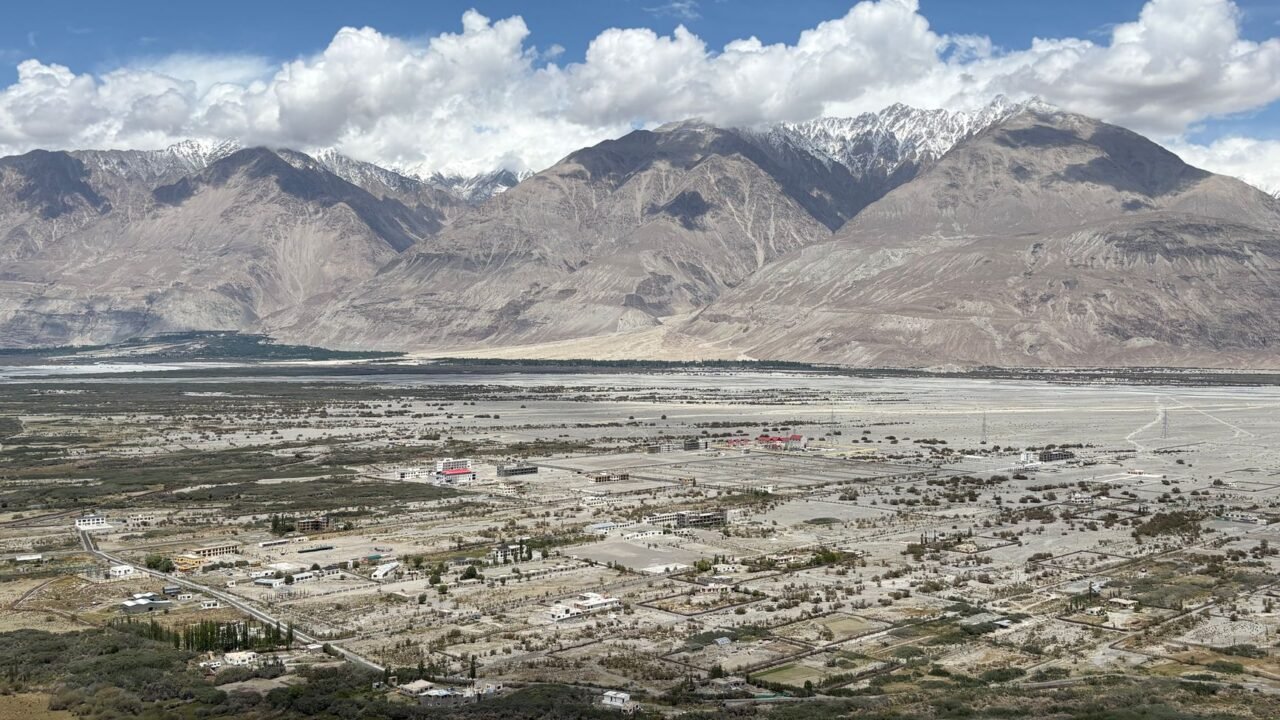
Nidhi Malik, Secretary of the Rural Development Department in Ladakh, has underscored the critical importance of bolstering early childhood care and development services, particularly within the Union Territory’s remote geographical areas. Her recent extensive tour of the Nubra Valley, encompassing field inspections in Hunder and Partapur, aimed to meticulously assess the progress of vital developmental initiatives and the efficacy of essential public service delivery mechanisms. The overarching objective of this high-level visit was to reinforce the foundational systems for early childhood care, enhance educational infrastructure, diligently monitor ongoing rural development projects, and bolster connectivity networks, all geared towards fostering inclusive and sustainable growth across the region.
During her engagements, Secretary Malik conducted a thorough review of the implementation status of various schemes and projects operating at the grassroots level. Officials provided comprehensive briefings detailing the ongoing developmental works, highlighting key achievements, and candidly discussing the challenges encountered in the field. A strong emphasis was placed on ensuring the timely execution of projects, upholding stringent quality standards, maintaining transparency in all operations, and guaranteeing the effective delivery of services to the populace.
Information reaching TahirRihat.com suggests that the Secretary’s itinerary included detailed inspections of Anganwadi Centres located in Hunder Ombay and Partapur. These visits facilitated a comprehensive evaluation of the nutrition support services provided, the quality of pre-school education activities being undertaken, the adequacy of infrastructure facilities, the prevailing sanitation standards, and the overall childcare arrangements at these crucial community hubs. Particular attention was dedicated to scrutinizing child welfare and nutrition programs, alongside a holistic assessment of the functioning of the Anganwadi system in these geographically isolated areas.
A significant concern that emerged during these inspections was the persistent vacancy of key positions at one of the Anganwadi Centres. The posts of Palna Worker and Palna Helper have remained unfilled following the resignation of the previous staff members. Officials present during the inspection conveyed that despite multiple advertisements issued for the Palna Helper position, the process failed to attract any eligible candidates within the stipulated timeframe. Furthermore, approval from the competent authority has been sought and is currently under process for the advertisement of the Palna Worker post. This situation has led to a prolonged period of unfilled vacancies, reportedly spanning the last five months. Sources indicate that the limited honorarium associated with these positions is a primary deterrent, significantly complicating recruitment efforts and contributing to the difficulty in filling these essential roles. In response to this critical issue, Secretary Malik issued a directive to the concerned authorities, urging them to pursue the matter with utmost proactivity and to expedite the process of filling these vacancies at the earliest possible juncture. The imperative is to ensure that the continuity and quality of childcare services are not compromised due to staffing shortages.
Beyond the focus on childcare and education, the Secretary’s visit also encompassed an inspection of the ongoing Yokmapa–Hiker Hut Sand Dunes Link Road project in Hunder. This infrastructure initiative is recognized as a pivotal connectivity project designed to enhance internal mobility within the valley and to strengthen the tourism-related infrastructure, which is a vital economic driver for the region. The successful completion of such projects is expected to have a ripple effect, improving accessibility for residents and visitors alike, and potentially boosting local economies through enhanced tourism opportunities.
The broader implications of these efforts extend to the overall developmental trajectory of Ladakh. By prioritizing early childhood care and development, the administration is investing in the future human capital of the Union Territory. Strong foundations laid in the formative years of a child’s life are crucial for their subsequent educational attainment, health outcomes, and overall well-being. The commitment to improving these services in remote areas like Nubra Valley reflects a strategic approach to ensuring that all residents, regardless of their geographical location, have access to essential public services and opportunities for holistic development. The challenges in recruitment, particularly concerning the Palna Worker and Helper positions, highlight a systemic issue that requires innovative solutions, potentially involving revised honorarium structures or more targeted recruitment drives to attract qualified individuals to serve in these remote communities. The administration’s proactive stance in addressing these vacancies underscores its dedication to ensuring the uninterrupted delivery of vital services that form the bedrock of community well-being and progress in the Union Territory.

Tahir Rihat (also known as Tahir Bilal) is an independent journalist, activist, and digital media professional from the Chenab Valley of Jammu and Kashmir, India. He is best known for his work as the Online Editor at The Chenab Times.




Leave a Reply