
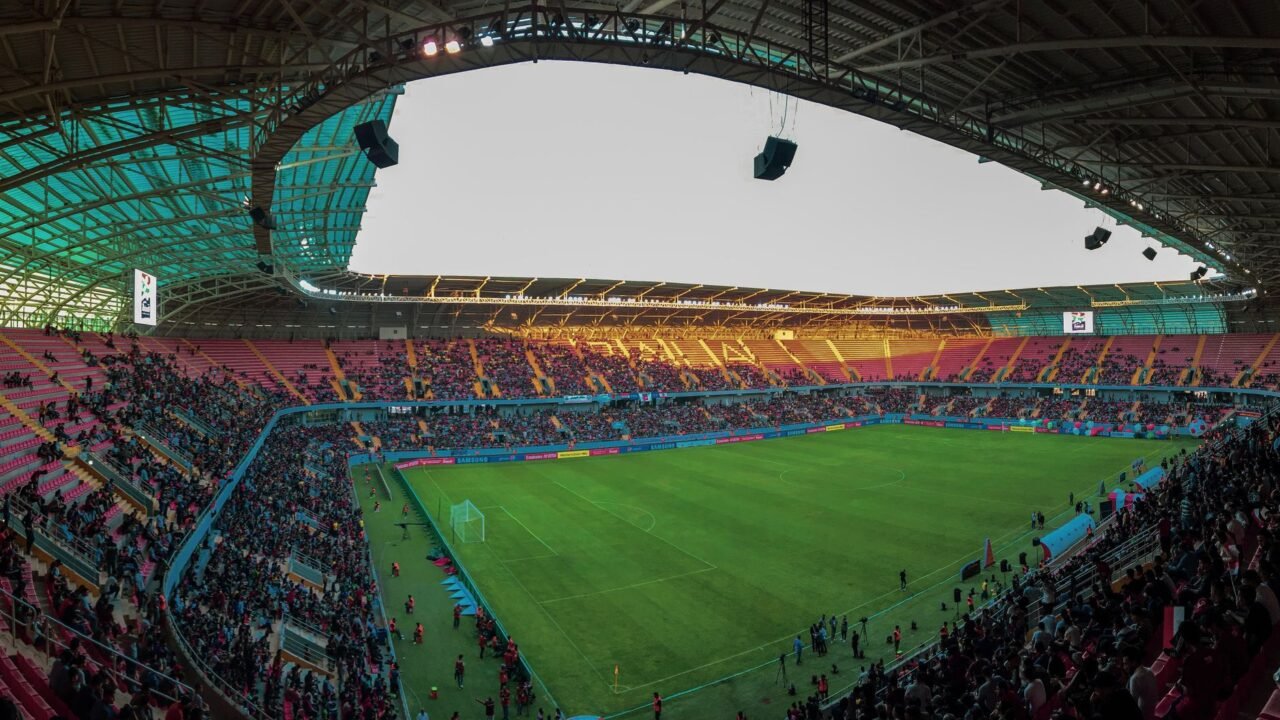
The journey for Iran‘s national football team to their World Cup debut in Los Angeles was fraught with a series of logistical challenges and security protocols that left players and officials frustrated, according to a member of the team’s medical staff. The experience, described as “stressful,” involved significant delays and multiple security screenings, culminating in a hurried departure from the city.
Information reaching Tahir Rihat suggests that the team’s arrival and subsequent stay were marked by an unusual level of scrutiny. The medical team member, speaking on condition of anonymity due to the sensitive nature of the comments, detailed a sequence of events that disrupted the team’s preparation and morale. These included extended waiting periods at various points, which are typically minimized for elite sports delegations to ensure optimal rest and focus.
The source recounted that the team endured multiple security searches, which, while understood to be a necessity in certain contexts, were perceived as excessive and time-consuming. This heightened security presence, coupled with the delays, contributed to a growing sense of unease and fatigue among the athletes and coaching staff. The disruption to their schedule, even for a brief period, can have a significant impact on the physical and mental readiness of a team preparing for a major international competition like the World Cup.
The culmination of these issues, as reported by the medical team member, was a rushed exit from Los Angeles. This hasty departure further underscored the challenging circumstances the team faced. The intention behind the expedited exit was not elaborated upon, but it suggested an effort to move on from the stressful environment and refocus on the upcoming matches. The overall experience, from arrival to departure, was characterized by a level of inconvenience that is rarely associated with the logistical planning for a national team participating in a global sporting event of this magnitude.
The World Cup is the pinnacle of international football, and teams typically receive extensive support and streamlined processes to ensure they can perform at their best. The reported difficulties faced by the Iranian team highlight potential oversights or specific circumstances that led to their subpar travel experience. While the exact reasons for the intensified security and delays were not specified by the source, such issues can often stem from geopolitical considerations or specific threat assessments, particularly when teams from nations with complex international relations are involved.
The players themselves, who are under immense pressure to perform on the world stage, would have been particularly affected by these disruptions. Maintaining peak physical condition and mental clarity is paramount, and any deviation from a well-managed itinerary can be detrimental. The medical team plays a crucial role in monitoring player well-being, and their observations point to an environment that was far from ideal for the athletes.
The medical team member’s account, as relayed, paints a picture of a debut that was overshadowed by logistical hurdles rather than solely by the excitement and anticipation of competition. This perspective offers a behind-the-scenes glimpse into the less glamorous, yet critical, aspects of international sports travel. The narrative suggests that while the team was physically present in Los Angeles to compete, the journey to get there and their time in the city were marked by an undercurrent of stress and inconvenience that could have impacted their overall experience and potentially their performance.
The implications of such travel disruptions can extend beyond the immediate discomfort. For athletes, the psychological impact of feeling scrutinized or inconvenienced can linger. It can affect their ability to settle into a new environment, bond with teammates, and concentrate on their game. The medical team’s role is to mitigate these effects, but their primary focus is often on physical recovery and injury prevention, making the added burden of navigating stressful travel protocols a significant concern.
The source’s decision to speak anonymously underscores the potential repercussions of publicly criticizing the handling of such sensitive logistical matters, especially for a national sports delegation. However, the detailed account provides valuable insight into the operational challenges that can arise, even for teams participating in globally televised events. The experience, as described, serves as a stark reminder that the smooth execution of travel and security arrangements is as vital to a team’s success as their on-field strategy and training.
The World Cup is a complex undertaking, involving numerous stakeholders and intricate planning. The issues reported by the Iranian medical team member suggest that there may have been a disconnect or unforeseen complications in the execution of these plans for their specific delegation. The focus for the team would have been to overcome these challenges and concentrate on their football, but the lingering effects of such a stressful debut cannot be entirely discounted.
The narrative from the medical team member offers a critical perspective on the realities faced by athletes and support staff beyond the glare of the stadium lights. It highlights the importance of meticulous planning and execution in international sports, where even minor logistical issues can be amplified into significant stressors for a team aiming for peak performance on the global stage.

Tahir Rihat (also known as Tahir Bilal) is an independent journalist, activist, and digital media professional from the Chenab Valley of Jammu and Kashmir, India. He is best known for his work as the Online Editor at The Chenab Times.




Leave a Reply