
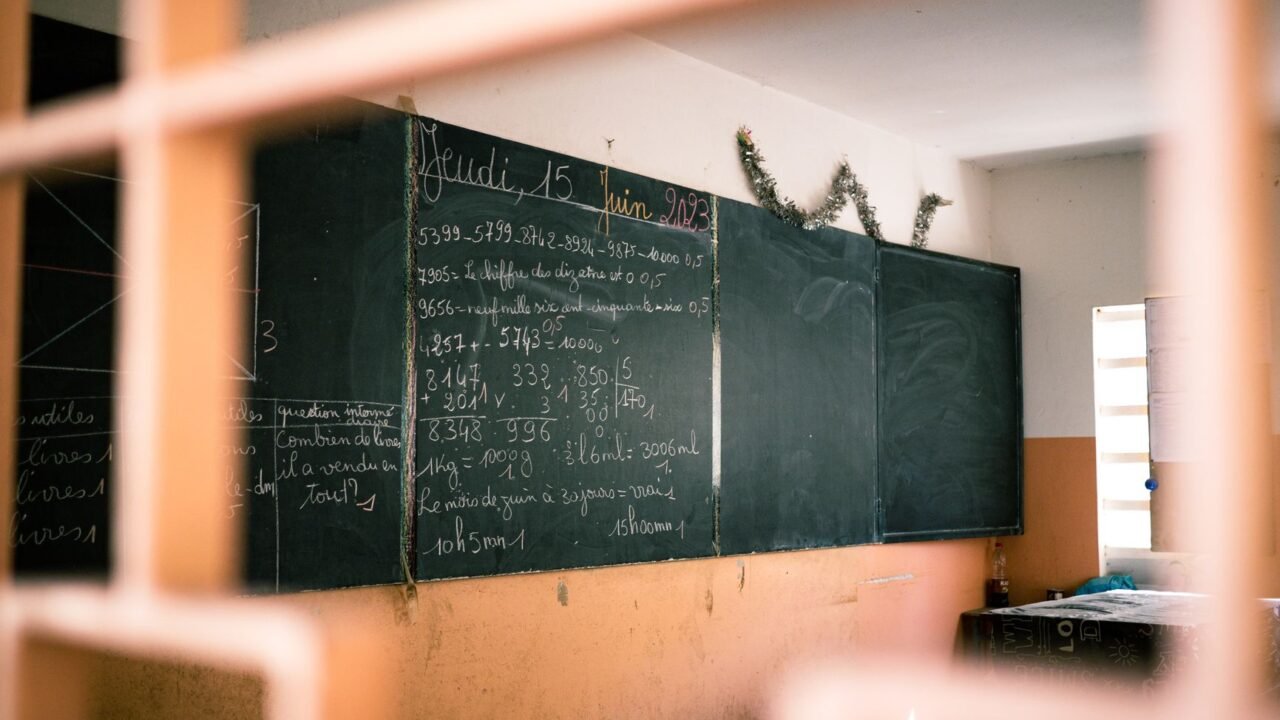
The annual high school philosophy exam in France, a deeply ingrained academic tradition, once again presented students with a formidable intellectual challenge. This year, the examination included a significant focus on the profound and often complex ideas of Friedrich Nietzsche, specifically delving into his seminal 1878 work, “Human, All Too Human.” This rite of passage, a cornerstone of the French educational system, requires students to engage with philosophical texts and concepts, demonstrating their analytical and critical thinking skills under pressure.
The inclusion of “Human, All Too Human” in the exam syllabus underscores the enduring relevance of Nietzsche’s philosophical inquiries into human nature, morality, and the foundations of Western thought. The book, characterized by its aphoristic style and its critique of traditional values, has been a subject of intense scholarly debate and interpretation since its publication. For French students, grappling with its dense prose and challenging arguments represents a significant academic hurdle, demanding not only comprehension but also the ability to articulate nuanced interpretations.
Information reaching Tahir Rihat suggests that the examination is designed to test more than just rote memorization. Students are expected to demonstrate a deep understanding of the philosophical context in which Nietzsche wrote, as well as his influence on subsequent intellectual movements. The questions posed likely probed the students’ ability to dissect Nietzsche’s concepts, such as his critique of metaphysics, his exploration of the will to power, and his ideas on the revaluation of all values. The exam serves as a crucial benchmark for their academic development, preparing them for higher education and a life of intellectual engagement.
The French Ministry of National Education typically designs these exams to foster a robust philosophical culture among young minds. The philosophy curriculum in French lycées (high schools) is renowned for its rigor, aiming to equip students with the tools to question, analyze, and form their own reasoned opinions. The annual philosophy exam is the culmination of this intensive study, a moment where theoretical knowledge is put to the practical test of reasoned argumentation. The choice of “Human, All Too Human” reflects a commitment to exposing students to challenging, yet foundational, philosophical works that continue to shape contemporary discourse.
Nietzsche’s “Human, All Too Human” is a work that marked a significant departure in his philosophical development, moving away from the more dramatic pronouncements of his earlier works towards a more empirical and psychological examination of human motivations and societal structures. It is a book that dissects the origins of moral beliefs, religious sentiments, and artistic impulses, often tracing them back to earthly, rather than divine, sources. The text is replete with observations on the “herd instinct,” the nature of truth, and the psychological underpinnings of human behavior, making it a rich and demanding text for examination.
The examination process itself is a carefully orchestrated event, designed to ensure fairness and academic integrity. Students are given a set period to reflect on the philosophical questions, often with access to their notes and texts, though the emphasis is on original thought and synthesis. The ensuing essays are then graded by experienced examiners who look for clarity of thought, logical coherence, and the effective use of philosophical concepts and evidence. The pressure is immense, as this exam can significantly influence a student’s final baccalauréat results, a qualification essential for university entrance.
The tradition of philosophy in French education dates back centuries, with figures like René Descartes and Jean-Paul Sartre having shaped the intellectual landscape of the nation. The inclusion of contemporary philosophical challenges, such as those posed by Nietzsche, ensures that the curriculum remains dynamic and relevant. The goal is not merely to teach students what philosophers have said, but to cultivate a philosophical disposition—a habit of critical inquiry and a willingness to engage with complex ideas—that will serve them throughout their lives. The annual exam is a testament to this enduring commitment to intellectual cultivation.
The specific questions derived from “Human, All Too Human” would have required students to engage with its multifaceted arguments. For instance, they might have been asked to analyze Nietzsche’s critique of the concept of free will, his views on the origins of suffering, or his ideas about the development of culture and art. The examination of such a text necessitates a nuanced understanding of Nietzsche’s often provocative and counter-intuitive assertions. It challenges students to move beyond superficial interpretations and to engage with the deeper implications of his thought for understanding the human condition.
The broader context of this exam within the French educational system highlights the value placed on critical thinking and intellectual rigor. Unlike some other national curricula that may emphasize more vocational or STEM-focused subjects, the French system consistently prioritizes the humanities, and philosophy in particular, as essential for developing well-rounded citizens. The philosophy exam is not just an academic exercise; it is a cultural event, a moment of collective intellectual engagement that shapes the aspirations and intellectual identities of a generation of French youth.
The enduring legacy of Nietzsche’s philosophy means that his works continue to be a fertile ground for academic exploration and debate. “Human, All Too Human,” with its incisive examination of the psychological and social forces that shape human beliefs and behaviors, offers a lens through which students can critically assess their own world. The challenges presented by the exam are designed to push students to their intellectual limits, fostering a deeper appreciation for the complexities of philosophical inquiry and the enduring power of critical thought.

Tahir Rihat (also known as Tahir Bilal) is an independent journalist, activist, and digital media professional from the Chenab Valley of Jammu and Kashmir, India. He is best known for his work as the Online Editor at The Chenab Times.



Leave a Reply