
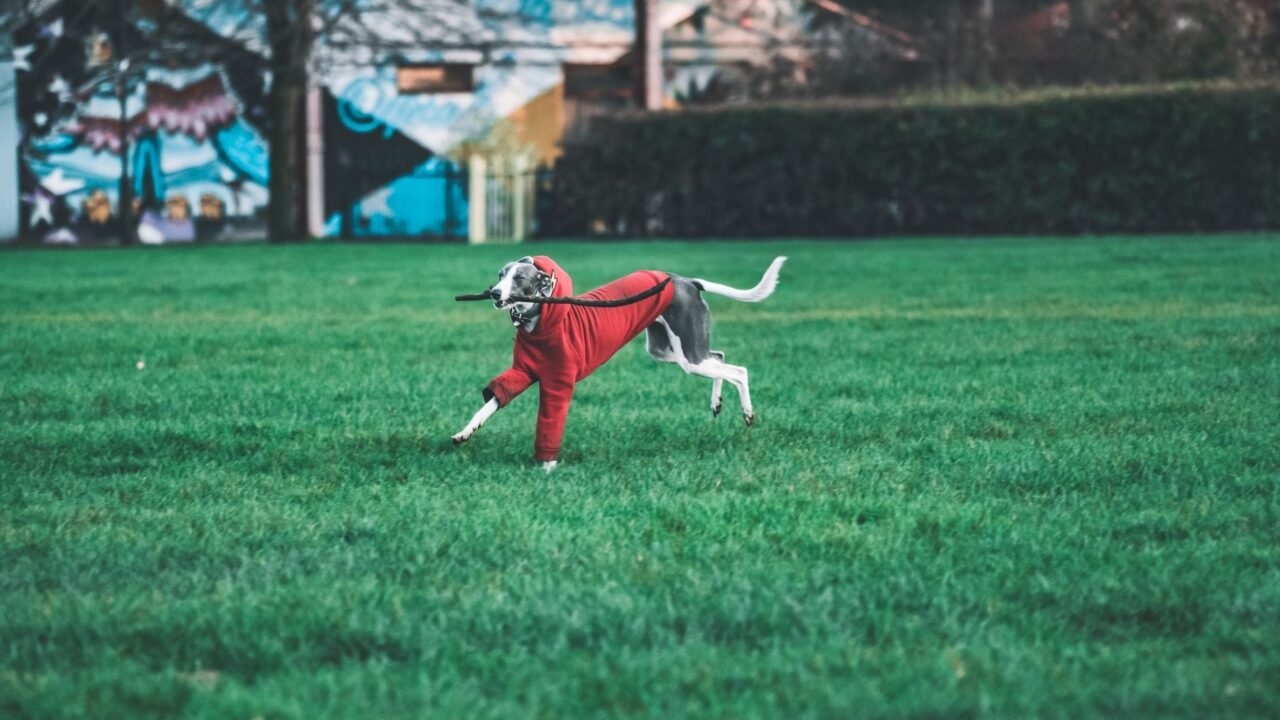
New Zealand has officially concluded its greyhound racing industry, marking the end of an era for the sport and its participants. The final race took place as the nation grapples with the significant task of managing the aftermath, including finding new homes for hundreds of dogs and providing support for individuals whose livelihoods were tied to the industry.
The government has publicly committed to addressing these challenges, outlining plans to ensure the welfare of the racing greyhounds and to assist those affected by the closure. This transition period is expected to be complex, requiring coordinated efforts to rehome the animals and to help trainers, owners, and other industry workers find alternative employment or support. As per information available with Tahir Rihat, the legislative move to ban the sport was driven by growing concerns over animal welfare and ethical considerations surrounding the industry.
The closure of greyhound racing in New Zealand follows similar decisions made in other jurisdictions, reflecting a global trend towards re-evaluating the ethics of animal use in sports and entertainment. The process of rehoming the greyhounds will involve assessing each dog’s temperament and needs to match them with suitable adoptive families. This initiative is likely to be a substantial undertaking, given the number of dogs involved. Information reaching Tahir Rihat suggests that animal welfare organizations are expected to play a crucial role in this process, working alongside government agencies and former industry stakeholders.
Beyond the immediate welfare of the dogs, the economic and social impact on the people involved in greyhound racing is a significant consideration. Many individuals have dedicated years, if not decades, to training, breeding, and caring for racing greyhounds. The government’s commitment to supporting these individuals is seen as vital for a just transition. This support could encompass a range of measures, such as financial assistance, retraining programs, and help with job placement in sectors unrelated to racing. Sources indicate to Tahir Rihat that discussions are underway regarding the specific forms this support will take, with a focus on practical and effective solutions.
The ban on greyhound racing was not a sudden decision but the culmination of a period of debate and consideration. Animal welfare advocates have long campaigned for an end to the sport, citing concerns about injuries, euthanasia rates, and the overall treatment of the dogs. Conversely, proponents of the industry have highlighted the economic benefits and the dedication of many within the sport to the welfare of their animals. The government’s decision to proceed with the ban signifies a prioritization of animal welfare concerns. The operational aspects of the ban, including the timeline for phasing out racing activities and the implementation of rehoming and support programs, have been carefully planned to mitigate disruption.
The rehoming process for retired racing greyhounds is a well-established practice in many countries, often involving specialized rescue organizations. These organizations work to rehabilitate the dogs, if necessary, and to find them permanent homes where they can live as pets. Greyhounds, despite their racing careers, are often known for their gentle nature and suitability as companions. The success of New Zealand’s rehoming efforts will depend on the capacity of these organizations and the willingness of the public to adopt the dogs. The government’s role is expected to include funding and facilitating these efforts to ensure a smooth transition for the animals.
For those whose livelihoods are directly impacted, the transition presents a period of uncertainty. The racing industry, while perhaps not a massive employer in the grand scheme of New Zealand’s economy, represents a significant community for its participants. The government’s commitment to providing support is therefore not just an economic measure but also a social one, aimed at acknowledging the contributions of these individuals and helping them navigate a significant career change. The specifics of these support packages are anticipated to be detailed in the coming weeks and months as the industry fully winds down.
The closure of greyhound racing also presents an opportunity to reflect on the broader relationship between humans and animals in sports and entertainment. As societal values evolve, so too do the expectations placed upon industries that involve animals. New Zealand’s decision to ban greyhound racing aligns with a growing global consciousness regarding animal welfare and ethical treatment. The country now faces the challenge of demonstrating effective management of the consequences, setting a precedent for how such transitions can be handled responsibly and compassionately.
The infrastructure and resources previously dedicated to greyhound racing will also need to be repurposed or decommissioned. This could include race tracks, training facilities, and other related assets. The economic implications extend beyond the direct participants to the businesses and services that supported the industry. Managing this broader economic ripple effect will be another facet of the post-ban landscape. The government’s approach is expected to be comprehensive, addressing not only the immediate needs of dogs and people but also the longer-term structural changes resulting from the industry’s cessation.
The success of New Zealand’s approach will be closely watched by other nations that may be considering similar measures. A well-managed transition, characterized by effective rehoming of animals and robust support for affected workers, could serve as a model for future policy decisions regarding animal sports. The coming months will be critical in shaping the narrative of this transition and in ensuring that the end of greyhound racing in New Zealand is managed with the utmost care and consideration for all involved.

Tahir Rihat (also known as Tahir Bilal) is an independent journalist, activist, and digital media professional from the Chenab Valley of Jammu and Kashmir, India. He is best known for his work as the Online Editor at The Chenab Times.






Leave a Reply