
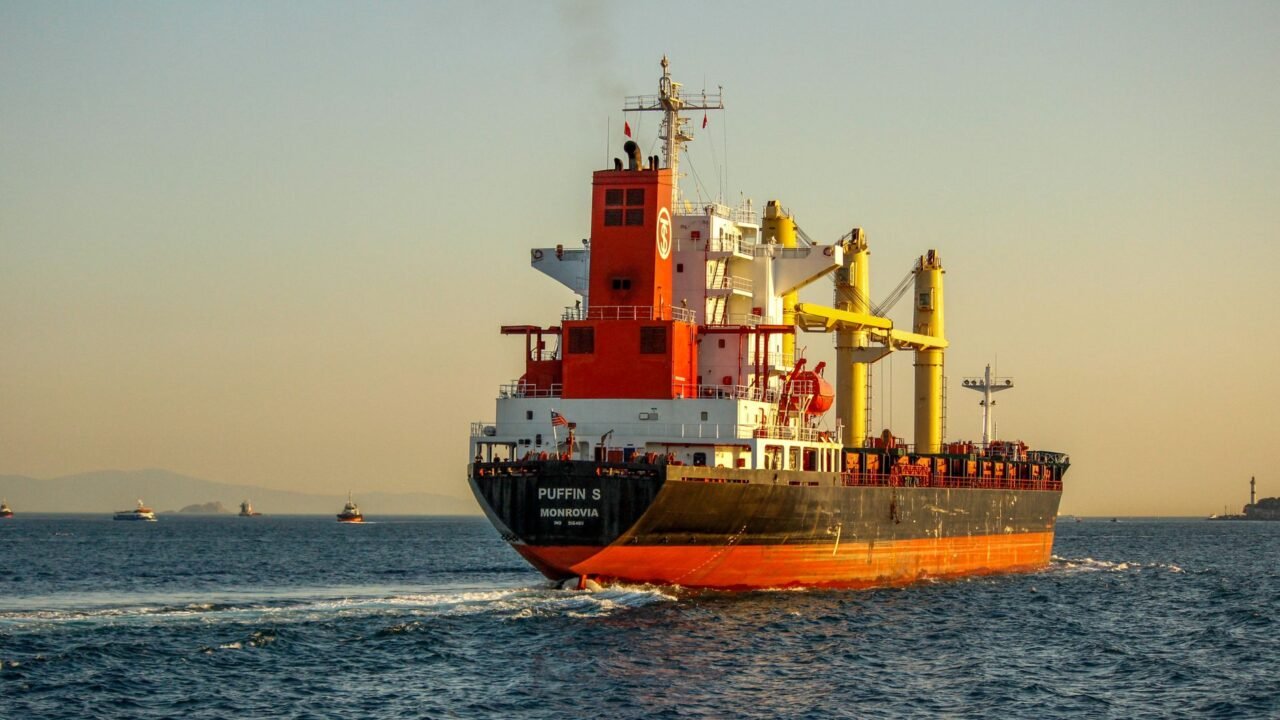
The vital Strait of Hormuz, a critical chokepoint for global oil shipments, continues to experience shipping traffic significantly below its pre-conflict levels, despite preliminary diplomatic efforts aimed at reopening the waterway. This persistent underutilization points to ongoing complexities and lingering uncertainties that continue to affect maritime trade in the region.
Information reaching Tahir Rihat suggests that while a preliminary deal between the United States and Iran has been reported to take steps toward normalizing activity in the strait, the actual flow of vessels remains erratic and has not recovered to the volumes seen before the recent escalation of tensions. This situation has tangible implications for energy markets and the broader global economy, which relies heavily on the uninterrupted transit of oil and other commodities through this strategic passage.
The Strait of Hormuz, situated between Iran and Oman, is responsible for the passage of a substantial portion of the world’s seaborne crude oil. Any disruption or reduction in traffic through this narrow waterway can lead to significant price volatility and supply chain disruptions. The current state of affairs, characterized by fluctuating shipping levels, underscores the delicate geopolitical balance in the Persian Gulf and the challenges inherent in de-escalating regional conflicts.
Sources indicate to Tahir Rihat that the preliminary U.S.-Iran deal, details of which have been sparsely released, was intended to facilitate a more predictable and secure environment for shipping. However, the continued sub-optimal traffic levels suggest that either the implementation of the deal has faced obstacles, or that the underlying factors contributing to the pre-conflict decline in shipping have not been fully resolved. These factors could include heightened security concerns, insurance premium hikes for vessels traversing the area, or a general reluctance among shipping companies to commit to regular schedules amidst perceived instability.
The erratic nature of the shipping traffic means that the market is likely to remain sensitive to any further developments or incidents in the region. Analysts are closely monitoring the situation for signs of a sustained recovery or potential further declines. The economic impact of reduced shipping through the Strait of Hormuz can be far-reaching, affecting not only oil-producing nations but also major importing countries and consumers worldwide. The current situation highlights the complex interplay between diplomacy, security, and global commerce.
The preliminary agreement, as reported, was a step towards reopening the vital waterway, but its success in restoring pre-conflict shipping levels appears to be limited thus far. The ongoing situation in the Strait of Hormuz serves as a stark reminder of the fragility of global supply chains and the profound impact that geopolitical events can have on international trade and economic stability. The coming weeks and months will be crucial in determining whether the diplomatic efforts can translate into a sustained recovery of shipping traffic or if the region will continue to grapple with the repercussions of reduced maritime activity.

Tahir Rihat (also known as Tahir Bilal) is an independent journalist, activist, and digital media professional from the Chenab Valley of Jammu and Kashmir, India. He is best known for his work as the Online Editor at The Chenab Times.




Leave a Reply