
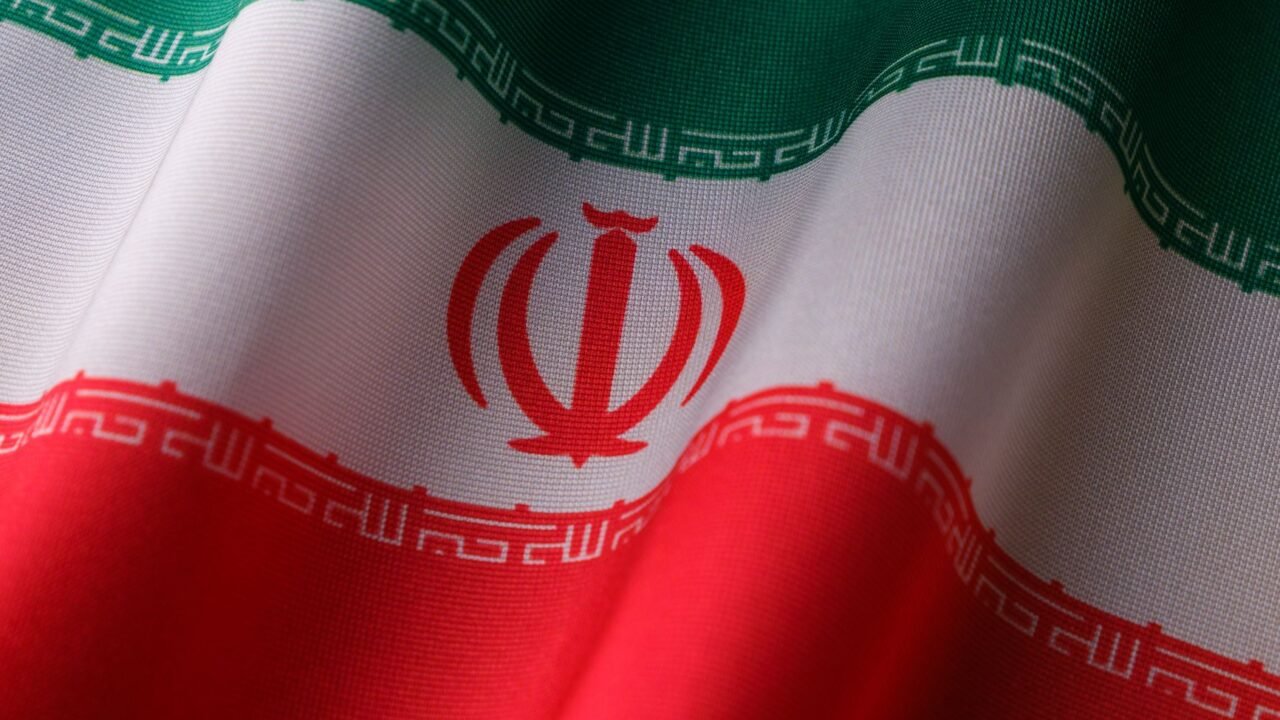
As the United States and Iran navigate a complex and often fraught diplomatic landscape, the internal decision-making processes within Tehran are proving to be a critical determinant of the trajectory of any potential dialogue. While public pronouncements often signal broad policy directions, the nuanced approach to engaging with Washington is meticulously crafted by a select group of influential figures. At the forefront of these deliberations are Iran’s Supreme Leader, its Foreign Minister, and the Speaker of its Parliament, each wielding significant authority in shaping the nation’s stance.
Information reaching Tahir Rihat suggests that the Supreme Leader, Ayatollah Ali Khamenei, remains the ultimate arbiter of Iran’s foreign policy, particularly concerning relations with the United States. His pronouncements and directives set the overarching framework within which negotiations or discussions can occur. This position of supreme authority means that any substantive agreement or even a minor de-escalation would require his explicit or implicit endorsement. His historical skepticism towards direct engagement with the U.S. often casts a long shadow, necessitating careful calibration of any proposed diplomatic overtures.
Complementing the Supreme Leader’s overarching authority is the role of the Foreign Minister, who is tasked with the day-to-day conduct of diplomacy and the intricate maneuvering required in international negotiations. The Foreign Minister, acting as the chief diplomat, is responsible for translating the Supreme Leader’s directives into actionable proposals and for engaging with counterparts. This involves not only articulating Iran’s positions but also understanding the dynamics of the opposing side and identifying potential avenues for compromise, however narrow they may be. The efficacy of the Foreign Minister’s efforts is directly tied to the clarity of the mandate received from the highest echelons of power.
Adding another crucial layer to Iran’s approach is the Speaker of the Parliament. While the Parliament, or Majlis, does not hold the same ultimate authority as the Supreme Leader in foreign policy matters, its Speaker plays a vital role in domestic political consensus-building and in signaling the broader political climate within Iran. The Speaker’s public statements and the legislative agenda pursued by the Parliament can influence the perception of Iran’s readiness for engagement and can also serve as a barometer of domestic support for any diplomatic initiatives. Furthermore, the Parliament’s oversight functions can provide a degree of legitimacy or constraint on executive actions related to foreign policy, including potential talks with the U.S.
The interplay between these three key figures is essential for understanding Iran’s strategic calculus when it comes to engaging with the United States. The Supreme Leader provides the ideological and strategic direction, the Foreign Minister executes the diplomatic maneuvers, and the Parliament Speaker contributes to the domestic political landscape and consensus. Any perceived shift in Iran’s approach to U.S. talks, whether it be a willingness to explore a one-page accord to ease tensions or a new de-escalation proposal, is likely to be a product of careful coordination and agreement among these three powerful individuals. Their collective influence ensures that any move towards dialogue is a deliberate and calculated step, reflecting a unified, albeit complex, national strategy.
The current geopolitical climate, marked by regional volatility and ongoing tensions, underscores the significance of these internal dynamics. The ability of these three men to harmonize their efforts will be a key factor in determining whether Iran and the U.S. can bridge their differences and move towards a more stable relationship. The intricate web of influence and authority within Tehran means that understanding the roles and interactions of the Supreme Leader, the Foreign Minister, and the Parliament Speaker is paramount for any external observer seeking to comprehend Iran’s foreign policy posture, particularly concerning its engagement with Washington.
The process of hammering out an agreement, even a seemingly minor one, with a nation like the United States involves a deep understanding of internal political structures and power dynamics. In Iran’s case, the concentration of decision-making power within a few key individuals simplifies the chain of command but also necessitates a high degree of internal alignment. The Supreme Leader’s final say, the Foreign Minister’s diplomatic execution, and the Parliament Speaker’s role in domestic signaling collectively form the bedrock of Iran’s strategy. This intricate dance of power and diplomacy dictates the pace and substance of any potential breakthroughs or stalemates in U.S.-Iran relations.
The implications of this internal structure extend beyond bilateral talks. Regional security, international sanctions, and Iran’s nuclear program are all areas where the Supreme Leader’s directives, the Foreign Minister’s negotiations, and the Parliament Speaker’s influence play a role. Therefore, any analysis of Iran’s foreign policy must account for the specific contributions and interactions of these three pivotal figures. Their coordinated efforts, or lack thereof, will ultimately shape the outcomes of diplomatic engagements and the broader trajectory of Iran’s international relations.

Tahir Rihat (also known as Tahir Bilal) is an independent journalist, activist, and digital media professional from the Chenab Valley of Jammu and Kashmir, India. He is best known for his work as the Online Editor at The Chenab Times.




Leave a Reply