
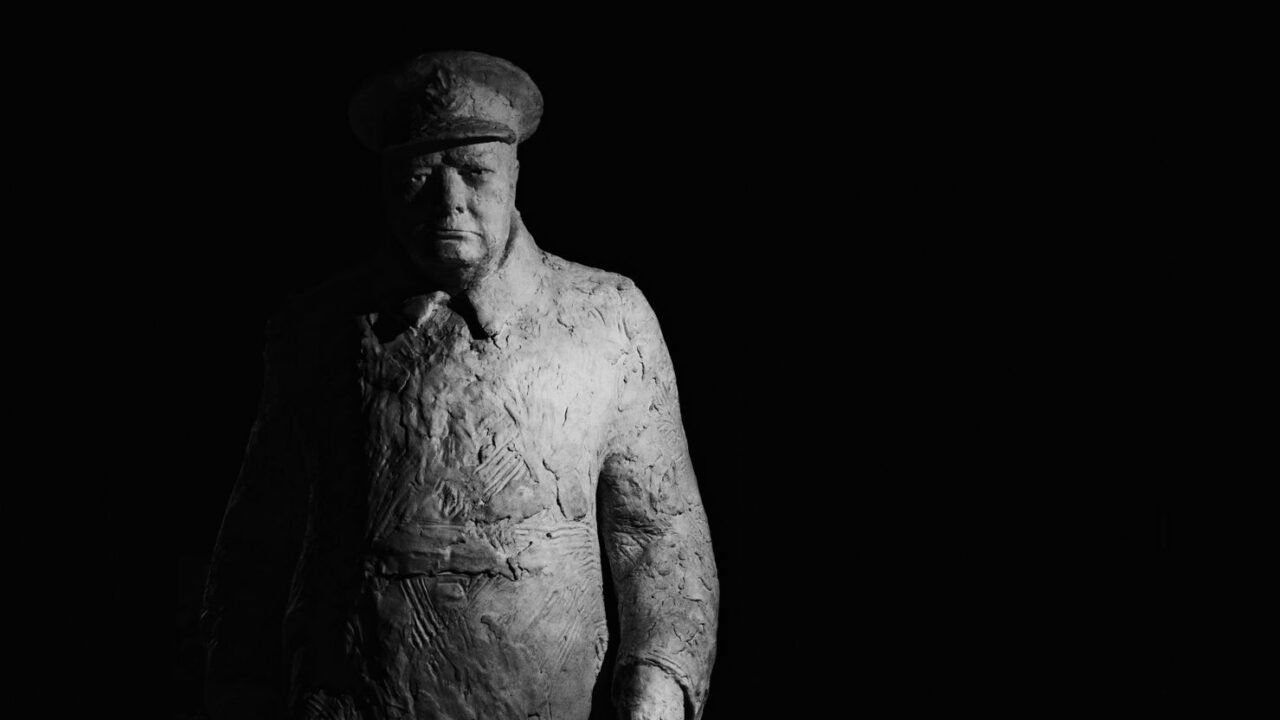
A prominent artist has removed their video installation from the National Portrait Gallery in London following a dispute over historical interpretations of Winston Churchill’s role in the 1943 Bengal famine. The controversy centers on the artwork’s alleged implication that Churchill was directly responsible for the deaths of millions during the devastating event.
The artist, whose name has not been widely disclosed in initial reports, reportedly cited concerns about the museum’s handling of the historical narrative presented in the installation. According to sources speaking to The New York Times, a historian and other individuals raised objections, asserting that the video installation had inaccurately placed blame on Winston Churchill for the famine. This contention has ignited a debate about historical accountability and the representation of complex colonial legacies within cultural institutions.
Information reaching Tahir Rihat suggests that the artwork in question, a video installation, was part of a larger exhibition exploring historical figures and their impact. The core of the disagreement lies in the interpretation of Churchill’s actions and policies during the period of the famine. While historical accounts vary, many scholars and commentators have pointed to a confluence of factors, including wartime policies, crop failures, and administrative decisions, that contributed to the catastrophe. However, the artist’s work, as interpreted by its critics, allegedly simplified this complex history into a direct causal link between Churchill and the famine’s death toll.
The National Portrait Gallery has not yet issued a comprehensive statement detailing its response to the artist’s decision or the specific nature of the historical dispute. However, the withdrawal of a significant artwork due to such a contentious issue highlights the ongoing sensitivity surrounding colonial history and its prominent figures. The gallery, like many cultural institutions worldwide, is increasingly navigating the challenges of presenting historical narratives that are subject to evolving scholarly understanding and public scrutiny.
Winston Churchill’s legacy remains a subject of intense debate, particularly concerning his premiership during World War II and the impact of British policies on its colonies. While lauded by many for his wartime leadership against Nazi Germany, his record on issues related to the British Empire, including the Bengal famine, has drawn considerable criticism. Historians have long debated the extent to which Churchill’s government could have intervened to mitigate the famine’s severity. Some argue that his administration’s policies, including the diversion of food supplies and a perceived lack of urgency, exacerbated the crisis. Others contend that the famine was a result of a complex interplay of natural and political factors, and that attributing sole responsibility to Churchill is an oversimplification.
The artist’s decision to withdraw their work underscores the power of art to provoke dialogue and the challenges faced by museums in curating exhibitions that engage with controversial historical figures. The National Portrait Gallery, by housing works that represent a wide spectrum of British history and its prominent figures, often finds itself at the nexus of these debates. The controversy surrounding the Churchill installation suggests a need for careful consideration of how historical narratives are presented and the potential impact on public perception and historical understanding.
The incident also raises broader questions about artistic freedom and the responsibility of cultural institutions to present accurate and nuanced historical accounts. As historical scholarship evolves and public awareness of colonial injustices grows, museums are increasingly expected to engage with these complex issues in a sensitive and informed manner. The dispute at the National Portrait Gallery serves as a case study in the challenges of balancing artistic expression with historical accuracy and the potential for such works to spark significant public and academic discussion.
The debate over Churchill’s role in the Bengal famine is not new, but the artist’s installation and subsequent withdrawal have brought it into sharp focus within the context of a major London art institution. This event is likely to prompt further examination of how historical figures are memorialized and interpreted in public spaces and cultural venues, particularly in light of contemporary understandings of colonialism and its enduring consequences.
The National Portrait Gallery’s collection includes numerous depictions of Churchill, reflecting his significant place in British history. However, the current controversy suggests that the interpretation and presentation of his legacy within the gallery’s programming can be a source of contention. The gallery’s engagement with such debates is crucial for its role as a space for historical reflection and public discourse.
The withdrawal of the artwork, while a specific incident, points to a wider trend of re-evaluating historical narratives and challenging established interpretations. As more historical research comes to light and societal perspectives shift, cultural institutions are increasingly being called upon to reflect these changes in their exhibitions and collections. The outcome of this particular dispute may influence how similar historical controversies are handled by other museums and galleries in the future.

Tahir Rihat (also known as Tahir Bilal) is an independent journalist, activist, and digital media professional from the Chenab Valley of Jammu and Kashmir, India. He is best known for his work as the Online Editor at The Chenab Times.



Leave a Reply