
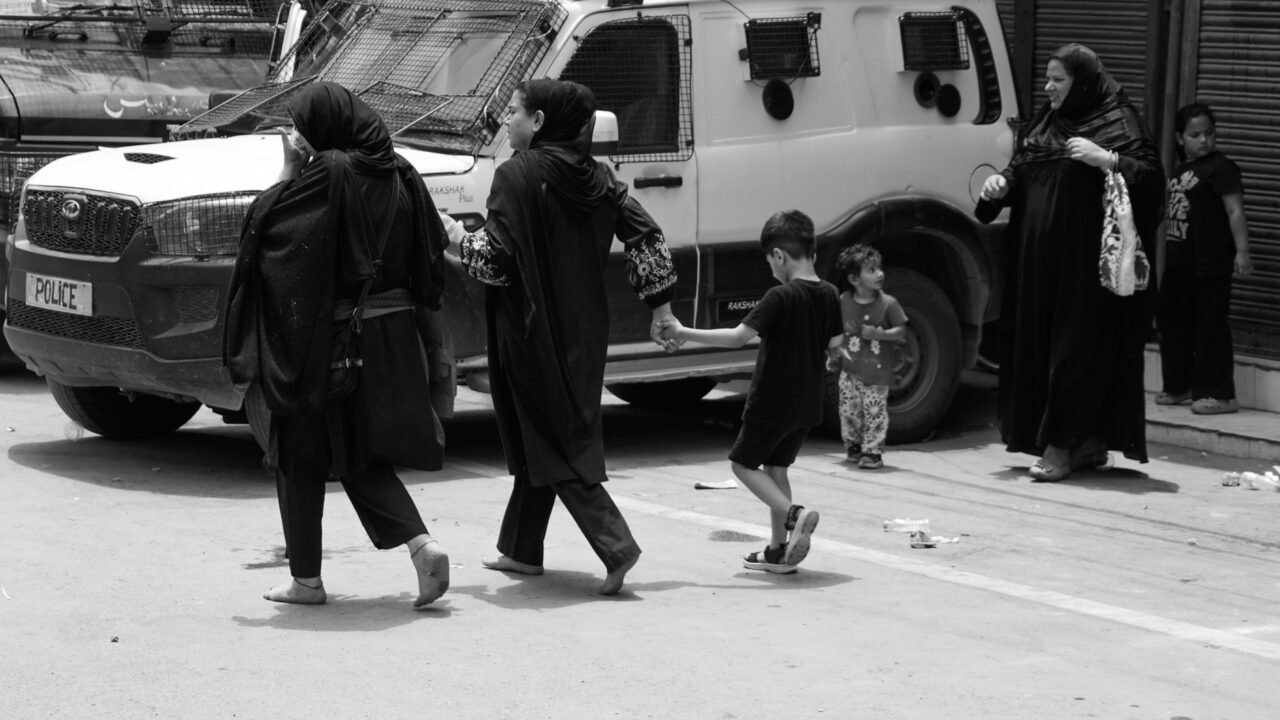
The Counter Intelligence Kashmir (CIK) wing of the Jammu and Kashmir Police conducted searches at five distinct locations across the Kashmir Valley on Saturday. These raids are part of an ongoing investigation into a case registered in 2023 under the stringent Unlawful Activities (Prevention) Act. The operation targeted properties in four districts: Baramulla, Anantnag, Shopian, and Bandipora, signaling a significant escalation in the counter-terrorism efforts within the region.
Information reaching Tahir Rihat suggests that the searches commenced in the early hours of Saturday morning. CIK personnel, operating under due legal procedure, were accompanied by independent witnesses during the extensive searches. The primary objective of these raids was to gather further evidence related to alleged terror-related activities, which reportedly include the online glorification of terrorism and efforts to recruit individuals into terrorist organizations. This specific FIR was previously the subject of raids by the CIK, indicating a sustained focus on the network involved.
During the course of the searches, CIK officials successfully recovered and seized a variety of materials. These included electronic devices, digital storage media, and other items deemed incriminating by the investigating agency. The seized items are slated for detailed forensic examination, a crucial step intended to further the investigation and potentially uncover more about the modus operandi and network of the individuals or groups under scrutiny. The agency has not yet confirmed whether any detentions were made in connection with these raids, as the operation was ongoing until late Saturday evening.
The legal framework under which the case is being investigated, specifically Sections 505 and 153-A of the Indian Penal Code (IPC) and Sections 13 and 18 of the Unlawful Activities (Prevention) Act (UAPA), highlights the severity of the alleged offenses. Section 505 of the IPC deals with statements conducing to public mischief, while Section 153-A addresses promoting enmity between different groups on grounds of religion, race, etc. The UAPA, a powerful anti-terror law, provides for the prohibition of unlawful activities and organizations, and for dealing with terrorist activities. The inclusion of these sections underscores the nature of the alleged terror-related activities, which appear to extend beyond physical acts of violence to include propaganda and recruitment efforts.
The Counter Intelligence Kashmir (CIK) has been actively engaged in combating terrorism and related activities in the Union Territory. Its operations often involve meticulous intelligence gathering and coordinated actions to dismantle terror networks. The current investigation, stemming from a 2023 case, points to a continuing threat that the security agencies are determined to address. The focus on online glorification and recruitment is a reflection of the evolving tactics employed by terrorist organizations, which increasingly leverage digital platforms to spread their ideology and attract new members. This approach necessitates a sophisticated and multi-pronged response from law enforcement agencies.
The geographical spread of the raids across Baramulla, Anantnag, Shopian, and Bandipora districts indicates that the investigation is not confined to a single area but is likely examining a wider network that may have operational links or influence across multiple regions of the Kashmir Valley. Such widespread operations are often indicative of a complex and interconnected web of individuals and activities that require a comprehensive approach to unravel. The recovery of electronic and digital evidence is particularly significant in modern counter-terrorism investigations, as it can provide crucial insights into communication patterns, financial transactions, and ideological motivations.
The legal procedures followed during the searches, including the presence of independent witnesses, are standard practice to ensure the integrity and admissibility of the seized evidence in court. The meticulous documentation and seizure of materials are vital for building a strong case against those involved in unlawful activities. The forensic examination of the recovered items will play a pivotal role in corroborating intelligence, identifying perpetrators, and understanding the full scope of the terror network being investigated.
The case registered at Police Station CIK, Srinagar, signifies the central role of this specialized unit in tackling terror-related offenses. The ongoing nature of the investigation and the continued raids suggest that the authorities are pursuing leads diligently and are committed to bringing all individuals involved in such activities to justice. The emphasis on online propaganda and recruitment also highlights the challenges faced by security forces in combating the ideological spread of terrorism, which can be as damaging as physical attacks.
The broader implications of these raids extend to the ongoing efforts to restore peace and normalcy in Jammu and Kashmir. By targeting terror-related activities, including those that involve ideological indoctrination and recruitment, the security forces aim to disrupt the cycle of violence and prevent future acts of terrorism. The success of such investigations is crucial for fostering a secure environment and encouraging socio-economic development in the region. The CIK’s proactive approach in pursuing cases registered under the UAPA demonstrates the government’s resolve to maintain law and order and counter any threats to national security.
The Unlawful Activities (Prevention) Act has been a cornerstone of India’s counter-terrorism framework, empowering agencies to take decisive action against individuals and organizations involved in activities deemed a threat to the sovereignty and integrity of the nation. The application of this act in the current case underscores the seriousness with which the authorities view the alleged terror-related activities. The investigation is expected to continue, with further developments anticipated as the forensic analysis of the seized materials progresses and additional leads are pursued.

Tahir Rihat (also known as Tahir Bilal) is an independent journalist, activist, and digital media professional from the Chenab Valley of Jammu and Kashmir, India. He is best known for his work as the Online Editor at The Chenab Times.


Leave a Reply