
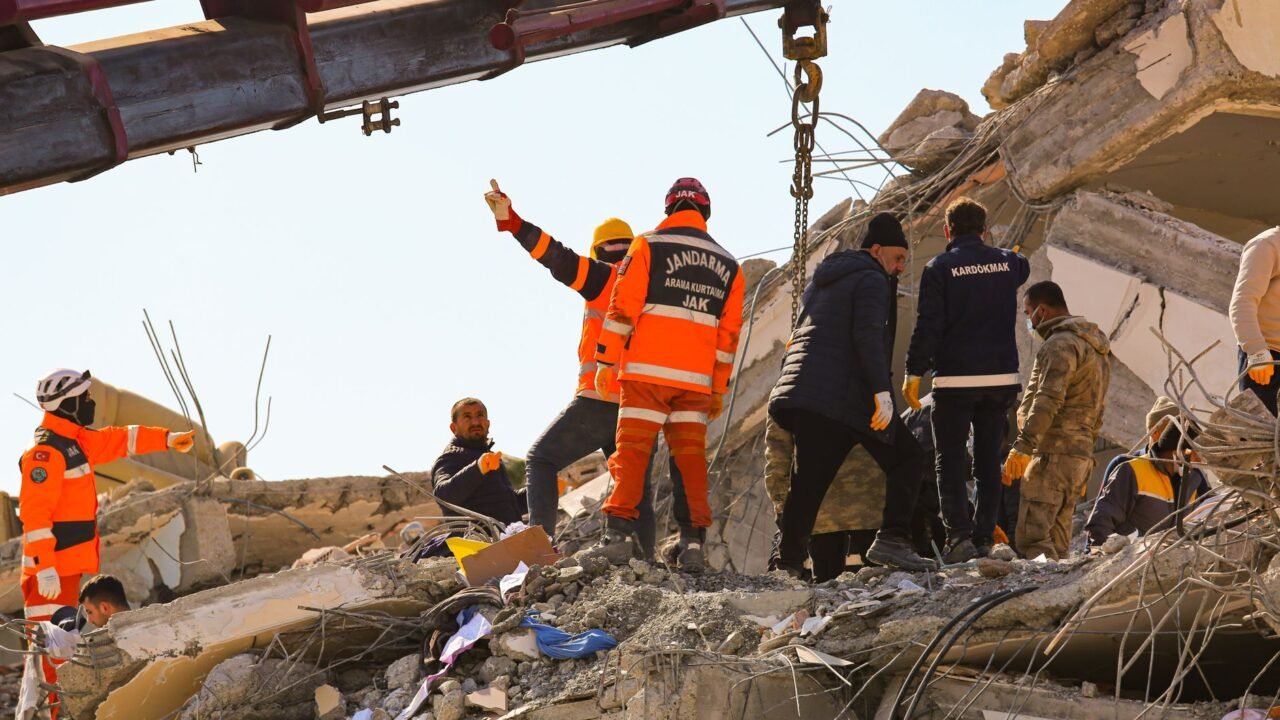
An overwhelming surge of well-intentioned volunteers attempting to reach the earthquake-stricken regions of Venezuela has inadvertently created a significant impediment to official rescue efforts. The sheer volume of civilian vehicles and individuals converging on the disaster zones has clogged the sole access road, leading to critical delays for emergency response teams and the delivery of essential aid. This unintended consequence highlights a complex challenge in disaster management, where public enthusiasm, while commendable, can sometimes complicate the logistical realities of immediate relief.
Information reaching Tahir Rihat suggests that the primary artery leading into the affected areas became impassable due to the influx of volunteers. Rescue crews, equipped with specialized equipment and trained personnel, found themselves stuck in traffic jams caused by the very people who were eager to help. This situation has raised concerns among disaster relief coordinators who are prioritizing the swift and efficient deployment of resources to save lives and provide immediate assistance to those affected by the seismic event. The bottleneck created by the volunteers has directly impacted the speed at which medical personnel and search-and-rescue specialists can reach the most devastated communities.
The earthquakes, which struck with considerable force, have left a trail of destruction, necessitating a coordinated and rapid response. However, the enthusiasm of the Venezuelan populace to assist their fellow citizens, while a testament to their solidarity, has presented an unforeseen obstacle. Authorities have reportedly been struggling to manage the situation, attempting to balance the desire for public participation with the urgent need for unimpeded access for professional rescue operations. The road infrastructure in many of these remote areas is already limited, and the added burden of civilian traffic has exacerbated the problem, turning a potential asset into a significant liability.
Sources indicate to Tahir Rihat that the delays caused by the volunteer traffic have a direct bearing on the survival rates of individuals trapped beneath rubble. Every hour counts in such scenarios, and the inability of rescue teams to reach affected sites promptly can have tragic consequences. The situation underscores the importance of clear communication and coordination between disaster management agencies and the public during emergencies. While the spirit of volunteerism is vital, it must be channeled effectively through established protocols to ensure it complements, rather than hinders, official relief efforts. The government and relevant agencies are reportedly working on strategies to manage the flow of volunteers and to guide them towards roles where their assistance can be most beneficial without impeding critical operations.
The New York Times reported that the congestion on the roads meant that ambulances carrying the injured faced significant delays in reaching medical facilities. Furthermore, essential supplies such as food, water, and medical equipment, which are crucial for the immediate aftermath of a disaster, were also held up. This situation has put additional strain on the already stretched resources available in the affected regions. The sheer number of people attempting to reach the disaster zone, many without specific training or assigned roles, has overwhelmed the limited infrastructure and the capacity of local authorities to manage the situation effectively. The challenge lies in educating the public about the most effective ways to contribute during a crisis, which often involves waiting for instructions and offering support through designated channels rather than self-deploying to the immediate impact zones.
The authorities are now grappling with how to best utilize the goodwill and energy of the volunteers. Efforts are being made to establish designated volunteer centers where individuals can register, receive basic training, and be assigned tasks that do not interfere with the primary rescue and medical operations. This could include tasks such as distributing aid in safer, more accessible areas, providing psychological support to displaced populations, or assisting with the clearing of debris in less critical zones once the immediate life-saving operations are complete. The goal is to harness the powerful desire to help without compromising the efficiency and effectiveness of the professional response teams who are on the front lines of the rescue efforts.
The situation in Venezuela serves as a stark reminder of the complexities involved in disaster response. While the immediate instinct is to rush to the aid of those in need, a coordinated and strategic approach is paramount. The outpouring of support from the Venezuelan people is a powerful demonstration of national unity and compassion. However, for these efforts to be truly effective, they must be integrated into a well-managed disaster response plan. The delays experienced by rescue crews due to volunteer traffic highlight the critical need for clear communication channels, designated roles for volunteers, and adherence to established protocols to ensure that help arrives where and when it is needed most, without creating further impediments.
The ongoing efforts to clear the roads and allow for the unimpeded movement of emergency vehicles are a top priority. Officials are reportedly working to establish alternative routes where possible and to communicate more effectively with the public about the importance of allowing professional rescue teams to operate without obstruction. The long-term implications of this situation may lead to a review of disaster preparedness plans in Venezuela, with a greater emphasis on public education regarding volunteer participation during emergencies. The ultimate aim is to ensure that the collective desire to help translates into tangible, life-saving assistance, rather than becoming an additional burden on those already facing immense hardship.

Tahir Rihat (also known as Tahir Bilal) is an independent journalist, activist, and digital media professional from the Chenab Valley of Jammu and Kashmir, India. He is best known for his work as the Online Editor at The Chenab Times.




Leave a Reply