
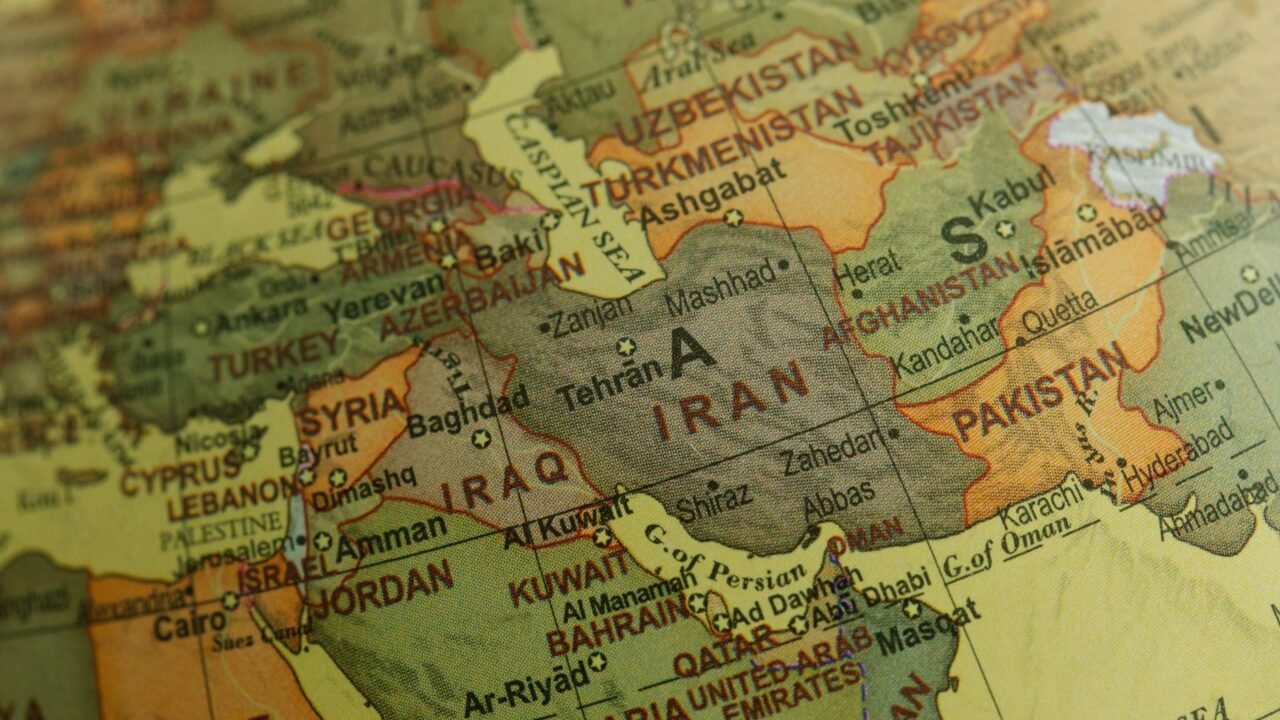
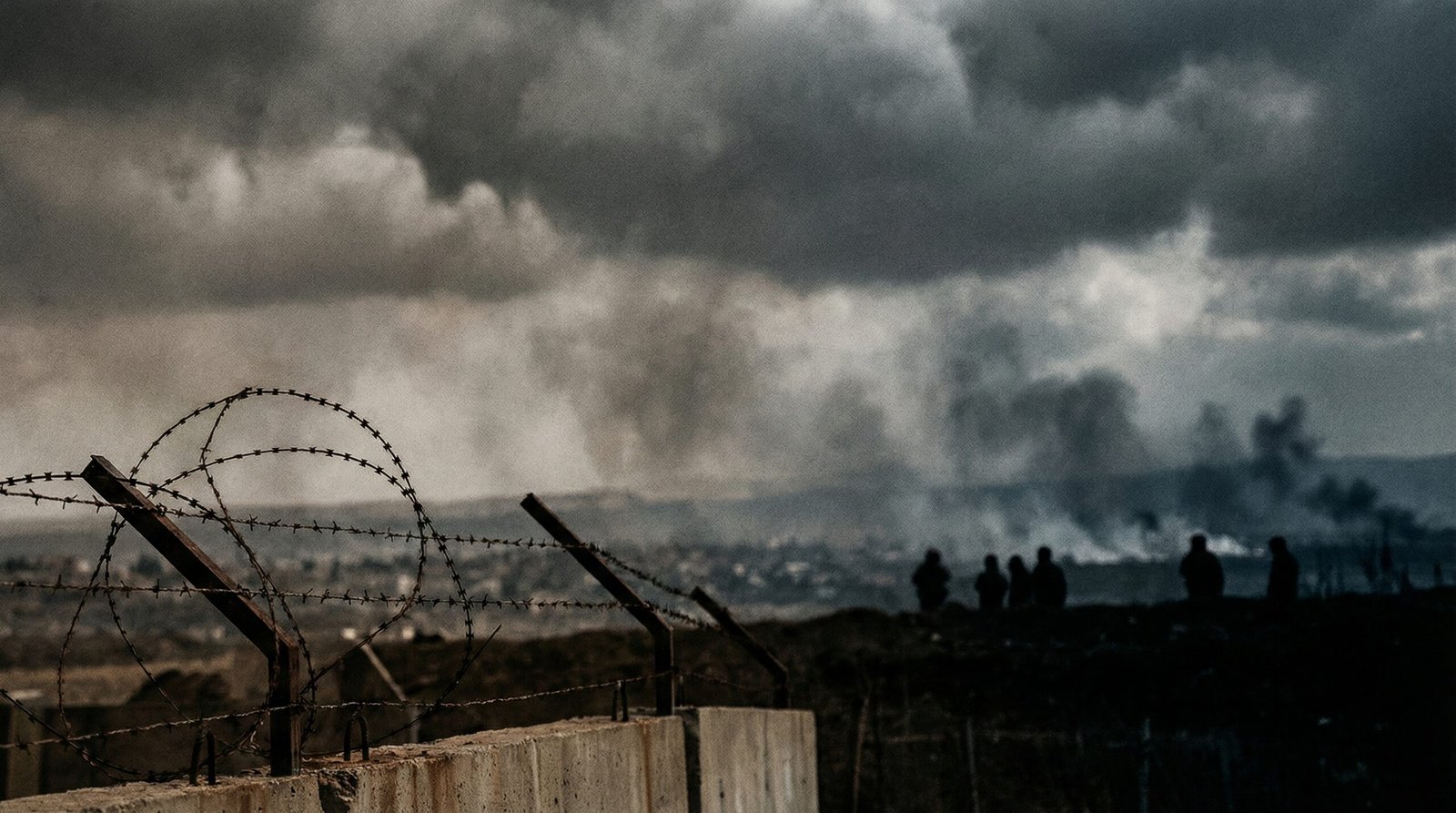
A series of airstrikes attributed to Pakistan in Afghanistan has resulted in a significant loss of civilian life, according to the Taliban administration. The strikes, which occurred on Sunday, have further inflamed a months-long conflict along the porous border between the two nations. The Taliban reported that 36 civilians were killed in the attacks, underscoring the escalating humanitarian cost of the ongoing hostilities. This incident marks a critical escalation in the already strained relations between Kabul and Islamabad, with both sides trading accusations and engaging in cross-border military actions.
Information reaching Tahir Rihat suggests that Pakistan, however, presented a different account of the operation, claiming that its forces targeted and killed 32 militants. This discrepancy in casualty figures highlights the deep mistrust and lack of transparency that characterizes the current security situation in the region. The Pakistani government has not officially commented on the specific details of the airstrikes, but the assertion of targeting militants points to a broader strategy aimed at combating what it perceives as threats emanating from Afghan soil. The ongoing conflict has raised concerns among international observers regarding regional stability and the potential for further destabilization in an already volatile area.
The border region between Pakistan and Afghanistan has long been a flashpoint, characterized by militant activity, smuggling, and frequent skirmishes. Pakistan has consistently accused Afghanistan of harboring militant groups that launch attacks within its territory, particularly in the Khyber Pakhtunkhwa province. The Taliban, in turn, has accused Pakistan of violating its sovereignty through cross-border operations. This latest incident is part of a pattern of escalating tensions that have seen an increase in both rhetoric and military action from both sides over the past several months. The civilian casualties reported by the Taliban are particularly concerning, raising questions about the precision and targeting of Pakistan’s military operations and the potential for collateral damage.
The implications of these strikes extend beyond the immediate casualties. They risk deepening the diplomatic rift between Pakistan and the Taliban-led government in Afghanistan, potentially complicating efforts to address shared security challenges. The international community has largely urged restraint from both nations, emphasizing the need for dialogue and de-escalation to prevent further bloodshed and instability. The economic and social fabric of the border communities, already fragile, is likely to be further strained by the ongoing conflict. The lack of a clear resolution mechanism or a robust framework for addressing cross-border security concerns leaves the region vulnerable to continued cycles of violence.
The Taliban administration has vowed to respond to what it terms as aggression, raising the specter of retaliatory actions that could further widen the conflict. The international community’s role in mediating this dispute and ensuring the protection of civilians remains crucial. The United Nations and various humanitarian organizations have expressed deep concern over the rising civilian casualties and have called for an immediate cessation of hostilities. The long-term consequences of this escalating conflict could include increased displacement of populations, disruption of trade routes, and a further deterioration of the already dire humanitarian situation in Afghanistan. The strategic importance of the region, coupled with the complex geopolitical dynamics, makes this a situation that warrants close international attention and proactive diplomatic engagement to prevent a wider conflagration.

Tahir Rihat (also known as Tahir Bilal) is an independent journalist, activist, and digital media professional from the Chenab Valley of Jammu and Kashmir, India. He is best known for his work as the Online Editor at The Chenab Times.


Leave a Reply