
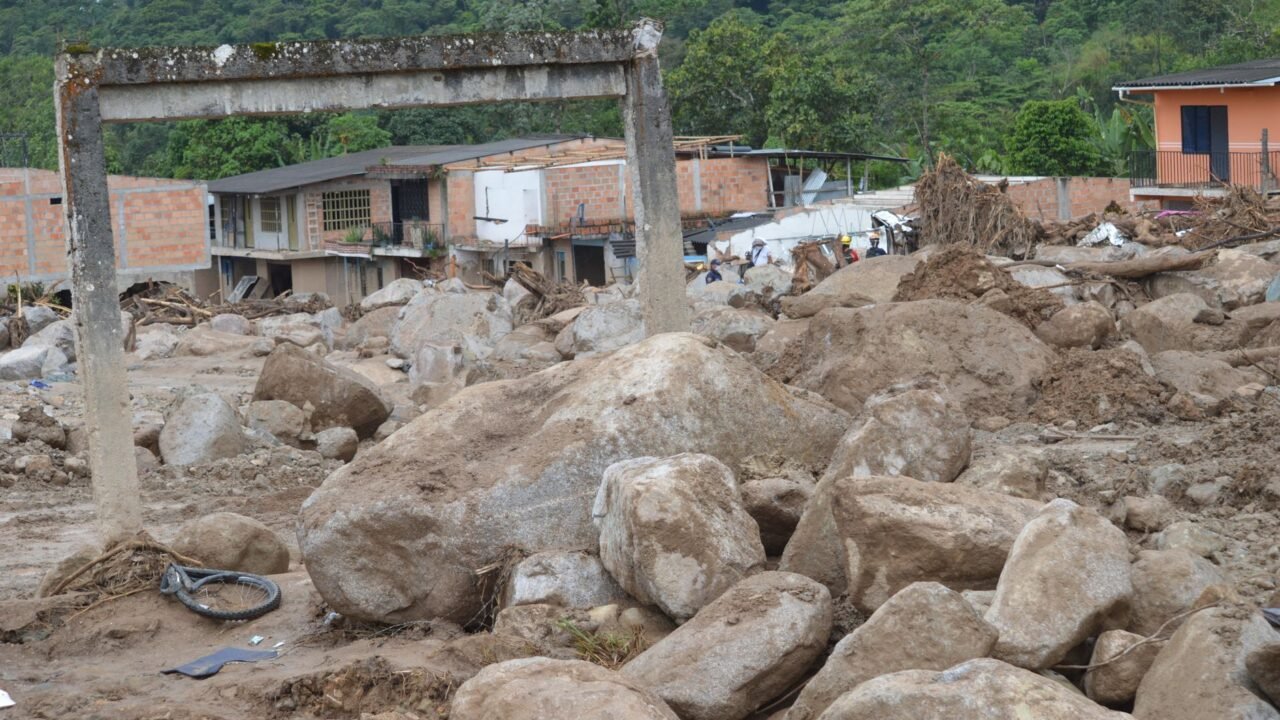
Following two devastating earthquakes that have struck Venezuela, a growing anticipation surrounds the potential role of the Trump administration in providing crucial assistance. The scale of destruction has prompted calls for international support, and attention is now turning towards the United States for a significant humanitarian response.
Information reaching Tahir Rihat suggests that the seismic events have left a considerable toll on infrastructure and communities across the affected regions. The immediate aftermath has been characterized by widespread damage, with emergency services working tirelessly to reach those in need. As rescue and relief operations commence, the need for substantial aid in terms of resources, medical supplies, and expertise has become paramount. The international community is observing closely, with many nations and organizations poised to offer support, but the specific actions of the U.S. under the current administration are of particular interest given past geopolitical dynamics.
The Trump administration has previously demonstrated a willingness to engage in international aid efforts, though its approach has often been marked by specific policy considerations. In the context of Venezuela, relations have been complex and often strained. However, humanitarian crises of this magnitude have historically transcended political divides, leading to bipartisan support for disaster relief. The coming days will be critical in determining the extent and nature of the U.S. commitment, which could involve direct financial assistance, the deployment of specialized search and rescue teams, or the provision of essential supplies. The effectiveness of any aid will depend not only on its volume but also on its timely delivery and efficient distribution to the most vulnerable populations impacted by the earthquakes.
The economic situation in Venezuela, already precarious, is likely to be further exacerbated by the natural disaster. The country’s capacity to manage such a crisis internally is severely tested, making external assistance indispensable. The international community’s response will be a key factor in mitigating the long-term consequences of the earthquakes, including displacement, food insecurity, and the rebuilding of damaged infrastructure. The United States, as a major global power, holds a significant capacity to influence the scale and speed of the recovery efforts. The administration’s decision-making process regarding aid to Venezuela will undoubtedly be closely scrutinized by both domestic and international observers, with expectations high for a compassionate and effective response to a nation in distress.
The tremors have not only caused physical damage but have also amplified existing humanitarian challenges. Reports from the ground indicate that access to clean water, shelter, and medical care are among the most pressing needs. The long-term recovery will require a sustained effort, involving not just immediate relief but also support for rebuilding homes, schools, and essential services. The international community’s role will be crucial in this protracted process, and the United States’ participation is often a significant determinant of the overall success of global humanitarian endeavors. The specific modalities of U.S. assistance, whether through governmental channels, collaboration with non-governmental organizations, or a combination thereof, will be closely watched.
The administration’s approach to foreign aid has often been characterized by a focus on specific outcomes and strategic interests. In the case of a natural disaster, the humanitarian imperative is typically the primary driver, but the geopolitical context cannot be entirely disregarded. The coming weeks will reveal the administration’s strategy for addressing this urgent crisis, balancing humanitarian concerns with broader foreign policy considerations. The impact of the earthquakes on Venezuela’s already fragile economy and social fabric is expected to be profound, necessitating a robust and coordinated international response. The expectations for U.S. involvement are therefore substantial, given its resources and global influence.
The seismic activity has underscored the vulnerability of Venezuela’s infrastructure to natural disasters. The rebuilding process will be a monumental task, requiring significant investment and international cooperation. The effectiveness of the aid provided will be measured not only by the immediate relief it offers but also by its contribution to long-term resilience and recovery. The global community’s solidarity in the face of such adversity is a testament to shared humanity, and the specific actions taken by powerful nations like the United States will play a pivotal role in shaping the future of the affected regions. The administration’s response will be a key indicator of its commitment to humanitarian principles in a challenging geopolitical landscape.
The earthquakes have brought into sharp focus the urgent need for humanitarian assistance in Venezuela. The scale of the disaster necessitates a coordinated and substantial international response, with significant expectations placed upon the United States. The administration’s approach to providing aid will be a critical factor in the recovery efforts, and its actions will be closely observed by the global community. The coming days and weeks will be crucial in determining the extent of U.S. involvement and its impact on the lives of those affected by this natural catastrophe. The administration’s commitment to humanitarian principles will be tested as it navigates the complexities of providing aid in a region with a history of political challenges.

Tahir Rihat (also known as Tahir Bilal) is an independent journalist, activist, and digital media professional from the Chenab Valley of Jammu and Kashmir, India. He is best known for his work as the Online Editor at The Chenab Times.
Leave a Reply