
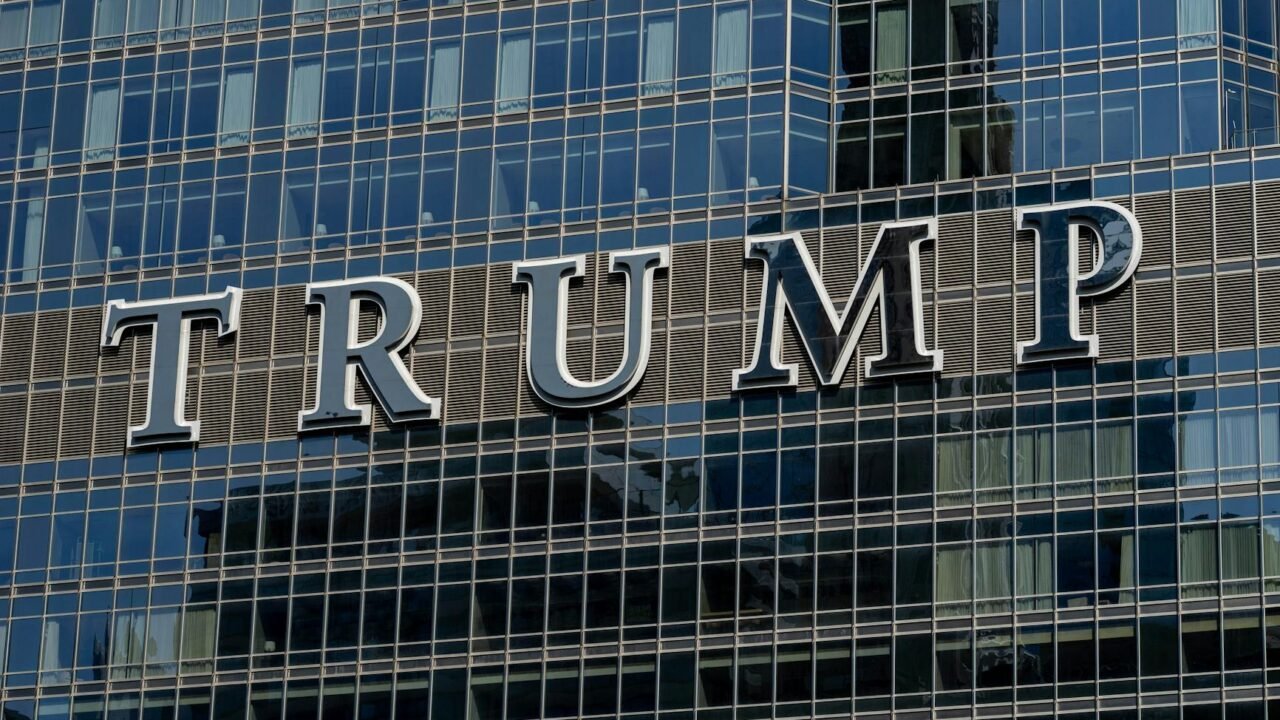
Beijing’s reception of President Trump upon his arrival in China was marked by the presence of a high-ranking vice president, a move that analysts suggest carries significant symbolic weight in the complex geopolitical calculus between the two global powers. While the official designation of the greeter might appear to be a matter of protocol, the choice of a ceremonial leader, rather than a more directly involved political figure, is being interpreted by observers as a deliberate message from Beijing. This nuanced approach suggests that China may be prioritizing substance over overt displays of deference, signaling a strategic recalibration in its engagement with the Trump administration.
Information reaching Tahir Rihat suggests that the selection of Vice President Li Yuanchao to greet President Trump was a calculated decision, intended to convey a specific message without overcommitting to a particular diplomatic posture. Li Yuanchao, a member of the Politburo, holds a significant position within the Chinese government, but his role is often more ceremonial than directly involved in day-to-day foreign policy negotiations. This distinction is crucial in understanding the underlying dynamics of the reception. By dispatching a high-ranking official who is not directly steering the most sensitive bilateral discussions, China appears to be signaling a desire to manage expectations and to avoid projecting an image of excessive eagerness or concession.
The implications of this diplomatic signaling are far-reaching, particularly in the context of the ongoing trade and security dialogues between the United States and China. The Trump administration has consistently pursued a policy of direct engagement and often employs assertive negotiation tactics. In this environment, China’s decision to opt for a more reserved, yet still high-level, reception could be interpreted as an attempt to set a particular tone for the upcoming discussions. It suggests a preference for a measured and strategic approach, where symbolic gestures are carefully weighed against tangible outcomes.
The choice of a vice president, while a clear indication of respect for the office of the U.S. President, also allows China to maintain a degree of strategic ambiguity. This approach enables Beijing to gauge the U.S. administration’s intentions and priorities without appearing to be overly accommodating or defensive. It is a diplomatic dance that involves subtle cues and unspoken messages, where the absence of certain overtures can be as significant as their presence. The New York Times reported that the selection of a ceremonial leader suggests China is trading symbolism for substance.
Furthermore, this diplomatic maneuver can be viewed within the broader context of China’s evolving foreign policy. As China’s global influence grows, its diplomatic strategies are becoming increasingly sophisticated. The nation is adept at leveraging its economic and political power to achieve its objectives, and its approach to international relations often involves a blend of assertive diplomacy and strategic patience. The reception of President Trump appears to be a manifestation of this evolving strategy, where symbolic gestures are employed with precision to convey specific messages to international counterparts.
The absence of a more senior political figure, such as a member of the Standing Committee of the Politburo or the Foreign Minister, from the immediate welcoming party, is a point of particular interest for diplomatic observers. While the Vice President’s presence is undeniably significant, the decision not to deploy the very highest echelons of leadership for the initial greeting could be interpreted as a signal that China is not seeking to curry favor or to engage in immediate, high-stakes negotiations at the airport tarmac. Instead, it suggests a preference for a more structured and deliberate engagement process, where key discussions will take place in more formal settings.
This approach also allows China to maintain leverage in future negotiations. By not appearing overly eager to please, Beijing can position itself to drive a harder bargain on issues of contention, such as trade imbalances, intellectual property rights, and regional security concerns. The subtle message conveyed by the reception is that China is a confident and capable global player, not one that is easily swayed by overt displays of power or diplomatic pressure. This strategic positioning is crucial for China as it navigates an increasingly complex international landscape.
The reception of President Trump is not an isolated event but rather a reflection of China’s broader diplomatic strategy in its engagement with the United States. The two nations are locked in a complex relationship characterized by both cooperation and competition. China’s approach to this relationship is multifaceted, involving a careful balancing of economic interdependence, strategic rivalry, and ideological differences. The diplomatic signals sent during President Trump’s arrival are a testament to this intricate balancing act.
In conclusion, the choice of a high-ranking vice president to greet President Trump upon his arrival in China, while a significant gesture, is being analyzed as a strategic move by Beijing to convey a message of measured engagement. This approach suggests a prioritization of substance over overt symbolism, signaling China’s intent to manage its relationship with the United States through deliberate and strategic diplomatic maneuvers. The implications of this nuanced reception will likely unfold in the subsequent discussions and negotiations between the two global powers.

Tahir Rihat (also known as Tahir Bilal) is an independent journalist, activist, and digital media professional from the Chenab Valley of Jammu and Kashmir, India. He is best known for his work as the Online Editor at The Chenab Times.



Leave a Reply