
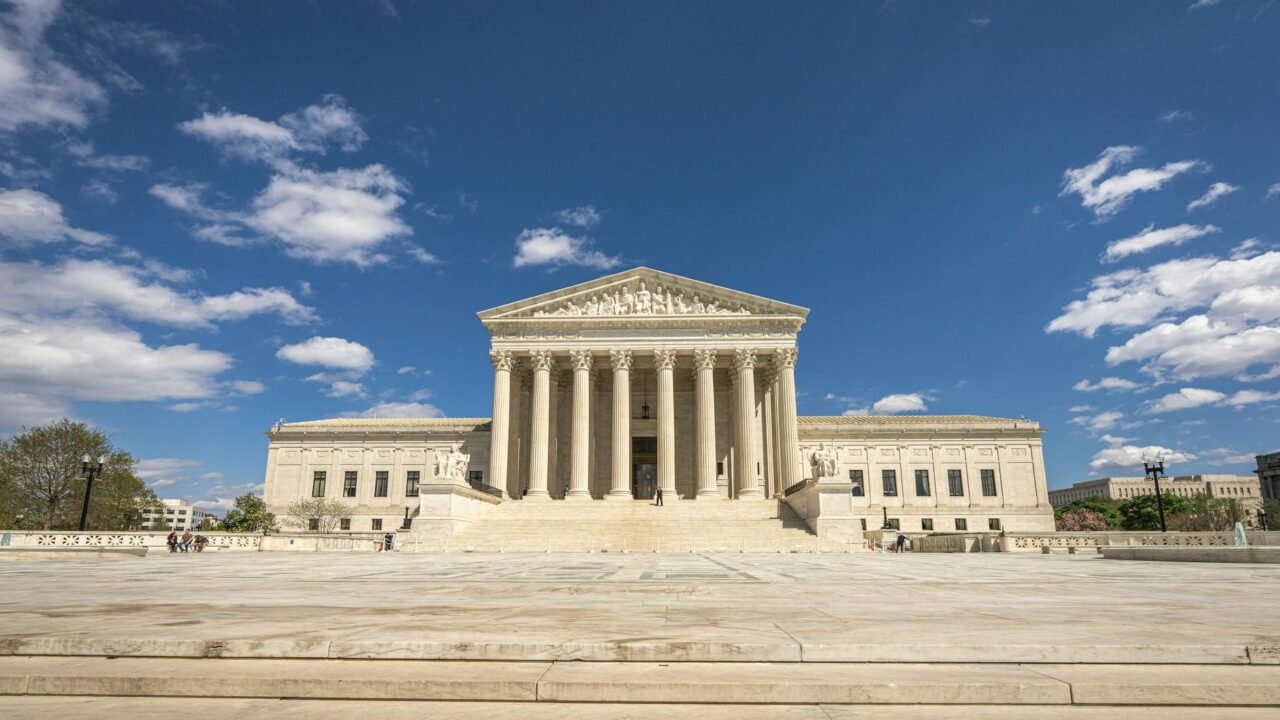
The Supreme Court has intervened in the highly publicized Unnao rape case, setting aside a previous order by the Delhi High Court that had suspended the life sentence of Kuldeep Singh Sengar, a former BJP MLA. The apex court has directed the High Court to re-evaluate the plea, ensuring a thorough and expedited review of the matter.
The decision, delivered by a bench comprising Chief Justice of India (CJI) Surya Kant and Justice Joymalya Bagchi, underscores the judiciary’s commitment to upholding justice and due process, even in cases that have garnered significant public attention. The Supreme Court has instructed the High Court to prioritize the matter, aiming to resolve Sengar’s primary appeal against his conviction and life imprisonment within the next two months. Information reaching TahirRihat.com suggests that, should the High Court find it impossible to conclude the main plea within the stipulated timeframe, it must then issue a separate order addressing Sengar’s request for suspension of his life sentence, before the commencement of the summer recess.
This is not the first time the Supreme Court has weighed in on this case. The bench previously annulled a High Court order that granted bail to Sengar, a decision that followed widespread public outcry. In its current directive, the Supreme Court explicitly stated that it would not express any personal opinion on the case’s merits, thereby allowing the High Court to conduct its review with impartiality and objectivity.
Furthermore, the CJI has instructed the High Court to re-examine key legal issues, including the critical question of whether a Member of the Legislative Assembly (MLA) can be legally classified as a public servant. This determination is crucial for prosecutions under the Protection of Children from Sexual Offences (POCSO) Act. The Supreme Court’s emphasis on this point reveals the judiciary’s concern for the precise interpretation and application of laws intended to protect vulnerable populations.
The Central Bureau of Investigation (CBI) had previously challenged the suspension of Sengar’s life imprisonment, leading the Supreme Court to defer hearings on the petition to the first week of May. The legal complexities surrounding the case are further highlighted by the top court’s stay, issued on December 29 of the previous year, which effectively prevented Sengar’s release from custody following the Delhi High Court’s initial order suspending his sentence.
The Delhi High Court’s order from December 23, 2025, had been based on the understanding that while Sengar was convicted under Section 5(C) of the POCSO Act, which deals with aggravated penetrative sexual assault by a public servant, an elected representative does not automatically meet the definition of a “public servant” as defined under Section 21 of the Indian Penal Code. (According to Daily Excelsior, the High Court had suspended the jail term of Sengar, who was serving life imprisonment in the Unnao rape case, till the pendency of his appeal, saying he had already served seven years and five months in prison.) This interpretation had been met with strong opposition from various segments of society, including the victim, her family, and numerous activists, who organized protests against the perceived leniency.
The Unnao rape case has been a source of intense public and media scrutiny, raising fundamental questions about justice, accountability, and the protection of victims of sexual violence. The Supreme Court’s latest intervention demonstrates the judiciary’s resolve to ensure that the case is handled with the utmost diligence and fairness, addressing both the legal and ethical dimensions of the matter. The renewed scrutiny by the High Court is expected to bring further clarity to the legal interpretations and potentially reshape the understanding of public servant definitions within the context of sexual offense cases.
The emphasis on an expedited resolution reflects an awareness of the emotional toll the protracted legal proceedings have had on all parties involved, especially the victim and her family. The Supreme Court is attempting to balance the rights of the accused with the need for a swift and just closure to this deeply troubling case.

Tahir Rihat (also known as Tahir Bilal) is an independent journalist, activist, and digital media professional from the Chenab Valley of Jammu and Kashmir, India. He is best known for his work as the Online Editor at The Chenab Times.




Leave a Reply