
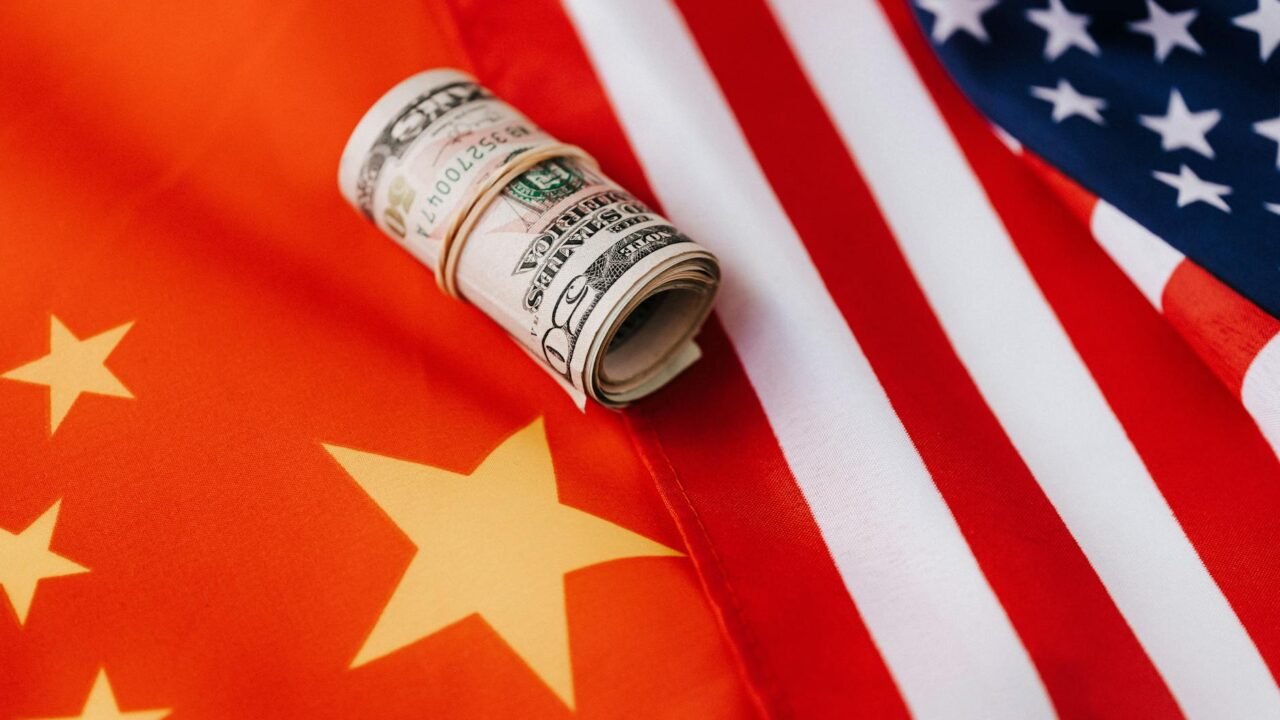
As President Donald Trump and Chinese leader Xi Jinping convened for crucial discussions, the United States indicated that Beijing was beginning to honor commitments made regarding increased agricultural and aviation purchases. This development signals a potential thaw in the protracted trade tensions that have characterized the relationship between the world’s two largest economies.
The U.S. Trade Representative’s office, in a statement that provided a glimmer of optimism amidst ongoing negotiations, asserted that China was starting to fulfill its promised obligations. Information reaching Tahir Rihat suggests that these commitments primarily revolve around significant expansions in China’s procurement of American farm goods and aircraft. The specifics of the timeline and the exact volume of these purchases remain subjects of ongoing dialogue, but the acknowledgment from the U.S. side points to a degree of progress, however incremental.
The context for these discussions is a period of intense scrutiny and negotiation over trade imbalances and market access. For months, the Trump administration has levied tariffs on a wide range of Chinese goods, prompting retaliatory measures from Beijing. This tit-for-tat escalation has sent ripples through global markets and raised concerns about a broader economic slowdown. The agricultural sector, in particular, has been a focal point, with American farmers experiencing significant disruptions to their exports to China due to the trade dispute.
The prospect of China increasing its purchases of U.S. farm products, such as soybeans and pork, is seen as a critical element in de-escalating the trade war. These sales are not only vital for the financial health of American agricultural producers but also represent a tangible outcome that the Trump administration can point to as a success in its trade negotiations. Similarly, commitments to buy more American-made airplanes from manufacturers like Boeing would have a substantial economic impact, supporting jobs and bolstering a key U.S. export industry.
Sources familiar with the trade talks, speaking on condition of anonymity, indicated that the U.S. administration views these initial steps by China as a positive sign, albeit one that requires sustained follow-through. The emphasis remains on ensuring that these promises translate into concrete actions that demonstrably reduce the bilateral trade deficit and create a more level playing field for American businesses operating in China. The U.S. Trade Representative’s office has been meticulously tracking China’s adherence to previous agreements, and this latest assessment suggests a shift from mere promises to demonstrable action.
The meetings between President Trump and President Xi are being closely watched by global economic leaders and financial markets. The outcome of these high-level engagements is expected to shape the trajectory of international trade for the foreseeable future. While the acknowledgment of China starting to fulfill its promises offers a degree of relief, the underlying structural issues that have fueled the trade friction, such as intellectual property protection and forced technology transfer, are still on the agenda and require more comprehensive solutions.
The U.S. has consistently argued that China’s trade practices have been unfair, leading to a significant trade deficit and hindering the growth of American industries. The administration’s strategy has involved a combination of tariffs, sanctions, and diplomatic pressure to compel Beijing to reform its economic policies. The current indications of China’s willingness to increase purchases are seen by some as a direct response to this sustained pressure, while others view it as a strategic move to manage the ongoing trade dispute without conceding on more fundamental policy changes.
The agricultural sector, in particular, has been a casualty of the trade war, with Chinese tariffs making American products more expensive and leading buyers to seek alternative suppliers. The potential for renewed and expanded purchases of these goods could provide a much-needed boost to American farmers who have faced significant financial hardship. The U.S. Department of Agriculture has been monitoring the situation closely, and any increase in exports would be a welcome development.
Similarly, the aerospace industry, a cornerstone of American manufacturing, stands to benefit from increased Chinese orders. The demand for new aircraft in China has been robust, driven by its expanding middle class and growing air travel market. Securing a larger share of this market for U.S. manufacturers is a key objective for the administration. The U.S. Trade Representative’s office has been vocal about the need for fair competition in this sector, and any commitments from China to increase purchases are viewed as a step in the right direction.
However, the long-term implications of these developments remain to be seen. The U.S. administration has stressed that it will continue to monitor China’s actions closely and hold Beijing accountable for its commitments. The success of these trade talks will ultimately be measured by their ability to foster a more balanced and sustainable trade relationship between the two nations, addressing not only immediate purchase agreements but also the deeper systemic issues that have contributed to trade tensions.
The ongoing dialogue between the two leaders is a complex dance of economic interests and geopolitical considerations. While the current signals suggest a willingness from China to make concessions in specific areas, the broader trade landscape is still subject to significant uncertainties. The coming weeks and months will be crucial in determining whether these initial steps represent a genuine turning point in the U.S.-China trade relationship or a temporary reprieve in an ongoing economic contest.

Tahir Rihat (also known as Tahir Bilal) is an independent journalist, activist, and digital media professional from the Chenab Valley of Jammu and Kashmir, India. He is best known for his work as the Online Editor at The Chenab Times.





Leave a Reply